The Berlin Wall: symbol of division and hope
The Berlin Wall stands as a powerful symbol of division and hope, marking the ideological split during the Cold War. Built in 1961, it separated East and West Berlin until its fall in 1989, which heralded a new era of freedom and unity. The wall influenced culture through art and music, and its legacy reminds us of the importance of overcoming barriers. Today, remnants of the wall serve as memorials, inspiring reflection on the pursuit of peace and understanding across divides.
Berlin Wall isn’t just concrete and barbed wire. It stands as a profound symbol of division, intertwining history and hope. Can you imagine a world that was once split?
Introduction to the Berlin Wall
The Berlin Wall was more than just a barrier. It split a city and symbolized the divide between East and West. Built in 1961, it stood for nearly thirty years. This wall changed lives and stories forever.
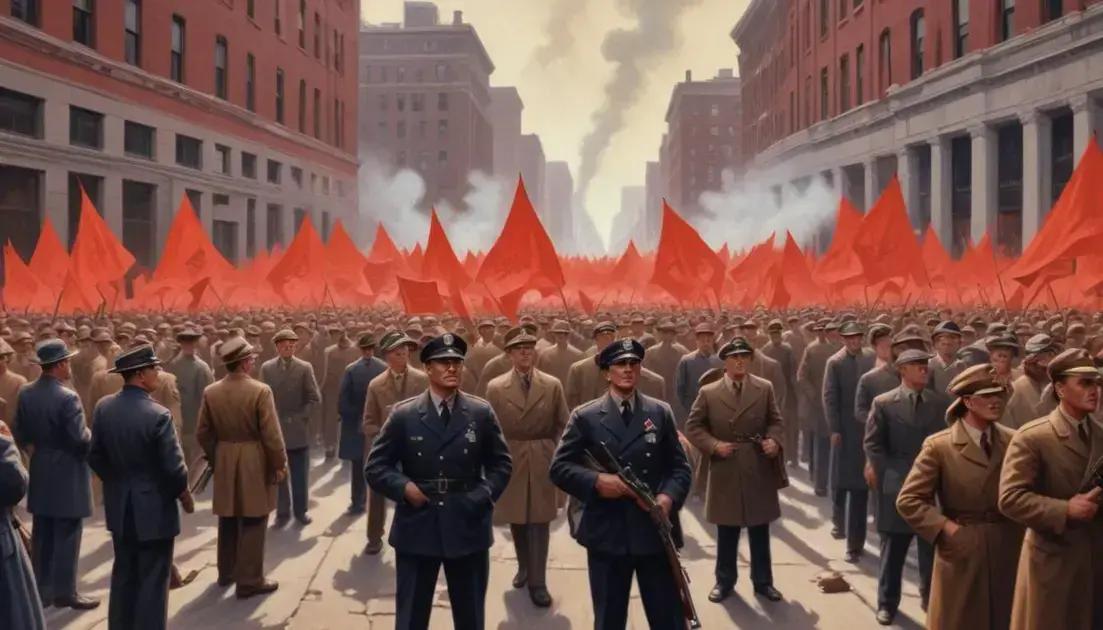
Many people saw it as a prison. Friends and families were separated overnight. The wall became a strong symbol of the Cold War. It showed the clash between two different worlds: capitalism in the West and communism in the East.
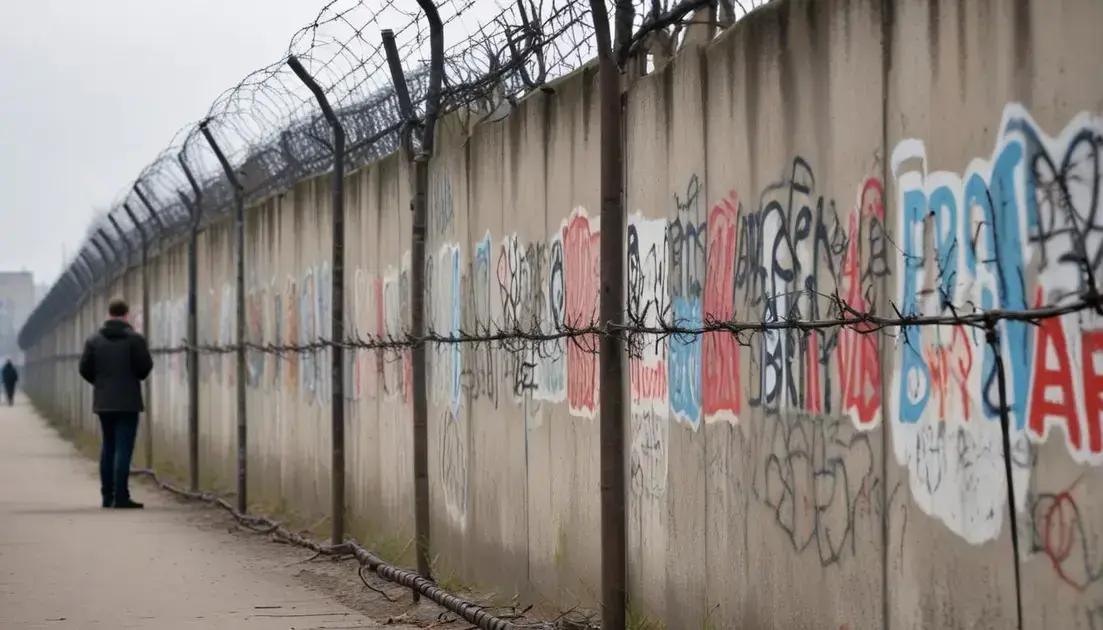
At its height, the wall was around 12 feet tall. It had guard towers and a no man’s land in between. This place was dangerous. People tried to escape, but many were caught or lost their lives.
The fall of the Berlin Wall in 1989 was a powerful moment. It was a sign of hope and change. People celebrated in the streets, tearing the wall down piece by piece. This act was a step towards unity and freedom.
Today, the Berlin Wall still teaches us important lessons about division and hope. It’s a reminder of the past and a symbol of a future where barriers can be broken.
Historical Context
To understand the Berlin Wall, we need to look back at history. After World War II, Germany was split into two parts. The East was controlled by the Soviet Union, while the West became democratic. This division created tension.
The Cold War started during this time. It was a struggle between two ideas: communism and capitalism. The East wanted a system where the state controlled everything. The West believed in free markets and individual rights.
In 1949, East Germany was formed. Many people wanted to escape to the West for better opportunities. To stop this, the East built the Berlin Wall in 1961. This wall aimed to keep people from leaving.
Throughout the years, the wall symbolized oppression. Guards watched closely, and many tried to flee. Some succeeded, but others faced harsh consequences. The wall became a powerful icon of the Cold War.
As the years passed, movements for freedom grew. In the 1980s, people in East Germany began to demand change. Protests became more common, and finally, the wall fell in 1989. This event marked the end of an era.
The Fall of the Wall
The fall of the Berlin Wall in 1989 was a momentous event. It marked the end of division in Germany and represented hope for freedom. In East Germany, people had grown tired of oppression. They wanted change and a chance to live freely.
In the late 1980s, protests erupted across East Germany. Citizens demanded more rights and the ability to travel. These protests gained momentum. Many East Germans believed that the wall had to come down.
The atmosphere was charged with energy. On November 9, 1989, a government spokesperson mistakenly announced that borders would open. People rushed to the wall in excitement. Guards, surprised by the crowds, opened the gates.
People from both East and West Berlin gathered to celebrate. They climbed the wall, danced, and cheered. This scene was a powerful symbol of unity. The wall that once divided them was now crumbling.
After the fall, crowds began to chip away at the wall. Each piece removed represented freedom and a new chapter in history. The event moved people worldwide. It was a sign that barriers could be broken and communities could come together.
This historic fall paved the way for reunification. On October 3, 1990, Germany officially became one nation again. The Berlin Wall now stands as a reminder of resilience and the quest for freedom.
Cultural Impact
The Berlin Wall had a huge cultural impact on both sides of the divide. It influenced art, music, and community expressions. After its construction, the wall became a canvas for graffiti and street art. Artists used it to express their views on freedom and oppression.
Musicians also found inspiration in the wall’s story. Songs about the Berlin Wall highlighted struggles and hopes. They reached people around the world, reminding them of the desire for unity. Many international artists came to perform in Berlin, further bridging cultures.
The wall affected how people viewed borders and division. It sparked discussions about human rights and freedom. People saw the wall as a powerful tool of separation. Its fall brought hope for a new era of connection and understanding.
Cultural festivals and events grew in popularity after the wall fell. People from different backgrounds celebrated together. They shared traditions, food, and stories. These gatherings promoted healing and unity in a once-divided city.
Today, the Berlin Wall still serves as a symbol. It reminds us of the importance of connection, culture, and shared humanity. The legacy of the wall lives on in art, music, and community.
Legacy and Reflection
The legacy of the Berlin Wall is felt even today. This powerful symbol of division teaches us important lessons about freedom and unity. After its fall, people reflected on the wall’s impact. Many understood that walls should not divide us.
Some pieces of the wall remain as memorials. They serve as reminders of the struggles people faced. Visitors come from all over the world to see them. These sites help people learn about the past and appreciate freedom.
Books, movies, and documentaries have explored the Berlin Wall’s history. They show how it affected lives on both sides. This storytelling keeps the memories alive for future generations.
Cities around the world have learned from the Berlin Wall’s story. They emphasize the need for dialogue and understanding. The wall reminds us that people can come together despite differences.
As we move forward, it’s vital to remember the lessons of the Berlin Wall. Embracing diversity and building connections makes for a stronger world. The wall may be gone, but its lessons continue to inspire hope for a united future.
Conclusion
In conclusion, the story of the Berlin Wall reminds us of the power of unity and hope. Its legacy teaches us valuable lessons about freedom and the importance of breaking down barriers. As we look back, we see how far we’ve come and how much we can achieve together.
The fall of the wall showed that change is possible. It brought joy and a sense of possibility to many people. Today, we must continue to learn from this history and ensure that divisions do not define our future.
By embracing diversity and celebrating our connections, we create a stronger world. The Berlin Wall may be gone, but its message continues to inspire us. Let’s work together to build a future where everyone can thrive in freedom and unity.
Tags: