The Bill of Rights and the fight for liberty
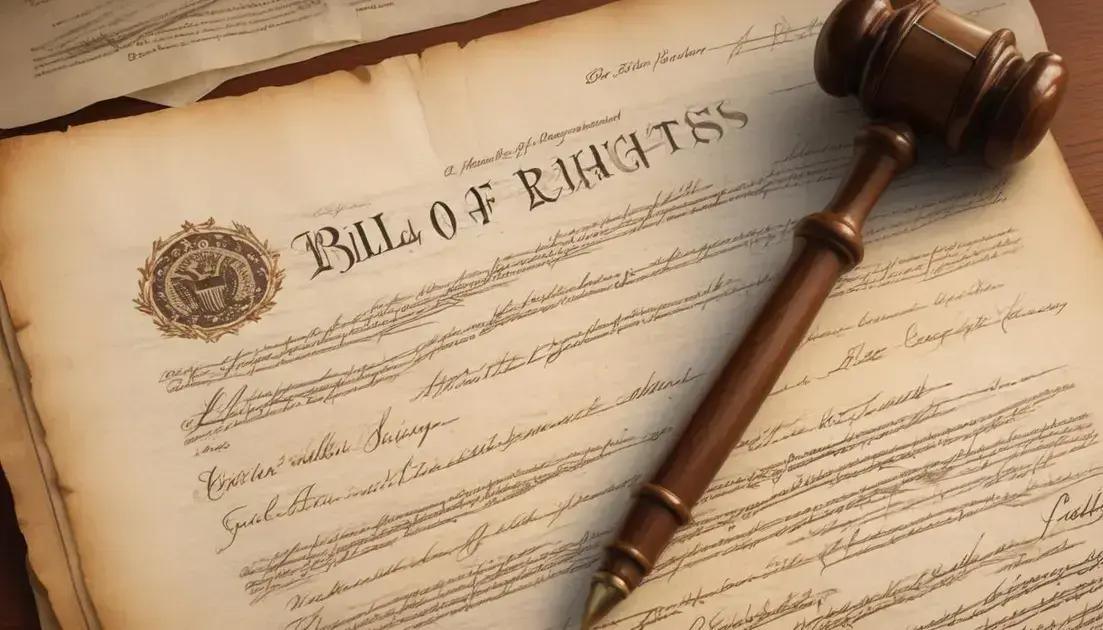
The Bill of Rights consists of the first ten amendments to the U.S. Constitution, ensuring fundamental freedoms such as speech, religion, and the right to bear arms. These amendments were crafted to protect citizens from government overreach, reflecting the ongoing struggle for civil rights. Key interpretations by the courts have evolved, allowing the Bill of Rights to adapt to modern issues like digital privacy. Historical and contemporary movements continue to advocate for equal rights, emphasizing the importance of activism in safeguarding liberties for all Americans.
The Bill of Rights is more than just a list of amendments; it represents the struggle for personal freedom in America. Want to dive deeper into this pivotal document?
Understanding the Bill of Rights
The Bill of Rights is a crucial part of American democracy. It includes the first ten amendments to the Constitution. These amendments protect essential freedoms and rights for individuals.
Why It Matters
Understanding the Bill of Rights is important because it lays the foundation for civil liberties in the U.S. It safeguards your rights to speak freely, practice your religion, and assemble peacefully.
The Amendments Explained
Each amendment covers specific rights and freedoms. The First Amendment, for example, protects your freedom of speech and press. The Second Amendment allows you to bear arms.
Historical Context
The Bill of Rights was introduced in 1791. Many people wanted a document that would guarantee their freedoms. This demand led to the addition of these amendments.
Impact on Society
The Bill of Rights influences daily life in America. It encourages people to stand up for their rights. Without it, freedom as we know it might look very different.
In today’s world, the Bill of Rights continues to be relevant. It is often referenced in legal cases and discussions about personal liberties.
The historical context of the amendments
The Bill of Rights came about because people wanted their freedoms secured. After the American Revolution, many felt a need for clear protections against government overreach.
Why the Amendments Were Created
Many people worried that the new government could become too powerful. They wanted guarantees that their rights would be safe. The Founding Fathers listened to these concerns.
Debates and Discussions
During the Constitutional Convention in 1787, the absence of a bill of rights was a hot topic. Some leaders believed a bill wasn’t necessary, while others strongly disagreed.
The Role of Key Figures
Individuals like James Madison were essential in crafting the amendments. Madison initially opposed the idea but later became a strong supporter. He believed these rights were crucial for democracy.
The Ratification Process
When the Constitution was ratified, many states demanded a Bill of Rights. They wanted these guarantees before fully embracing the new government. In 1791, the first ten amendments were adopted.
This process marked a significant moment in U.S. history. It ensured that the rights of individuals were preserved for generations to come.
Key amendments that protected liberties
The Bill of Rights includes several key amendments that protect our liberties. These amendments are essential in ensuring personal freedoms and limiting government power.
First Amendment
The First Amendment protects your freedom of speech, religion, press, assembly, and petition. It allows you to express yourself without fear of government punishment.
Second Amendment
The Second Amendment gives you the right to bear arms. This means you can own weapons for self-defense and other lawful purposes.
Fourth Amendment
The Fourth Amendment guards against unreasonable searches and seizures. It requires law enforcement to obtain a warrant based on probable cause.
Fifth Amendment
The Fifth Amendment ensures that you cannot be tried for the same crime twice, known as double jeopardy. It also protects against self-incrimination, meaning you don’t have to testify against yourself.
Eighth Amendment
The Eighth Amendment prohibits excessive bail and cruel and unusual punishment. This means punishments should be fair and not torturous.
These amendments work together to create a foundation for individual rights in America. They empower citizens to challenge unfair laws and protect their freedoms.
Recent interpretations and their implications
Recent interpretations of the Bill of Rights have shaped our understanding of personal freedoms. Courts often examine these amendments in new contexts.
Living Document
The Bill of Rights is seen as a living document. This means it can adapt to changes in society and technology. Courts consider what these rights mean today.
Key Supreme Court Cases
Several important Supreme Court cases have clarified rights under the Bill of Rights. For example, New York Times Co. v. Sullivan set a new standard for freedom of speech. It protected publishers against defamation claims when the statements weren’t made with actual malice.
Impact of Technology
As technology evolves, so do interpretations. Issues like privacy and surveillance are now hot topics. The Fourth Amendment is often discussed in relation to digital privacy.
Future Implications
Future interpretations may further expand or limit these rights. Ongoing debates in courts and society will influence how we understand our freedoms.
Ultimately, these interpretations play a key role in protecting individual rights and shaping American values.
The ongoing struggle for civil rights
The ongoing struggle for civil rights is rooted in the promises of the Bill of Rights. Even today, many groups fight for their freedoms.
Historical Background
The fight for civil rights began long before the Bill of Rights was adopted. It continued through key movements like the abolition of slavery and women’s suffrage.
Modern Civil Rights Movements
Today, various movements aim to protect and expand rights for all. Groups advocate for racial equality, LGBTQ+ rights, and disability rights. Each of these movements seeks to address injustices and promote fairness.
Legal Challenges
Legal battles often arise in civil rights issues. Courts frequently rule on cases that challenge laws seen as unfair. These rulings impact how rights are understood and protected.
The Role of Activism
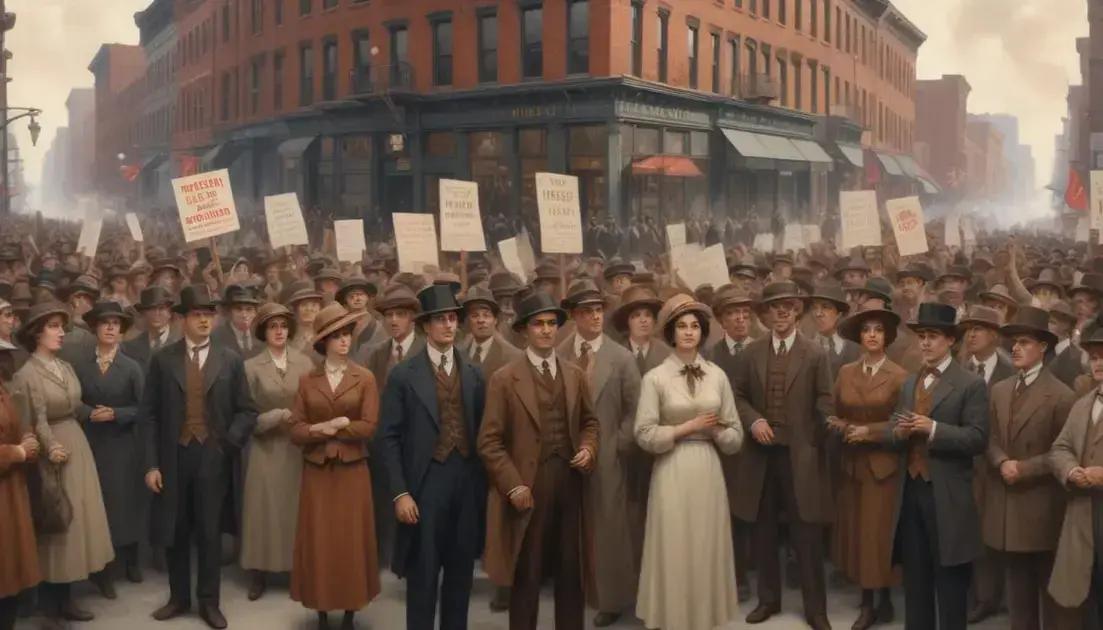
Activism is essential in the civil rights struggle. People speak out, organize protests, and work to raise awareness. Social media has made it easier to connect and mobilize support.
While progress has been made, the fight continues. Many believe in building a society where everyone enjoys equal rights and freedoms.
Conclusion
In conclusion, understanding the Bill of Rights is key to knowing your freedoms. These amendments have shaped American history and continue to influence our lives today. The ongoing struggle for civil rights shows that there’s more work to be done. Activism, legal battles, and education are all important in this fight.
As we reflect on these issues, it’s clear that everyone’s rights matter. By staying informed and involved, we can all play a part in protecting our freedoms. The Bill of Rights is not just a historical document; it is a living promise of liberty for every American.