The business of war: global arms trade since 1945
The evolving landscape of military economics is influenced by significant trends such as increased investment in advanced technologies like drones and artificial intelligence. Cyber defense is becoming more crucial due to rising digital threats, while the privatization of military services is on the rise. Emerging economies are reshaping the global arms trade, potentially shifting the balance of power. Additionally, there is a growing emphasis on sustainability within military operations, as nations seek eco-friendly practices. Understanding these trends is essential for grasping future defense strategies and international relations.
Arms Trade is a multifaceted issue that intertwines politics, economics, and ethics. Have you ever wondered how conflicts reshape global economies and influence political landscapes? Let’s explore!
The Evolution of the Arms Trade
The evolution of the arms trade has a long history. It began well before the major wars of the 20th century. Arms were made in small quantities and traded locally. But things changed quickly. With more conflicts, countries began to produce weapons on a large scale.
Early Days of Arms Trade
In ancient times, arms like swords and spears were crafted by blacksmiths. These weapons were traded between tribes and nations. As societies grew, so did the demand for better arms. This led to advancements in weapon-making.
World Wars and Mass Production
The World Wars changed everything. Countries ramped up production to meet the needs of soldiers. Factories churned out weapons, from rifles to tanks. This set the stage for the global arms trade we see today.
Cold War Era
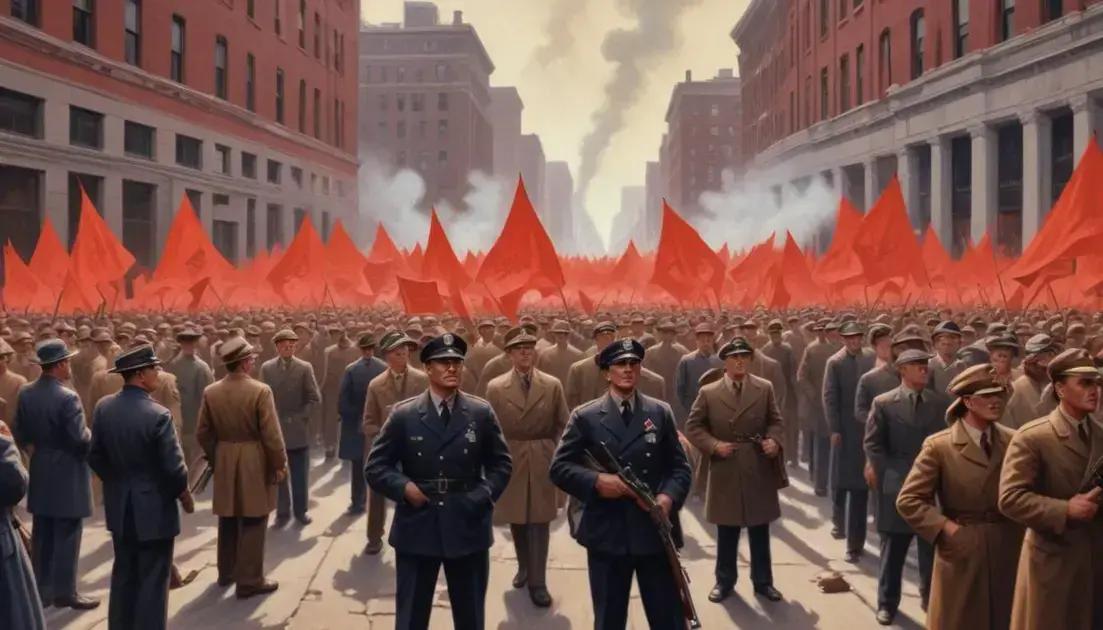
During the Cold War, arms trade expanded significantly. The U.S. and the Soviet Union supplied weapons to allies around the world. This not only helped countries with military support but also created strong economic ties. Weapons sales became a huge part of politics.
Modern Arms Trade
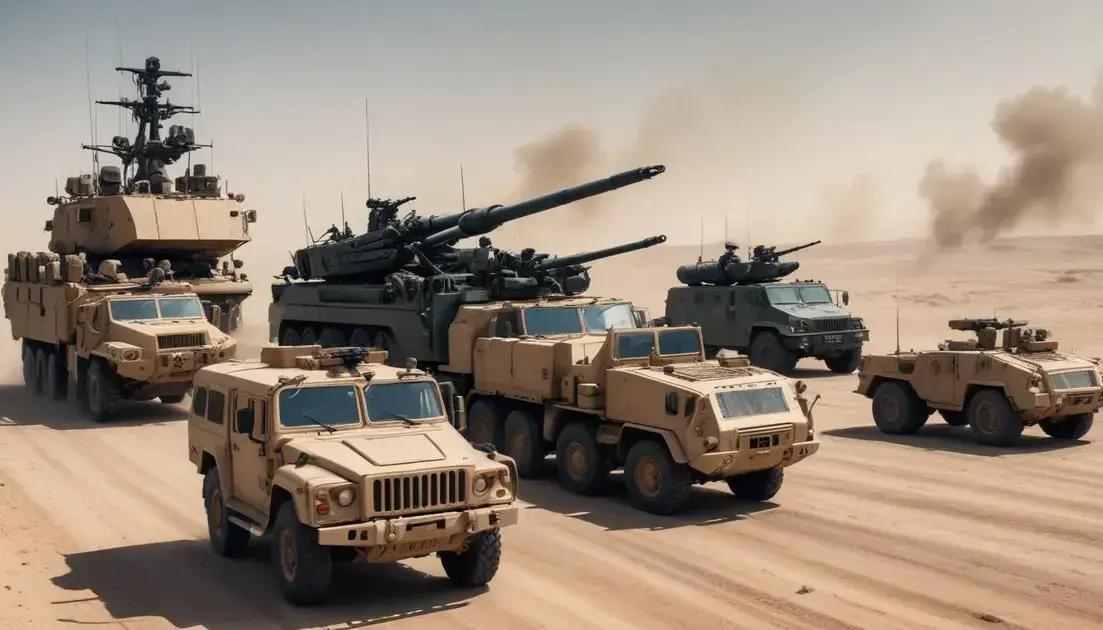
Today, the arms trade is a billion-dollar industry. Nations continue to buy and sell weapons for various reasons, including security and defense. It’s not just a matter of military strength; it’s also about power and influence.
New technologies are changing the landscape. Drones and cyber weapons are becoming more common. This means the arms trade is always evolving to meet modern needs.
As we look to the future, it’s clear that the arms trade will continue to shape global politics. Understanding this evolution helps us grasp the complexities of modern conflicts and international relationships.
Key Players in the Industry
The arms trade industry has many key players, both companies and countries. These players shape how weapons are made, sold, and used. Understanding them helps us see the big picture.
Major Arms Manufacturers
Several large companies dominate the market. Companies like Lockheed Martin, Boeing, and Northrop Grumman are at the forefront. They produce advanced weapons, from fighter jets to missile systems.
Government Influence
National governments play a big role too. They set policies that can boost or limit arms sales. For example, the U.S. often exports weapons to allies for defense purposes.
International Organizations
Organizations such as the United Nations help monitor the arms trade. They work to ensure that weapons aren’t used in harmful ways. Their goal is to promote peace and security around the world.
Emerging Players
New players are entering the market, including countries like China and Russia. They are expanding their production and sales. This can shift the balance of power in global politics.
Private security firms are also rising in importance. These companies provide armed protection and also sell military services. This adds a new layer to the industry.
Understanding the key players in the arms trade helps us analyze its impact. Each player influences how conflicts unfold and how nations relate to each other.
The Impact of Conflict on Global Politics
Conflicts can change the course of global politics in many ways. They can create new alliances or break old ones. Understanding this impact is crucial for grasping world events.
Shifts in Power
When conflicts arise, power dynamics shift. Nations can gain or lose influence rapidly. For example, a country that wins a war may gain territory and resources. This makes them stronger on the world stage.
Arms Trade Influence
The arms trade plays a big part in conflicts. Countries often supply weapons to allies. This aids in their defense but can also escalate tensions. A well-armed nation may feel more confident in its military actions.
Economic Consequences
Conflicts can damage economies. War disrupts trade and drives up costs. Countries involved in fighting may face sanctions that hurt their economies. This can lead to poverty and long-term struggles.
Humanitarian Issues
Conflicts lead to serious humanitarian crises. People are displaced, and basic needs go unmet. International organizations often step in to provide assistance. However, these efforts can be complicated by ongoing tensions.
Global Reactions
How countries react to conflicts varies. Some may call for peace talks while others support one side. These reactions can affect global politics for years to come. It often leads to new policies and alliances.
Overall, understanding the impact of conflict on global politics helps us make sense of the world. Each conflict shapes the future of international relations in different ways.
Evolving Technologies in Warfare
Evolving technologies in warfare are changing how battles are fought. New tools and methods are constantly being developed. These advancements can make conflicts more complex and unpredictable.
Drone Warfare
Drones are one of the biggest changes in modern warfare. They can fly high and gather data without putting pilots at risk. Drones are used for surveillance and targeted strikes. This allows for precise attacks without deploying ground troops.
Cyber Warfare
Cyber warfare is becoming essential in conflicts. Nations can attack each other’s computer systems. This can cause major disruptions, such as shutting down power grids or stealing sensitive information. Protecting digital infrastructure is now a priority for many countries.
Artificial Intelligence
Artificial intelligence (AI) is also making waves. AI can analyze data quickly and make decisions faster than humans. It’s being used in everything from missile guidance systems to predictive maintenance for military equipment. This helps keep the military one step ahead.
Robotics and Automation
Robotics are playing a larger role too. Robots can handle dangerous tasks, like bomb disposal or reconnaissance missions. This keeps soldiers safe while increasing efficiency on the battlefield.
Advanced Weapons Systems
New weapons systems are more accurate and deadly. Technologies like hypervelocity projectiles and smart bombs have changed how conflicts are fought. They can hit targets with high precision, reducing collateral damage.
Understanding these evolving technologies is vital for grasping how warfare is changing. Each innovation impacts strategies and outcomes in conflicts worldwide.
Future Trends in Military Economics
Future trends in military economics are likely to shape how nations approach defense and warfare. As technology continues to evolve, the economics of military operations will change.
Increased Investment in Technology
One major trend is increased spending on advanced technologies. Countries will invest more in tools like artificial intelligence and drones. These technologies can make military operations faster and more efficient.
Focus on Cyber Defense
With the rise of cyber threats, military budgets will prioritize cyber defense. Protecting computer systems from attacks will become a top need. This shift means more resources will go to securing digital infrastructure.
Privatization of Military Services
The privatization of military services will grow. More countries may hire private companies for logistics and support roles. This can reduce costs but also raises questions about accountability.
Global Arms Trade Dynamics
The global arms trade will keep evolving. Emerging economies will play a bigger role in arms production. As they gain power, the traditional balance in the arms market may shift.
Emphasis on Sustainability
Many nations will start considering sustainability in military economics. There will be a push for more eco-friendly practices. This may include using renewable energy sources for military operations.
Understanding these trends is essential for anticipating future conflicts and military strategies. Each development will impact how nations interact in the global landscape.
Conclusion
In conclusion, the future of military economics will be shaped by various key trends. Investing in advanced technology like drones and artificial intelligence will be crucial for nations. As cyber threats grow, enhancing cyber defense will also become a top priority.
Moreover, the rise of private military services could change how defense operations are managed. With emerging economies gaining power in the global arms trade, the balance may shift, making international relations more dynamic.
A focus on sustainability will be important as well. As military organizations seek eco-friendly practices, they can reduce their impact on the environment. By staying aware of these trends, nations can better prepare for the challenges ahead in international security.