The Civil Rights Movement: equality through struggle
The Civil Rights Movement was a crucial time in American history, driven by a relentless pursuit of equality and justice for African Americans. Key events like the Montgomery Bus Boycott and the March on Washington, along with influential figures such as Martin Luther King Jr. and Rosa Parks, played vital roles in shaping the movement. Important legislation, including the Civil Rights Act of 1964 and the Voting Rights Act of 1965, addressed systemic discrimination. Although significant progress has been made, ongoing struggles for equality continue today, highlighting the importance of activism and legislation in achieving civil rights for all.
The Civil Rights Movement marked an extraordinary time in American history—a time where individuals rallied together for justice and equality. Are we still feeling the impact today? Let’s dive into this important topic.
The origins of the Civil Rights Movement
The origins of the Civil Rights Movement can be traced back to the early 20th century. African Americans faced extreme discrimination, segregation, and violence. This led to a growing desire for change and equality.
One significant event was the formation of the National Association for the Advancement of Colored People (NAACP) in 1909. This group worked tirelessly to fight for civil rights through legal challenges and campaigns.
Another important moment was the Great Migration. Many African Americans moved from the rural South to urban areas in the North. This shift brought new opportunities but also highlighted the widespread racism that still existed.
In the 1940s, World War II played a crucial role. African Americans served in the military and fought for freedom abroad, while facing oppression at home. This contradiction sparked a stronger push for civil rights.
With figures like Rosa Parks and Martin Luther King Jr. emerging, the movement began to gain traction. Their courage inspired many others to join the fight for justice. By the 1950s, civil rights protests started to take shape across the nation, laying the groundwork for future actions and legislation.
Key events and figures
The key events and figures of the Civil Rights Movement shaped its course and impact. One of the earliest milestones was the Montgomery Bus Boycott in 1955. This event was sparked by Rosa Parks’ refusal to give up her seat. Her brave act led to a citywide boycott of public buses.
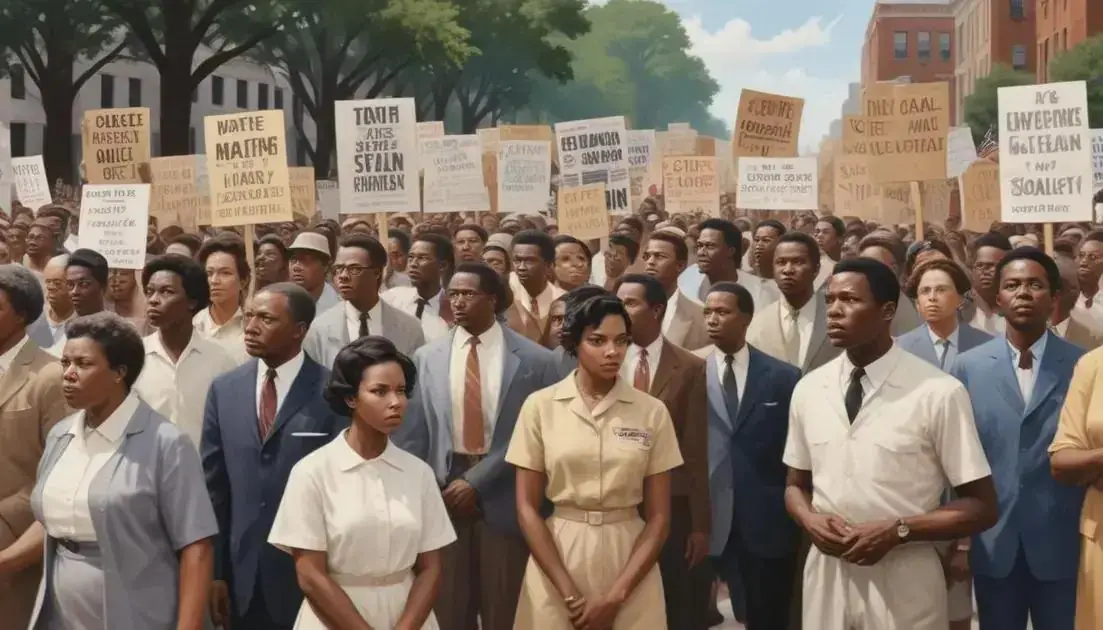
Another major moment was the March on Washington in 1963. This gathering attracted over 250,000 people. It was here that Martin Luther King Jr. delivered his famous “I Have a Dream” speech. His words inspired many to join the fight for equality.
The Civil Rights Act of 1964 was a significant legislative victory. It banned discrimination based on race, color, religion, sex, or national origin. This law marked a turning point for civil rights in America.
Key figures like Malcolm X also played vital roles. He advocated for Black empowerment and self-defense. His ideas offered a different perspective on the struggle for equality.
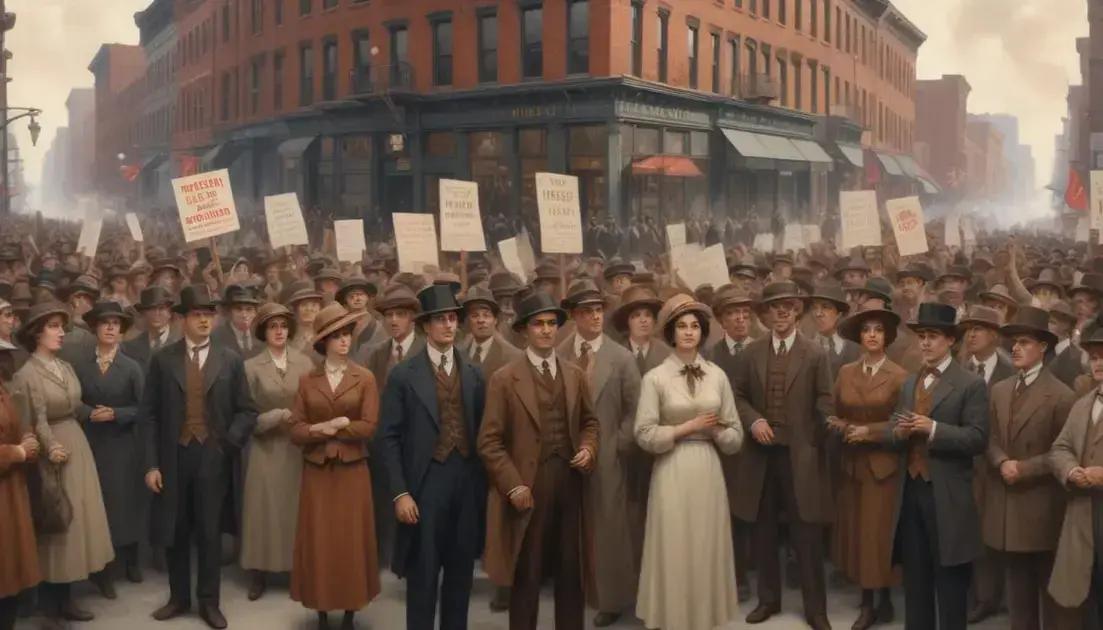
Throughout the 1960s, protests, and demonstrations continued. Events like the Selma to Montgomery marches highlighted the demand for voting rights. These marches led to the Voting Rights Act of 1965, which aimed to eliminate barriers to voting.
Each event and figure contributed to the momentum of the movement. Together, they formed a tapestry of struggle and hope. These histories remind us of the ongoing fight for civil rights today.
The impact of legislation
The impact of legislation on the Civil Rights Movement was profound and far-reaching. Laws played a key role in fighting discrimination. One of the most significant laws was the Civil Rights Act of 1964.
This act prohibited discrimination in many areas. It targeted employment, education, and public accommodations. This law was a major victory for civil rights activists.
Another critical law was the Voting Rights Act of 1965. This law aimed to eliminate barriers to voting, like literacy tests and poll taxes. These barriers had kept many African Americans from voting.
Legislation also addressed the housing market. The Fair Housing Act of 1968 made it illegal to discriminate in housing. This was important in the fight for equal access to homes.
These laws came from years of activism and struggle. They laid the groundwork for a more equal society. Legislation helped change attitudes and opened doors to new opportunities.
While laws brought significant progress, challenges still exist today. Ongoing efforts are needed to ensure that the spirit of these laws is upheld. Understanding this history helps us see the importance of fighting for equality now.
Continuing struggles for equality
The continuing struggles for equality show that the fight is far from over. Despite progress, many challenges persist today. Activists still work hard to combat discrimination.
Issues like voting rights remain critical. Some laws try to create barriers. Groups are pushing back by organizing protests and grassroots campaigns.
Another struggle is for racial equality in education. Many schools are still segregated by housing patterns and in funding. This affects the quality of education for many students.
Furthermore, police brutality has become a pressing concern. Movements like Black Lives Matter aim to address these issues head-on. They raise awareness and demand justice for victims of violence.
Additionally, immigrants and marginalized communities face discrimination too. It’s important to recognize their struggles as part of the broader fight for civil rights and human rights.
Today’s activists continue to draw inspiration from the past. They use social media to reach wider audiences and connect people. This modern approach keeps the conversation going and rallies support from new generations.
Our work isn’t done. We must keep fighting for a just and equal society for everyone. Each effort, no matter how small, can help to create change.
Conclusion
In conclusion, the journey of the Civil Rights Movement has shown us the power of unity and perseverance. While progress has been made, the struggles for equality continue today. It’s important to remember the key events and figures that shaped this history.
Through legislation, we see how laws can bring about change. Yet, many issues need ongoing attention, like voting rights and racial equality. Activists today pick up the torch, fighting for justice and fairness for all people.
As we move forward, we must stay committed to the ideals of equality and justice. Every effort matters, and together we can create a better future.