The Cold War’s quiet ending: who really won?
The fall of the Berlin Wall marked a significant turning point in world politics, leading to shifts in alliances, the rise of new democracies, and changes in the global economy. Key lessons from the Cold War include the importance of diplomacy, understanding diverse perspectives, and the value of unity in overcoming global challenges. These insights remain relevant today as nations work together to address issues like climate change and promote peace.
The **Cold War** was more than just a series of confrontations; it reshaped nations. Ever wondered who really came out on top when the wall fell? Let’s dig deeper!
Introduction
The Cold War shaped much of the 20th century. It was a time of tension and rivalry between superpowers. Many people felt the effects in their daily lives. From leaders to ordinary citizens, everyone had a role during these years.
The Superpowers and Their Ideologies
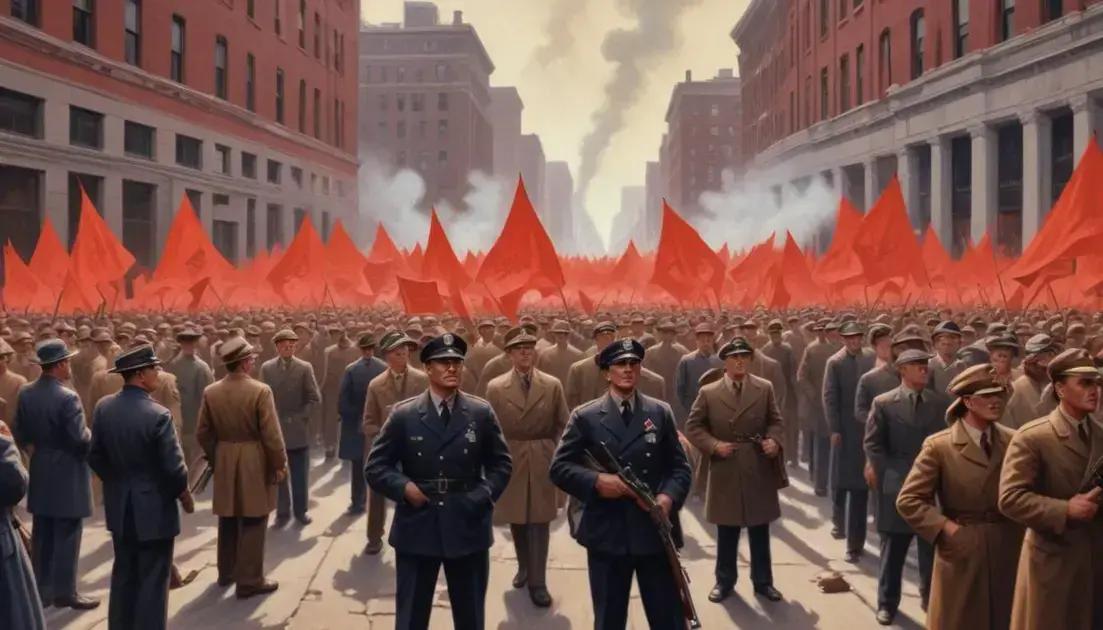
The United States and the Soviet Union led the Cold War. Each country believed in different systems. The US promoted capitalism, while the Soviet Union supported communism. These paths created debates and conflicts on many fronts.
The Role of the Berlin Wall
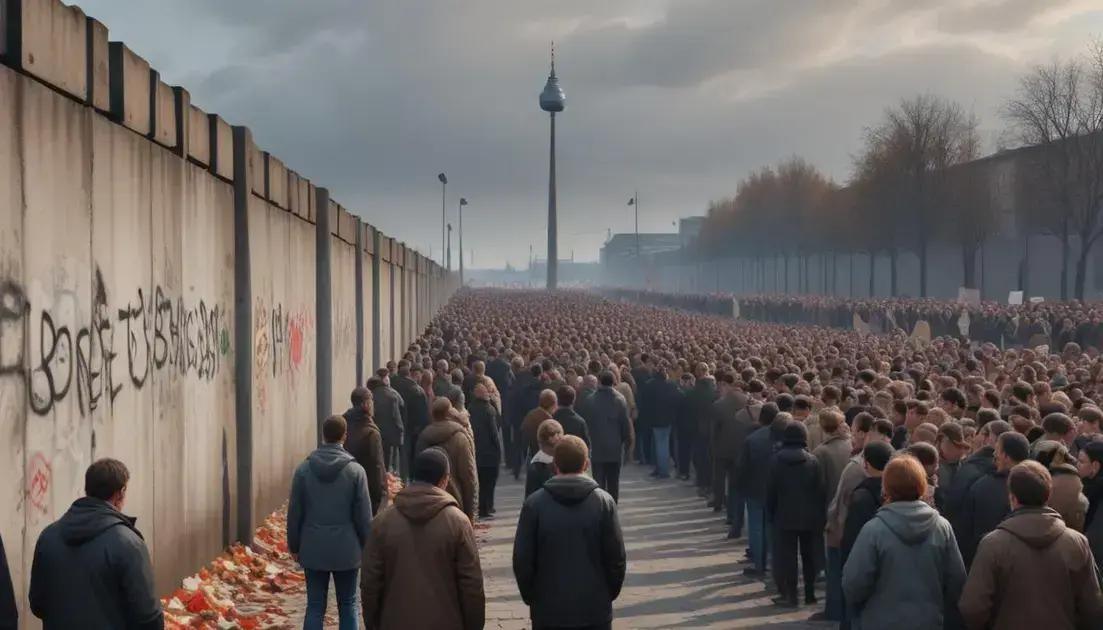
The Berlin Wall became a symbol of this division. It divided East and West Berlin. Families were torn apart overnight. People lived with fear, and dreams became a struggle.
Global Impact
Countries around the world were caught in the middle. Some supported the US, while others looked to the Soviet Union. Events like the Cuban Missile Crisis showed just how close the world came to disaster.
Despite the tension, there were movements for peace and unity. Citizens yearned for freedom and connection across the divide. These dreams sparked events that would change history.
The geopolitical climate before the wall
Before the wall went up, the world faced huge tension. The Cold War created rivalries between nations. The United States and the Soviet Union led the charge. Every move was watched closely by the other side.
The Arms Race
One big issue was the arms race. Both superpowers built up their weapons. They wanted to show strength and power to the world. This caused endless fear and uncertainty for many.
Global Alliances
Countries chose sides, forming alliances. NATO stood for the US and its partners. The Warsaw Pact was for the Soviet Union and its allies. These groups created a divide in global politics.
Regional Conflicts
Tensions spilled over into regional conflicts. Places like Korea and Vietnam became battlegrounds. These wars weren’t just local; they echoed the larger Cold War struggle. Many nations found themselves caught in the middle.
People felt the effects every day. Propaganda poured in from both sides. Each side painted a picture of the other as evil. This made it hard for anyone to see the truth.
The impact of the wall’s fall on world politics
The fall of the Berlin Wall was a turning point in history. It marked the end of a long divide between East and West. This event changed how countries interacted in many ways.
Shifting Alliances
With the wall down, many countries reevaluated their alliances. Nations that were once under Soviet control sought independence. They started to form new partnerships with Western countries. This shift changed the balance of power in Europe.
New Democracies
The fall of the wall inspired movements for democracy. Countries like Poland and Hungary embraced change. Citizens demanded more freedom and rights. Many governments began to adopt democratic policies.
Global Economy
The end of the Cold War opened markets across Eastern Europe. This led to new trade opportunities. Businesses began to invest in these regions, which boosted their economies.
However, the transition wasn’t easy. Many countries faced challenges, such as corruption and economic instability. Yet, the hope for a brighter future motivated many people.
The aftermath of the Cold War
The aftermath of the Cold War brought many changes worldwide. It reshaped nations and altered power dynamics forever. With the Soviet Union no longer a threat, new challenges emerged.
Regional Conflicts
Many regions faced unrest after the Cold War. Some countries struggled with internal conflicts. Others dealt with ethnic tensions that had been suppressed for years. These issues caused suffering and chaos in many places.
Rise of New Nations
New countries emerged from the former Soviet Union. Nations like Ukraine and the Baltic states sought independence. They aimed to create their own identities and futures apart from Russia.
The Global Economy
The end of the Cold War also affected the global economy. Trade grew as new markets opened. Businesses expanded their reach, and investment increased in many areas.
However, this economic growth wasn’t uniform. Some nations thrived, while others struggled to adapt. Issues like corruption and inequality became more visible.
People around the world felt these changes. The hope for democracy and freedom spurred movements everywhere. Citizens sought to shape their governments and have their voices heard.
Lessons learned from the Cold War
The Cold War taught us many important lessons. These lessons still matter today. Understanding them helps us avoid past mistakes and guide our future actions.
The Importance of Diplomacy
One key lesson is the need for diplomacy. Talking things out can prevent conflicts. Diplomatic efforts help build trust between nations. This approach encourages cooperation over hostility.
Understanding Different Perspectives
We also learned the value of understanding different viewpoints. There’s often more than one side to a story. Being open-minded helps bridge gaps between cultures and countries.
Preparedness Matters
Another lesson is the importance of being prepared. Countries must be ready for potential threats while seeking peaceful solutions. Strength can deter aggression, but dialogue remains essential.
Finally, the Cold War showed us that unity can be powerful. Working together globally is key to solving big problems. When nations come together, they can tackle issues like climate change and poverty.
Conclusion
In conclusion, the lessons learned from the Cold War remain relevant today. Understanding the importance of diplomacy and communication can help us prevent conflicts. Recognizing different perspectives fosters respect between nations. Being prepared while promoting peaceful dialogue is key to security.
Furthermore, unity and cooperation are powerful tools for solving global challenges. By coming together, countries can address issues like climate change and poverty. Moving forward, let’s use these lessons to create a more peaceful and connected world for everyone.