The Counterculture: Peace, Rebellion, and Revolution
The counterculture movement of the 1960s significantly transformed society by challenging traditional norms and advocating for peace, equality, and self-expression. Key events like Woodstock and widespread protests against the Vietnam War played a pivotal role in promoting civil rights and cultural shifts. The enduring legacy includes influences in music, fashion, and ongoing activism, demonstrating that collective voices can drive meaningful change.
Counterculture is more than a mere movement; it embodies the spirit of rebellion that sought to challenge societal norms. From the iconic Woodstock festival to the passionate protests, a generation dared to dream of a better world. Curious about how these events shaped our society today? Let’s dive in!
The Rise of Counterculture
The rise of counterculture in the 1960s marked a pivotal time in history. Young people across America began to question the status quo. They looked for new ways to express themselves and share their ideas. Music, art, and social movements became their tools.
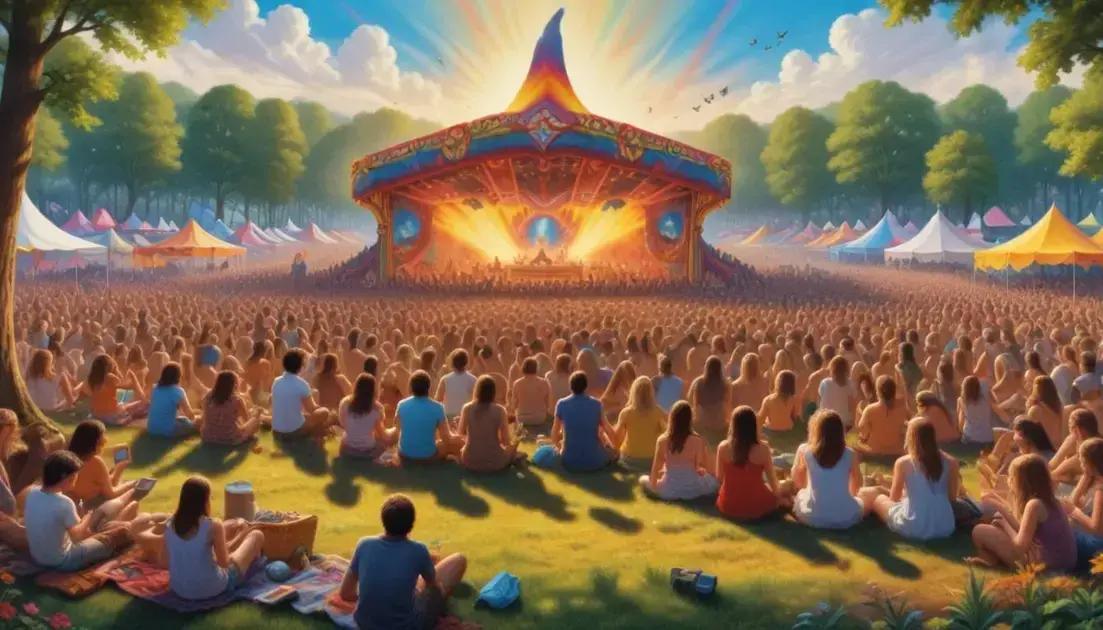
One of the most famous events of this time was the Woodstock Festival. This gathering became a symbol of peace and love. It attracted hundreds of thousands of participants who celebrated music and unity.
People were tired of war and wanted to promote peace. This was a big reason for the protests that emerged. Many young activists got involved, spreading their messages through rallies and demonstrations.
Cultural norms also shifted during this time. People began to explore different lifestyles, from communal living to alternative forms of spirituality. These changes inspired others to question their beliefs and embrace new ideas.
Artists and musicians played a massive role in shaping the counterculture movement. Iconic bands and singers sparked conversations about freedom and change through their songs. Their music had a powerful influence on society.
As counterculture grew, it directly challenged traditional values. People began to believe that they could make a difference. Many still feel the impact of this era today.
Woodstock and Its Impact
Woodstock was a defining moment in the counterculture movement. Held in 1969, it attracted around 400,000 people. This music festival celebrated peace, love, and music. It was much more than a concert; it was a statement.
At Woodstock, famous artists like Jimi Hendrix and Janis Joplin took the stage. Their performances sparked a sense of unity among the crowd. People danced and sang together, creating a powerful atmosphere of hope.
Woodstock showed that a large group could gather peacefully. This challenged the notion that protests meant violence. Attendees promoted messages of peace and understanding.
The festival’s success inspired similar events. It proved that music could unite people with a common vision. Woodstock became a cultural icon, representing freedom and rebellion.
Even today, the legacy of Woodstock is alive. It influences yearly music festivals around the world. Many look back at Woodstock as a call for change.
Woodstock wasn’t just about music; it changed how people viewed social issues. It encouraged discussions on race, war, and love. This impact is still felt in today’s music and social movements.
Protests and Rebellion
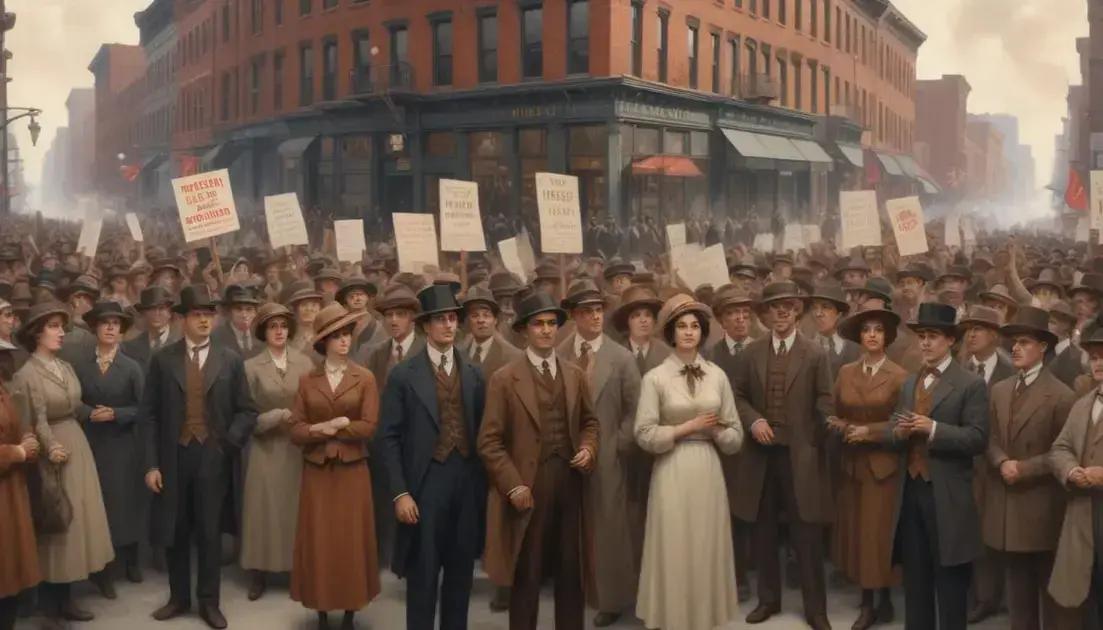
The protests and rebellion of the 1960s were crucial to the counterculture movement. People began to speak out against war, racism, and inequality. They wanted their voices heard, and they made it happen through rallies and demonstrations.
One major protest was against the Vietnam War. Many young Americans opposed the war. They gathered in large numbers to express their anger and demand peace. These protests often turned into powerful statements of unity among diverse groups.
Rallying for civil rights also gained strength during this time. Great leaders, like Martin Luther King Jr., inspired many to fight for equality. Their messages of peace and justice resonated deeply with protesters.
Artists and musicians used their talents to support these movements. Songs became anthems for change, spreading messages of hope and resistance. Music was a way to connect people and energize their fight for rights.
As demonstrations grew, they faced challenges. Protesters often dealt with police violence and harsh responses. However, these difficulties only strengthened their resolve. Many continued to fight for their beliefs, refusing to back down.
Through protests and rebellion, a new generation emerged. This era showed that people have the power to create change. The impact of these movements is still felt in society today.
Cultural Shifts in Society
The cultural shifts in society during the 1960s were groundbreaking. This era saw a dramatic change in how people thought and acted. It was a time when many questioned traditional beliefs and norms.
Young people began to reject conservative values. They explored new ideas about freedom, love, and self-expression. This new mindset led to changes in fashion, music, and art.
Music became a voice for the movement. Artists like Bob Dylan and The Beatles challenged old ways of thinking. Their songs spoke to the spirit of the time, inspiring many to embrace change.
Fashion also shifted significantly. Long hair, colorful clothes, and tie-dye became symbols of rebellion. People expressed themselves through their appearance, celebrating individuality.
Additionally, the rise of alternative lifestyles emerged. Communal living and open relationships gained popularity. Many sought to create societies based on love and understanding.
These cultural shifts influenced different areas of life. Politics, education, and social norms all felt the impact. The fight for civil rights and gender equality gained momentum, inspiring future generations.
Overall, the 1960s set the stage for ongoing change. Many of the ideas from this period are still relevant today, shaping our society in various ways.
Legacy of the Counterculture
The legacy of the counterculture movement continues to shape our world today. The 1960s and 70s brought significant changes that we still feel. Many ideas from this time have influenced modern society.
One major impact is the fight for civil rights. The activism in this era challenged discrimination. Today, movements for equality are directly inspired by those efforts.
Music also plays a crucial role in this legacy. Artists from the counterculture era introduced new sounds and messages. Their influence remains strong in today’s music, blending genres and promoting social change.
Fashion trends from the 1960s still inspire styles today. Bold colors, unique designs, and self-expression are common in modern fashion. People continue to use clothing to show individuality.
Furthermore, the focus on peace and environmental issues has grown. Awareness of these topics began with the counterculture. Many people today still advocate for a sustainable and peaceful world.
Finally, the spirit of rebellion and questioning authority lives on. People still speak out against injustices and demand change. The counterculture movement taught us that voices can unite and create impact.
Conclusion
In closing, the counterculture movement has profoundly shaped our society. Its impact on music, fashion, and activism is still alive today. As we reflect on the legacy of this era, we see how it paved the way for progress in civil rights and environmental awareness.
The spirit of questioning norms and advocating for change reminds us that we all have a voice. Together, we can continue to fight for justice, peace, and equality. The lessons learned from the past inspire us to create a brighter future for generations to come.