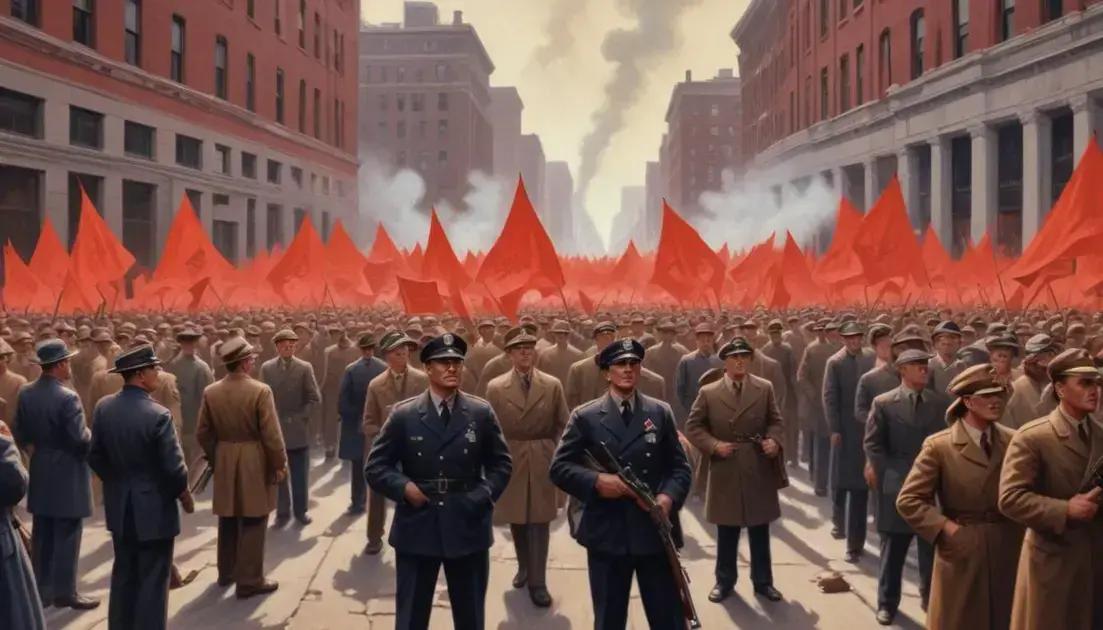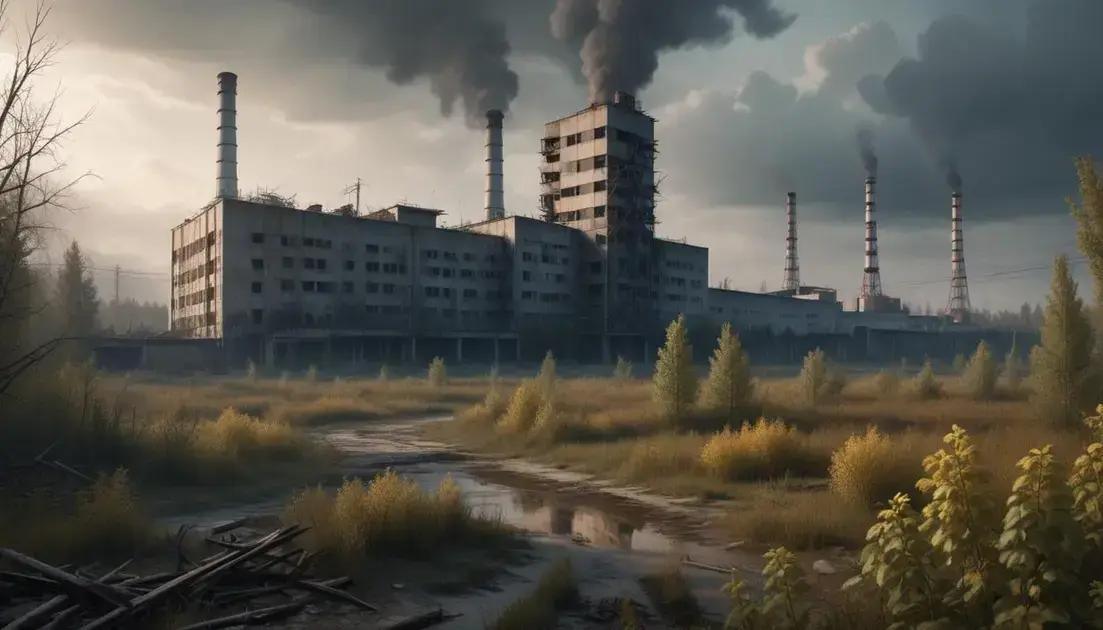
The day the USSR collapsed: how the world changed forever
The fall of the Berlin Wall in 1989 marked a significant turning point in history, leading to an end to the Cold War and inspiring movements for democracy and freedom across Eastern Europe. This event reshaped global politics, influenced cultural expression, and set the stage for new national identities in former Soviet states. The lasting legacy of the USSR continues to impact political and social dynamics worldwide, showcasing the enduring power of hope and resilience in the fight for personal and collective freedoms.
USSR Collapse was a turning point, reshaping nations and lives forever. What does this mean for our world today? Let’s dive in!
The fall of the Berlin Wall
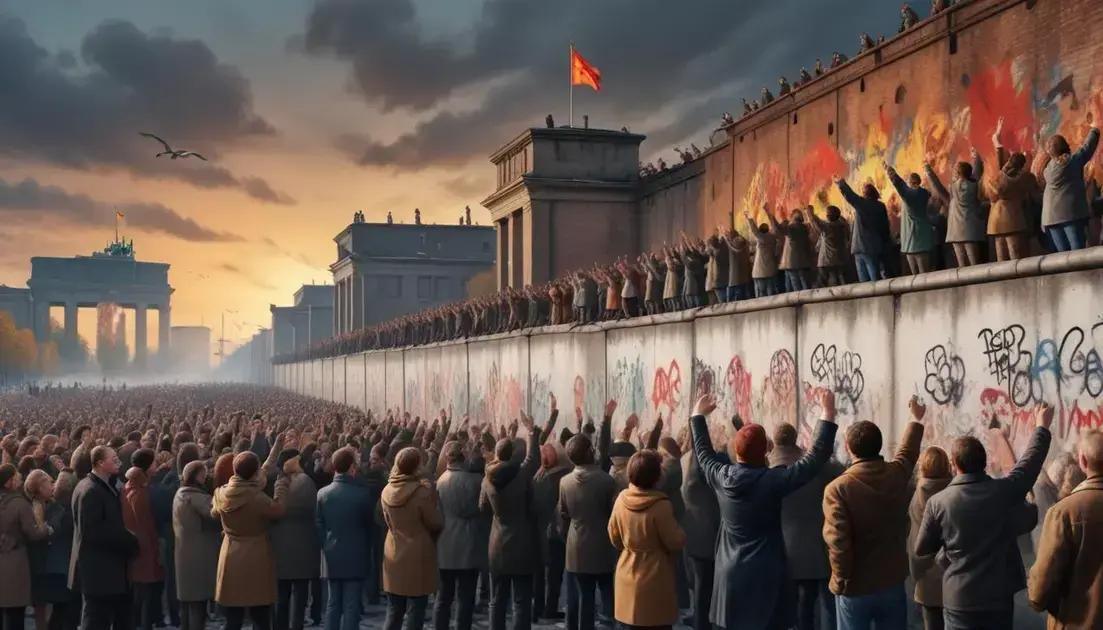
The fall of the Berlin Wall in 1989 was a key moment in history. It marked the end of a divided Germany and the Cold War era. People celebrated as they tore down the wall that separated East and West Berlin. Freedom suddenly felt real for many who had been trapped.
The Significance of the Wall
The Berlin Wall stood for nearly three decades, symbolizing the harsh divide between communist and democratic worlds. It was more than just a wall; it represented oppression. When it fell, it symbolized hope and unity.
Celebrations and Emotions
As the wall came down, thousands of people gathered to celebrate. There were tears, laughter, and cheers. Families who had been separated could finally reunite. This moment showcased the power of people coming together for change.
Global Impacts
The fall of the Berlin Wall didn’t just change Germany. It shifted politics worldwide. Countries started to question their own leaders and systems. The desire for freedom spread like wildfire across Eastern Europe.
Many saw this as the beginning of a new era. People wanted more rights and chances to build their futures. As countries began to embrace democracy, the world felt a new sense of hope.
Impact on global politics
The fall of the Berlin Wall had a huge impact on global politics. After it came down, many countries began to change. Nations in Eastern Europe desired freedom and democracy. They looked to Germany as a shining example of what could be.
Democratic Movements
Countries like Poland and Hungary held free elections. These movements were inspiring. People wanted their voices to be heard. This change spread quickly across the region.
End of the Cold War
The fall of the wall signaled the end of the Cold War. The division between East and West was fading. This led to NATO and former Soviet states rethinking their roles. A new structure for international relations began to form.
New Alliances
As the USSR weakened, countries sought new alliances. The European Union expanded, welcoming new members. Nations with different backgrounds found common ground. They aimed to work together for peace and prosperity.
The world felt different after the Wall fell. New powers emerged, and the balance shifted. Countries now had the chance to shape their future in ways they never thought possible.
Narratives of freedom
The fall of the Berlin Wall sparked many narratives of freedom. People from all walks of life shared their stories. These tales highlighted struggle, hope, and triumph over adversity.
Personal Stories
Many individuals experienced life in a divided city. Their stories are powerful. Some waited years to reunite with family. Others risked their lives trying to cross to the West. These personal journeys show the deep desire for freedom.
Cultural Shifts
After the wall fell, art and music flourished. Creatives expressed their newfound freedom through their work. This cultural explosion spoke to the heart of many. It symbolized a brighter future and the joy of unity.
Global Inspirations
These narratives didn’t just touch Germany. They resonated around the world. People everywhere found hope in these stories. Movements for freedom in other nations gained momentum. People felt inspired to fight for their rights.
The narrative of freedom continues to inspire generations. It reminds us that freedom is worth fighting for and sharing. Each story adds to the rich tapestry of our shared history.
Cultural shifts post-collapse
The fall of the Berlin Wall led to major cultural shifts post-collapse. With newfound freedom, artistic expression flourished. People could now freely share their thoughts and ideas.
A Rise in Art and Music
After the wall fell, artists felt inspired. They created powerful works reflecting their experiences. Music became a way to celebrate freedom and unity. Concerts brought people together like never before.
Literature and Storytelling
Writers found new voices. They shared stories of hope and resilience. Books filled with tales of overcoming struggle became popular. These narratives showed the power of culture in healing.
Change in Social Norms
Post-collapse, people felt more connected. They began to form new friendships across borders. Ideas about community changed, and collaboration grew. This shift opened doors for many.
The cultural landscape transformed in remarkable ways. Festivals, exhibitions, and public events emerged. Communities celebrated their shared history and future together.
Lasting legacy of the USSR
The lasting legacy of the USSR is felt around the world today. When it collapsed, many people worried about the future. But that change sparked discussions on democracy and freedom.
Influence on Former Soviet States
After the USSR dissolved, new nations formed. Countries like Ukraine and the Baltics sought independence. They built their identities with a mix of old traditions and new hopes.
Impact on Global Politics
The USSR’s fall reshaped international relations. As former Soviet states embraced democracy, other nations watched closely. Their choices inspired movements for change in places like the Middle East and Asia.
Cultural and Artistic Reflections
The legacy also lives on in art and culture. Writers, filmmakers, and artists explore themes of freedom and identity. Their work reflects the struggles and triumphs of a changing world.
Over the years, many people have learned from the USSR’s history. Its lessons remind us about the importance of unity and the fight for rights.
Conclusion
In conclusion, the fall of the Berlin Wall marked a significant shift in our world. Its impact is still felt in politics, culture, and personal freedoms today. The stories of hope and resilience remind us of the importance of fighting for our rights.
The lasting legacy of the USSR continues to influence nations, pushing them towards democracy and self-identity. As we reflect on this history, we see just how powerful change can be. It teaches us that unity and freedom are worth striving for, no matter the obstacles.
Tags: