The End of Empires: Birth of the Bipolar World
The emergence of a bipolar world after World War II significantly altered global politics, establishing the US and USSR as superpowers. Their rivalry shaped international relations through alliances, conflicts, and ideologies—democracy versus communism. This division led to notable events like the Cold War and influenced how nations interacted and aligned. Understanding this historical context is crucial for grasping today’s geopolitical landscape, where the legacies of these two powers remain impactful.
Bipolar World marks a significant shift in global dynamics following the collapse of empires after 1945. Discover how this transformation reshaped international relations.
The Historical Context of Empires
The historical context of empires helps us understand how they shaped our world. Empires were powerful forces that expanded their borders, controlled resources, and influenced cultures. They often started with the desire for more land or wealth. As empires grew, they changed how people lived and interacted.
Many empires, like the Roman and Ottoman, emerged from different regions. They brought together various nations and peoples under a single rule. This mixing of cultures led to unique traditions, languages, and ideas.
However, empires faced challenges. They dealt with rebellions and conflicts within their territories. As empires expanded, they sometimes neglected the needs of the people they ruled. This could lead to dissatisfaction and unrest.
The fall of empires often opened doors for new nations. After World War II, many empires collapsed, giving rise to independent countries. This transition significantly altered global power dynamics.
Understanding the historical context of empires helps illustrate why certain regions are the way they are today. It lays the groundwork for grasping the complexities of the current bipolar world.
Rise of the US and USSR
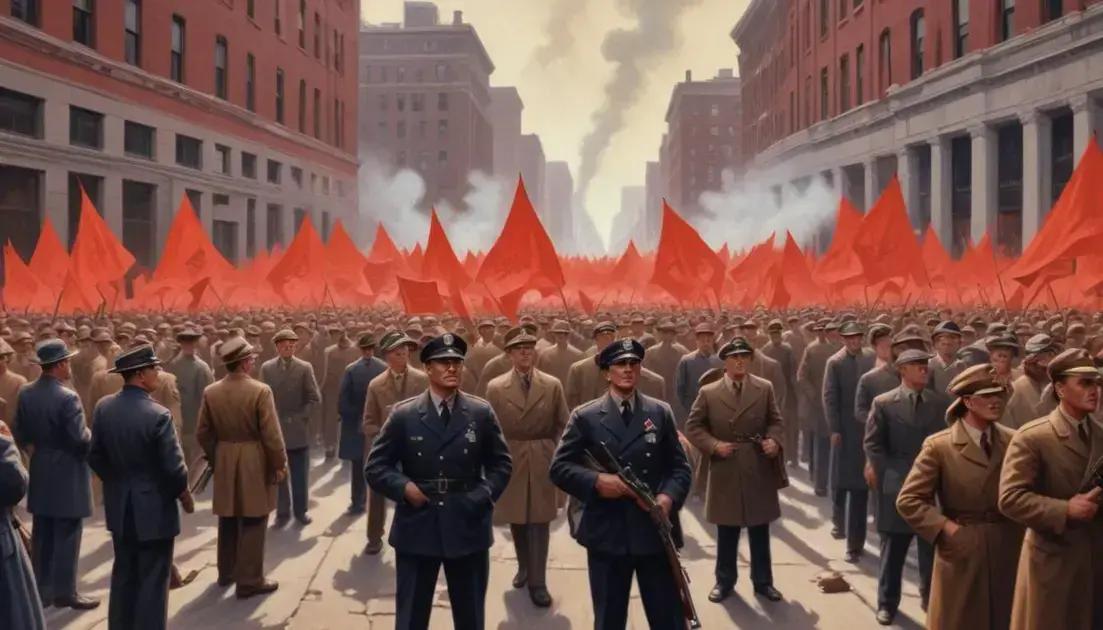
The rise of the US and USSR came after World War II. These two nations emerged as superpowers. They shaped the modern world in many ways. Both countries had different beliefs and systems. The US favored capitalism, while the USSR supported communism.
After the war, the US focused on rebuilding Europe. Through the Marshall Plan, it provided aid to struggling nations. This helped prevent the spread of communism. Meanwhile, the USSR expanded its influence in Eastern Europe. It established communist governments in several countries, creating a divide.
This division led to years of tension known as the Cold War. Both sides built up their military and competed for global influence. The US and USSR engaged in an arms race, developing nuclear weapons. This created fear and uncertainty around the world.
Despite the competition, there were moments of cooperation. From cultural exchanges to arms control agreements, both nations sought to balance their rivalry. The rise of the US and USSR not only changed politics but also affected daily life across the globe.
Understanding this rise is crucial in grasping our bipolar world today. The legacies of these superpowers continue to influence international relations.
Impact on Global Politics
The impact on global politics from the rise of the US and USSR shaped much of the 20th century. These two superpowers competed for influence worldwide. Their rivalry affected countries across the globe, leading to alliances and conflicts.
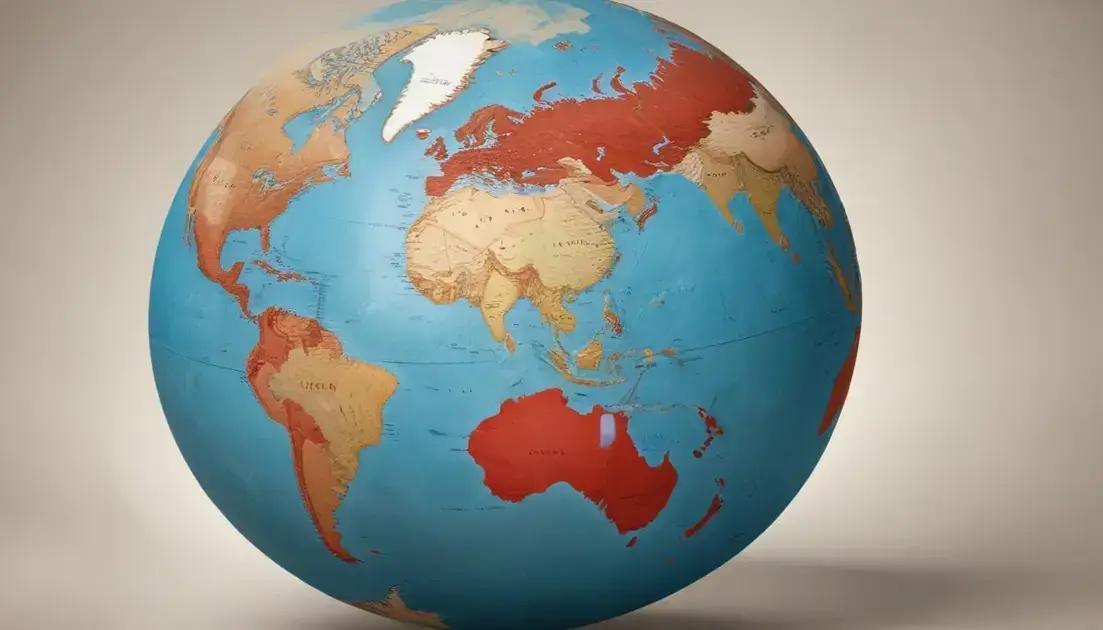
As the US promoted democracy, the USSR supported communist movements. This created two distinct blocks: the Western bloc led by the US and the Eastern bloc under Soviet influence. Countries often had to choose sides, which changed their political paths.
Wars, such as the Korean and Vietnam Wars, arose from this competition. The US aimed to stop communism’s spread, while the USSR wanted to expand its ideology. These conflicts caused significant loss of life and reshaped nations.
International organizations, like the United Nations, also emerged during this time. They aimed to promote peace but struggled with the tensions between these superpowers. Decisions often reflected the divisions, complicating efforts to resolve global issues.
The Cold War’s end in the early 1990s marked a shift in global politics. The USSR collapsed, leaving the US as the only superpower. This changed how countries engaged with one another. Now, new challenges like terrorism and climate change take center stage, but the legacies of the past remain.
Emergence of a Bipolar World
The emergence of a bipolar world changed global dynamics after World War II. Two major powers, the US and USSR, dominated international relations. This division influenced how nations interacted with each other.
During this time, countries often aligned with either the US or the USSR. The US promoted democracy and capitalism, while the USSR supported communism. This led to a clear separation between the two sides.
Many nations sought help from one of these powers. Small countries felt pressure to pick a side. This often meant choosing between political systems or economic support. Some nations, like those in Europe, became battlegrounds for their influence.
As a result, conflicts arose, and wars were fought, fueled by this rivalry. The bipolar world created an atmosphere of tension. Yet, it also led to efforts for diplomacy and negotiation. Leaders tried to find common ground to avoid conflicts.
The nature of this world shaped alliances, treaties, and international organizations. The UN aimed to maintain peace despite the division. Even today, the impacts of this bipolarity affect how countries deal with global issues.
Conclusion
In conclusion, the rise of the US and USSR significantly shaped global politics and created a bipolar world. This division influenced countries’ alliances and conflicts for decades. Understanding this history helps us see how today’s international relations continue to be impacted by the legacies of these superpowers.
The tensions and competition drove nations to make tough choices. While these choices often led to conflicts, they also opened doors for diplomacy. The efforts to maintain peace through organizations like the UN were crucial during this time.
As we look at the modern world, we see the traces of that bipolar era. New challenges now face us, but the lessons learned from this period remain valuable. By studying the past, we can better navigate the complexities of today’s global landscape.