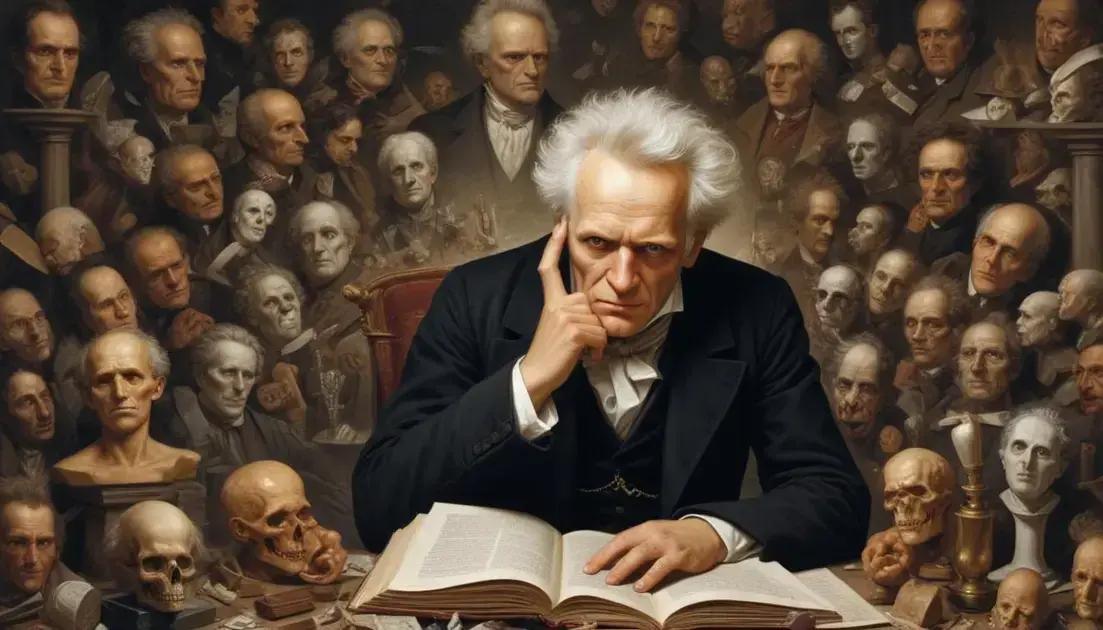
The Enlightenment: Ideas That Changed Governments
The Enlightenment significantly influenced modern governance by promoting ideas of democracy, human rights, and the rule of law. Thinkers like Locke and Voltaire argued for individual rights and freedoms, shaping today’s political systems. Their principles led to public education and advancements in science and art, encouraging critical thinking and questioning of authority. The legacy of the Enlightenment continues to inspire movements for equality and social justice around the world.
Enlightenment thinkers revolutionized the landscape of governance and social thought. Curious about how their ideas reshaped modern society? Let’s dive in!
The Roots of Enlightenment
The Enlightenment began in the late 17th century and lasted until the early 19th century. It marked a time when people started to think differently about society, politics, and science. Instead of relying on tradition and authority, thinkers began to advocate for reason and evidence. They sought to understand the world through observation and experimentation.
Many ideas came from earlier periods, like the Renaissance. Humanists like Erasmus and Leonardo da Vinci encouraged people to question the world around them. This shift allowed thinkers to explore new ideas about human rights and government.Science played a big role in these changes. Thinkers like Galileo and Newton helped to spark interest in scientific methods.
As people began to think for themselves, they started challenging ideas about kings and rulers. They argued that governments should be based on the consent of the governed. This led to questions about justice and freedom. Philosophers like John Locke influenced future ideas about democracy.
Overall, the roots of the Enlightenment are deeply tied to a growing desire for knowledge and a better society. The movement encouraged people to think critically and to question old beliefs.
Key Philosophers and Their Ideas
During the Enlightenment, many philosophers shared ideas that changed how people viewed the world. These thinkers brought new concepts about government, rights, and human nature.
One key figure was John Locke. He believed that people have natural rights to life, liberty, and property. Locke argued that governments should protect these rights. If they don’t, people have the right to rebel.
Voltaire was another important voice. He spoke out against intolerance and fought for freedom of speech. He believed that open discussion was vital for progress and understanding.
Montesquieu introduced the idea of separation of powers. He thought that dividing government into branches, like the legislative and judicial, would prevent any one group from becoming too powerful.
Rousseau had unique ideas about society and government. He believed in the concept of the social contract. This meant that citizens agree to follow certain rules for the good of all, while the government promises to ensure their rights.
These philosophers shaped the modern world. Their ideas not only influenced politics but also encouraged people to think critically about their lives and society.
Impact on Modern Governance
The ideas from the Enlightenment have significantly shaped modern governance. Philosophers inspired new ways of thinking about power and authority. They believed that governments should serve the people.
For instance, the concept of democracy emerged from these discussions. Citizens should have a say in how they are governed. This idea led to the development of representative governments, where elected officials make decisions on behalf of the people.
Furthermore, the notion of human rights gained traction during this time. People started to recognize that everyone is entitled to certain rights, like freedom and equality. This understanding has influenced many constitutions around the world.
The Enlightenment also pushed for the rule of law. This means that laws apply equally to everyone. No one is above the law, not even leaders. This principle curbs the power of government and protects citizens from abuse.
Overall, Enlightenment thinkers sparked discussions that still impact how we view governance today. Their ideas laid the groundwork for modern political systems we see around the world.
The Legacy of Enlightenment Thought
The legacy of Enlightenment thought is still felt today. Its ideas continue to shape our world in many ways. The movement laid the foundation for modern democracies. People expect their governments to respect their rights.
Education is one area where Enlightenment ideas thrived. The emphasis on reason and knowledge encouraged the rise of public education. This idea helped create systems where everyone could learn and grow.
In science, the Enlightenment sparked many discoveries. The methods of observation and experimentation became the standard. This shift led to great advancements in technology and medicine.
Furthermore, the Enlightenment promoted individualism. People began to see the importance of personal freedom. This change influenced social reforms that aim for equality and justice.
Art and literature were also impacted. Writers and artists started exploring themes of reason and humanity. Their works often reflected the values of freedom and inquiry.
Overall, the Enlightenment’s legacy encourages us to question, explore, and strive for a better society.
Conclusion
In conclusion, the Enlightenment brought significant changes that still impact us today. Its focus on reason, rights, and individualism has shaped our modern society. The ideas of thinkers like Locke, Voltaire, and Montesquieu laid groundwork for democratic systems and human rights.
Education, science, and art have all evolved thanks to Enlightenment principles. They encourage us to think critically and pursue knowledge. By valuing these ideas, we can continue to improve our world and ensure that everyone’s rights are respected.
Ultimately, the legacy of the Enlightenment serves as a reminder to keep questioning and exploring. It urges us to strive for a fairer and more inclusive society for all.