The evolution of civil liberties in the U.S.
Civil liberties in the U.S. have evolved significantly through historical struggles and legislative changes, driven largely by impactful social movements. Key moments include the Civil Rights Movement, which fought for racial equality, and the Women’s Rights Movement, advocating for gender equality. Contemporary challenges involve balancing individual freedoms with national security, particularly with the rise of surveillance laws. Activism continues to play a crucial role in shaping future civil rights, demonstrating the ongoing importance of protecting everyone’s liberties in society.
Civil Liberties have undergone a tremendous evolution throughout U.S. history. From the winds of slavery to the digital age of surveillance, these freedoms continue to be a battleground for justice. What do they mean to us today?
Historical context of civil liberties
The history of civil liberties in the U.S. is rich and complex. Understanding this context helps us appreciate how far we have come. Back in the 1700s, many Americans were fighting for their basic rights. This was a time when slavery was common, and freedoms were often limited based on race, gender, and class.
As the nation grew, so did the desire for equality. The Bill of Rights was added to the Constitution in 1791. This was a big step forward. It guaranteed essential freedoms like speech and religion. However, these rights were not always applied fairly. Many groups were still denied their liberties.
The Civil War in the 1860s was a turning point. It aimed to end slavery and promote equal rights for all people. The 13th Amendment officially ended slavery. Though this was a great victory, true equality was still a challenge.
In the 20th century, civil rights movements blossomed. People like Martin Luther King Jr. led powerful movements for equality and justice. They fought against discrimination and for voting rights. This period was important for expanding civil liberties to many who were previously excluded.
Today, we still see debates about civil liberties. Issues like privacy and freedom of expression continue to shape our laws. Understanding the history helps us navigate the future. We can learn from past struggles to protect our rights today.
Key legislative changes over the years
Over the years, several key legislative changes have shaped civil liberties in the U.S. These laws reflect the country’s evolving values. One of the first major laws was the Emancipation Proclamation in 1863. This ended slavery in Confederate states and marked a significant step towards freedom.
The passage of the Civil Rights Act in 1964 was another landmark moment. This law prohibited discrimination based on race, color, religion, or sex. It aimed to ensure equal opportunities in schools, jobs, and public places. This was an important move to protect the rights of all citizens.
In 1972, the Equal Rights Amendment was proposed to guarantee gender equality under the law. Although it faced challenges, it sparked much discussion about women’s rights and protections.
The USA PATRIOT Act, passed after September 11, 2001, expanded government surveillance. It aimed to enhance national security but raised concerns about privacy and civil liberties. Debates continue about the balance between security and individual freedoms.
More recently, the Defense of Marriage Act was struck down in 2013. This ruling established that same-sex couples have the right to marry. It marked a major victory in the ongoing fight for LGBTQ+ rights.
These legislative changes show how laws can evolve over time. They reflect the struggle and progress of many who fought for their rights. Each law has played a part in shaping the civil liberties we enjoy today.
Impact of social movements on civil rights
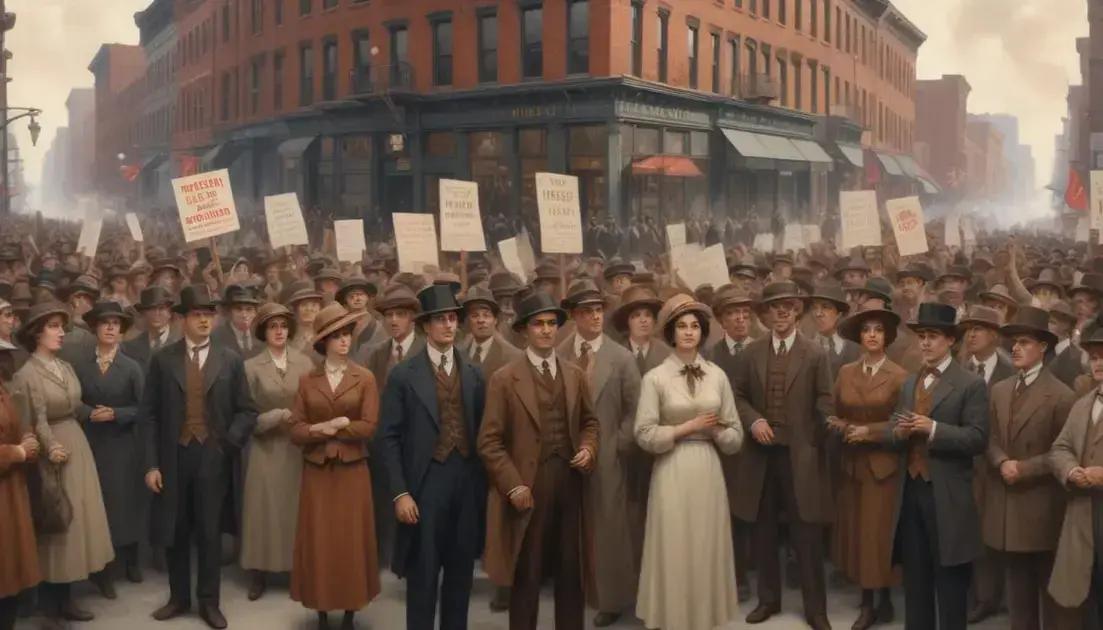
The impact of social movements on civil rights has been huge. These movements have changed laws and raised awareness. For example, the Civil Rights Movement in the 1960s fought against racial segregation. Activists like Rosa Parks and Martin Luther King Jr. inspired many to demand change.
Protests and peaceful demonstrations were key to this movement. People gathered to show their demands for equality and justice. They wanted the government to listen. This push led to important laws like the Civil Rights Act of 1964.
Another significant movement was the Women’s Rights Movement. This fight focused on issues like voting and workplace equality. Women organized rallies and marches. Their efforts helped pass laws to protect women’s rights. The Equal Pay Act of 1963 aimed to reduce wage gaps.
In recent years, the Black Lives Matter movement has emerged. It draws attention to police violence and racial injustice. This movement has sparked conversations across the country. It uses social media to reach millions and spread awareness.
Social movements often connect people from different backgrounds. They show that working together can lead to change. Each movement builds on the last. They help us understand the importance of fighting for everyone’s rights.
Current challenges and future outlook
Today, civil liberties face many challenges. One major issue is the balance between security and freedom. After events like 9/11, laws became stricter. Many worry that these laws invade personal privacy. The USA PATRIOT Act is one example of this. It increased government surveillance to catch threats.
Another challenge is discrimination in various forms. Despite progress, many groups still face bias. Whether based on race, gender, or sexual orientation, discrimination harms individuals and communities. This shows that the fight for civil rights isn’t over.
Social media now plays a big role in activism. While it helps spread awareness, it also has downsides. Misinformation can spread quickly. People must be careful about what they share.
The future of civil liberties is uncertain. Many activists continue to push for change. They aim for laws that protect freedoms while ensuring safety. The government needs to listen to the voices of its citizens.
As society evolves, so do the challenges. It’s important to stay informed and engaged. The ongoing fight for civil rights shapes our world and our future.
Conclusion
In conclusion, the journey of civil liberties in the U.S. is ongoing and complex. Despite many victories, challenges remain. Issues like privacy, discrimination, and the balance between security and freedom are still present. Social movements play a vital role in advocating for change and ensuring that every voice is heard.
As we look ahead, staying informed and involved is crucial. Understanding our rights helps us protect them. The future of civil liberties depends on our commitment to justice and equality for all. Together, we can work towards a society where everyone’s rights are respected and upheld.
Tags: