The Fear That Never Ended: Psychological Heritage of the Cold War
The Cold War’s psychological effects continue to influence modern society, creating lasting legacies that shape political dynamics, cultural expressions, and social behaviors. Fears of nuclear threats remain prevalent, while the division between East and West still impacts international relations today. Artistic works from this era reflect societal anxieties, and educational discussions emphasize the significance of understanding this historical context for a more peaceful future.
Cold War marks a pivotal moment in history, leaving behind scars that still affect our psyche today. Ever wondered how?
Introduction to Cold War psychology
The Cold War was a time filled with fear and uncertainty. People worried about nuclear threats, and this shaped their thoughts and feelings. Many lived in constant anxiety over the possibility of war.
Psychologists studied how this fear affected daily life. They found that the stress from the Cold War made people more anxious, and it changed how communities interacted.
For many, the psychological impact of the Cold War lingered long after it ended. Families often spoke in whispers about politics and safety. Children picked up on these fears, leading to a sense of confusion and dread.
Understanding Cold War psychology helps us see why some behaviors and fears still exist today. It’s important to explore how societal stress affects our mental health and interactions.
Through various studies, we learn how the Cold War created a culture of mistrust and survival. These traits are evident in many people even now, showing that the past can shape the future in surprising ways.
Cultural impacts of fear
The fear from the Cold War influenced many cultures around the world. This fear was about the potential for nuclear war and the unknown. People changed their daily lives because of it.
Communities often came together, but they also became wary of each other. In some places, this led to strong bonds, while in others, it created distrust. Friends and neighbors were sometimes seen as threats.
Art and music from this time reflect these feelings. Many songs and movies depicted themes of war and survival. They captured the public’s anxiety and hope. This art helped people process their fears.
In schools, children learned about the dangers of the world. Some students participated in drills to prepare for potential attacks. This added stress affected their view of safety.
Religious and community groups also played a role during this time. They provided support and comfort to those feeling anxious and scared. Many held gatherings to discuss their fears and hopes for peace.
Over time, the lingering effects of this fear shaped cultural identities. Nations emerged with unique stories about resilience. They are still feeling the impact of that fear today, showing how deeply it influenced society.
Political ramifications
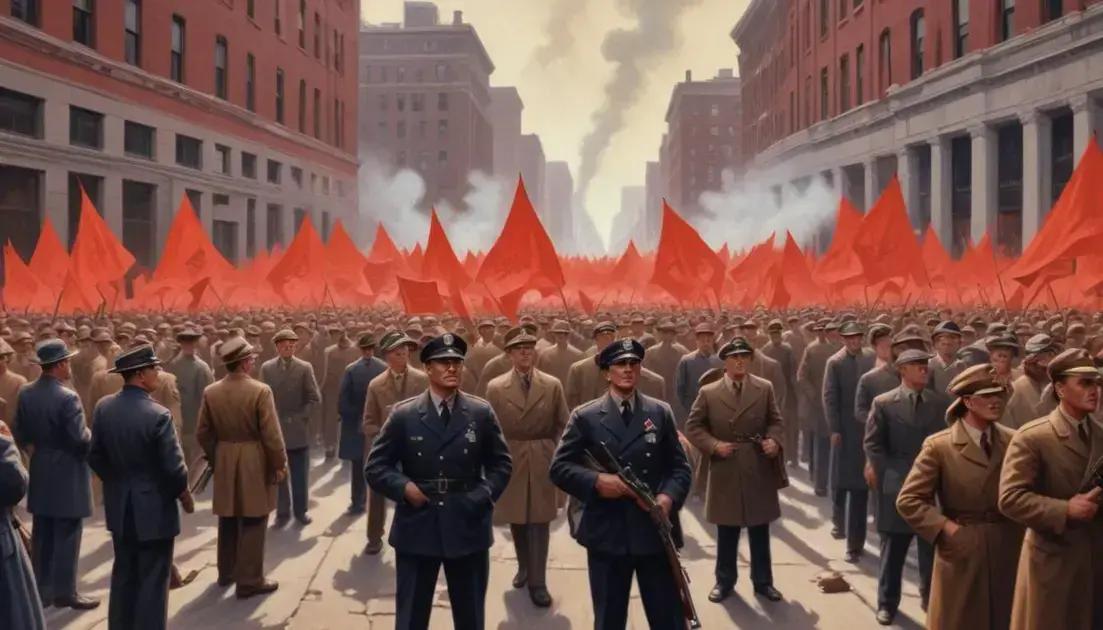
The Cold War had serious political ramifications that changed the world. It wasn’t just about military might; it also involved power plays among nations. Countries were divided into two main sides: the United States and the Soviet Union.
This division led to tense situations. Smaller nations often found themselves caught in the middle. They had to choose sides or face consequences. This created conflicts in places like Korea and Vietnam.
Governments used propaganda to influence public opinion. Misinformation spread quickly, making people more fearful and distrustful. Politicians capitalized on these fears to gain support for their agendas.
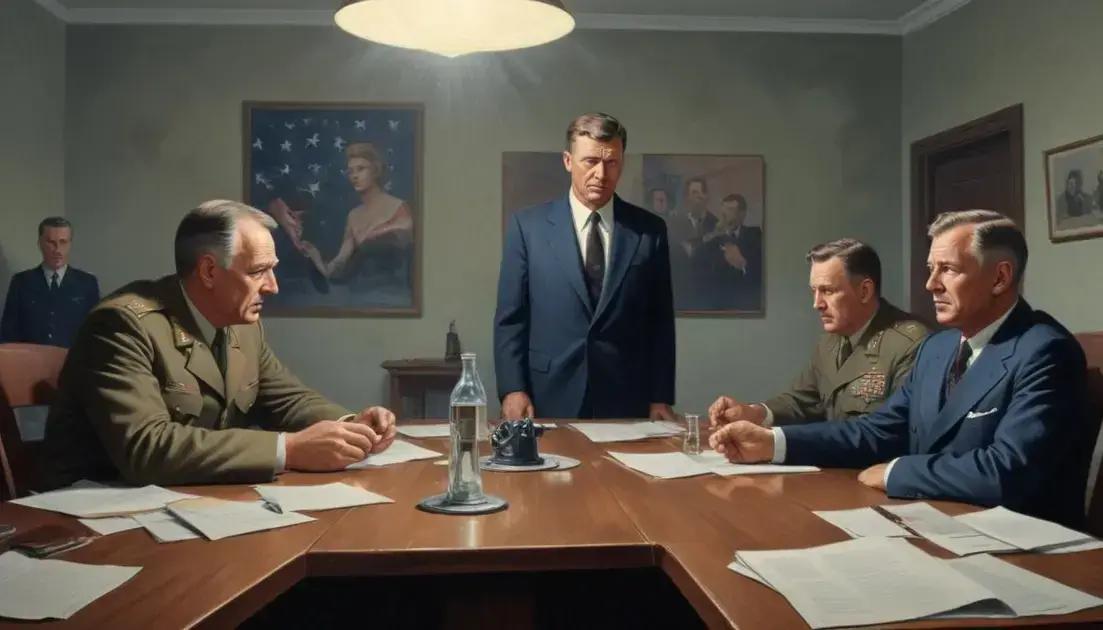
Political leaders often made decisions based on fear rather than facts. This resulted in military build-ups and tense standoffs. The threat of nuclear war hung in the air, impacting policies.
Many countries expanded their military capabilities to protect themselves. Treaties were signed to limit weapons, but trust was hard to build. The political landscape was filled with uncertainty.
As the Cold War ended, the political implications didn’t disappear. New governments formed in Eastern Europe, but many still struggled with the past. The effects of those years continue to shape international relations today.
Lasting legacies in today’s society
The Cold War left lasting legacies that we still feel today. Its impact shaped many aspects of modern society. From politics to culture, the Cold War changed how we see the world.
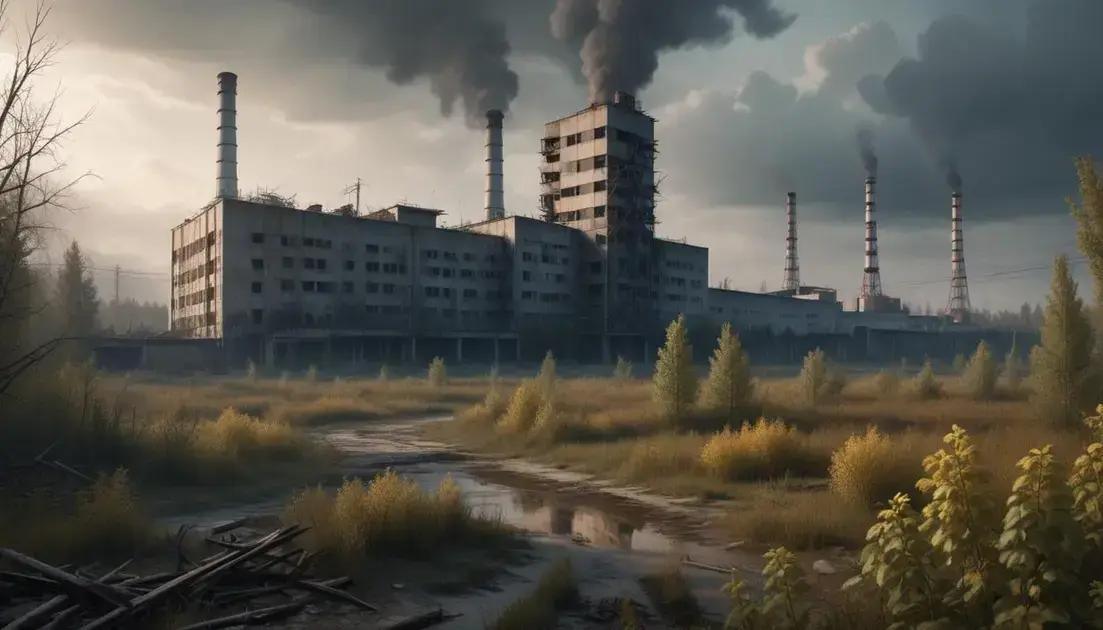
One major legacy is the ongoing fear of nuclear weapons. Many people still worry about their existence. This fear influences political discussions and policy decisions. Nations continue to work on nuclear disarmament, aiming to prevent potential disasters.
Another legacy is the divided world. Some regions still reflect the old East versus West mindset. This division affects international relations and trade agreements.
Culturally, many films, books, and art pieces reference the Cold War era. They serve as reminders of that time and reflect societal fears. These works continue to engage audiences and provoke thought.
Social dynamics also changed due to the Cold War. Trust issues between nations linger, making diplomacy challenging. People who lived through it often pass down stories to younger generations, keeping the memory alive.
In education, students study the Cold War to understand its effects. Many history classes explore how this period reshaped nations and cultures. This shows just how deeply the Cold War has influenced our world.
Conclusion
In conclusion, the lasting legacies of the Cold War continue to shape our world today. From the ongoing fears surrounding nuclear weapons to the cultural expressions that remind us of that era, its impact is undeniable. Understanding these legacies helps us see how they influence our politics and society.
As we reflect on this history, it’s clear that the stories and lessons from the Cold War are still relevant. They remind us of the importance of peace, trust, and cooperation between nations. By learning from the past, we can work together to build a better future for everyone.
Tags: