The first war captured on camera
War photography plays a vital role in documenting conflicts, providing powerful images that shape public perception. Advances in technology, such as digital cameras and drones, have transformed how these images are captured and shared. Ethical considerations are crucial, ensuring the dignity and consent of individuals depicted are respected. Responsible war imagery not only informs but also promotes awareness and empathy toward the human costs of war.
War Images have a profound effect on how we understand history and its horrors. But have they become merely a point of fascination? Let’s explore the power behind these images.
The significance of war photography
The significance of war photography goes beyond just capturing moments. It helps us understand the realities of conflict. These images tell stories that words sometimes can’t express. They show the pain, struggles, and resilience of those involved.
Photographs from battles not only document events but also influence public opinion. They can spark conversations about war and its effects on society. People often react emotionally to these images, which can drive changes in policy and awareness.
During conflicts, photographers risk their lives to capture the truth. Their courage allows us to see the human side of war. We get a glimpse into the experiences of soldiers and civilians alike.
Additionally, war photography preserves history. Future generations can look back and learn from these images. They remind us of the sacrifices made and the realities faced in wartime.
By presenting these powerful visuals, photographers help foster empathy. People can connect with the suffering depicted and better understand the stakes involved. This connection is crucial for promoting peace and preventing future conflicts.
Iconic war images that changed perceptions
Iconic war images that changed perceptions have shaped how we view conflict. These powerful photographs can evoke deep emotions in viewers. They capture moments of bravery, pain, and resilience.
One famous image is the photograph of the flag being raised at Iwo Jima during World War II. This picture represents hope and unity amid chaos. It reminds us of the sacrifices made by soldiers.
Another notable image is the “Napalm Girl” from the Vietnam War. This photo shows a young girl fleeing from an attack. It brought attention to the horrors of war and its impact on innocent lives.
Each of these images tells a story. They can challenge our beliefs and encourage conversations about war and peace. They show the reality of battle, which often isn’t portrayed in the media.
Photographers immortalize these moments, reminding us of our shared humanity. Their work pushes people to think critically about the consequences of war. These iconic images continue to resonate with audiences today.
The evolution of capturing conflict on camera
The evolution of capturing conflict on camera has come a long way. Early war photography used large cameras and long exposure times. Photographers had to plan shots carefully, and capturing action was challenging.
During the Crimean War, photographers like Roger Fenton made history. They documented battles with images that shocked the public. These photos revealed the harsh reality soldiers faced.
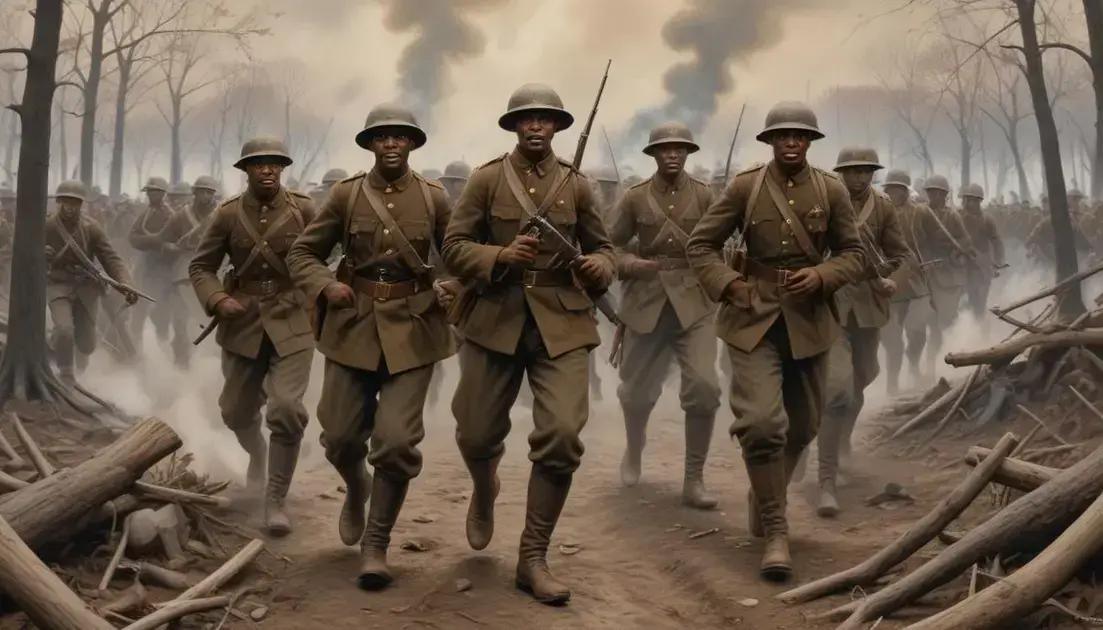
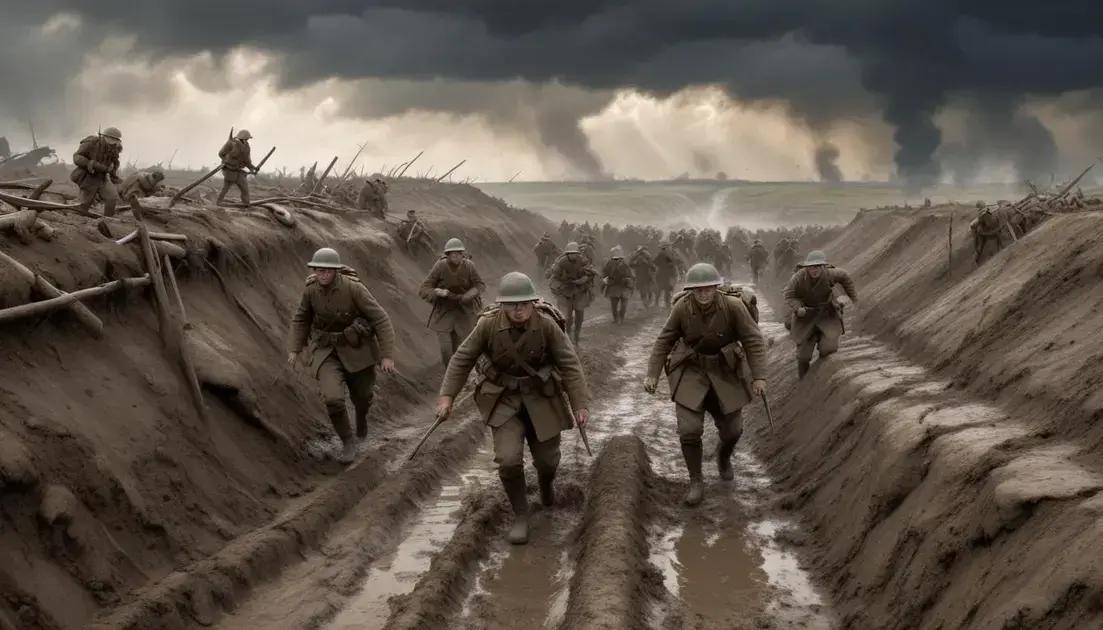
World War I saw advances in technology. Cameras became smaller and easier to use. This allowed for more spontaneous shots. War photographers could capture moments as they happened, making images more relatable.
In World War II, photojournalism gained popularity. Photographers like Robert Capa captured gripping images of combat. His famous quote, “If your pictures aren’t good enough, you aren’t close enough,” pushed photographers to take risks.
Today, digital cameras and smartphones allow anyone to capture images. War photography is no longer exclusive to professionals. Social media platforms let people share experiences instantly, changing how we view conflict.
Despite the changes, the goal remains the same. Photographers aim to tell stories and highlight human experiences. Their work informs and impacts society’s understanding of war.
Technological advancements in war photography
Technological advancements in war photography have changed how we capture conflict. In the past, photographers used heavy film cameras. They needed time to set up their shots. This made capturing dynamic action difficult.
With the invention of smaller, lighter cameras, this began to change. Photographers could take pictures more quickly and easily. They didn’t need to carry large equipment into battle zones.
Digital photography has been a game-changer. Photographers can now take hundreds of photos without changing film. This means they can shoot freely without worrying about running out of film.
Another advancement is the use of drones. These flying cameras give photographers a high vantage point. They can capture images from angles that were previously impossible. Drones also keep photographers safe, as they can stay away from danger.
Smartphone cameras have also played a huge role. Now, anyone can document war with their phones. This democratizes war photography, allowing many voices to be heard.
Furthermore, image editing software has improved. Photographers can enhance their photos to better tell the story. They can adjust colors, contrast, and sharpness to highlight important details.
These advancements help share the realities of war. They make it possible to connect with audiences in engaging ways. As technology continues to evolve, so will how we perceive conflict.
Ethical considerations in war imagery
Ethical considerations in war imagery are very important. Photographers and journalists have a responsibility to portray the truth. They must think about how their images impact viewers and the people in them.
One major concern is consent. Photographers should ensure that those in their images agree to be photographed. This is especially crucial in sensitive situations, like war. It helps protect the dignity of individuals.
Another issue is the potential for exploitation. Graphic images can shock viewers but may also desensitize them. While it’s vital to show the harsh realities of conflict, there should be boundaries to prevent gratuitous violence.
Accuracy is key when capturing war. Misleading images can distort reality and shape false narratives. Photographers must strive to tell the whole story without manipulation or misrepresentation.
Additionally, cultural sensitivity plays a role. Understanding the context of the images is essential. Photographers should respect the cultures and beliefs of the people they are documenting.
Lastly, the impact of images on public perception is significant. Powerful war imagery can drive movements or change opinions. Photographers should consider the consequences of sharing certain images.
In the end, ethical practices in war photography lead to more honest and responsible storytelling. This helps foster a deeper understanding of the impacts of conflict.
Conclusion
In conclusion, the importance of war photography extends beyond capturing images. These pictures tell powerful stories that inform and evoke emotions. They change how we see conflict and its effects on people.
As technology continues to evolve, photographers play a key role. They must balance art and ethics, ensuring they present the truth while respecting those involved. By doing this, they promote understanding and empathy in a world often touched by pain.
Ultimately, responsible war imagery can spark conversations about peace and justice. It helps us remember the human cost of conflict and challenges us all to seek a better future.