The Gilded Age: wealth, corruption, and transformation
The Gilded Age was a transformative period marked by extreme wealth and deep social inequality. During this time, industrial growth led to significant cultural changes, with new artistic movements and the rise of a wealthy elite. However, working-class struggles prompted labor movements demanding fair treatment and better conditions. The contrasts between opulence and poverty sparked discussions about social responsibility and the ethical implications of wealth, highlighting the need for reforms and a more equitable society in future generations.
Welcome to the captivating world of the Gilded Age! This era, defined by immense riches and stark social divides, invites us to explore the complexities of wealth and corruption that shaped our modern society…
The Rise of Industry and Innovation
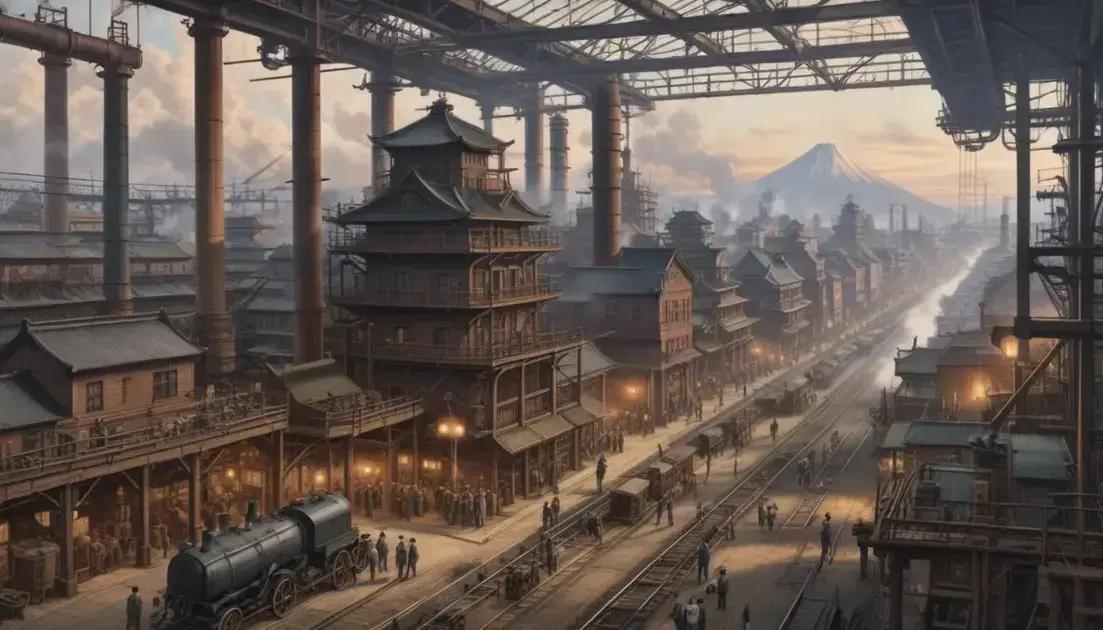
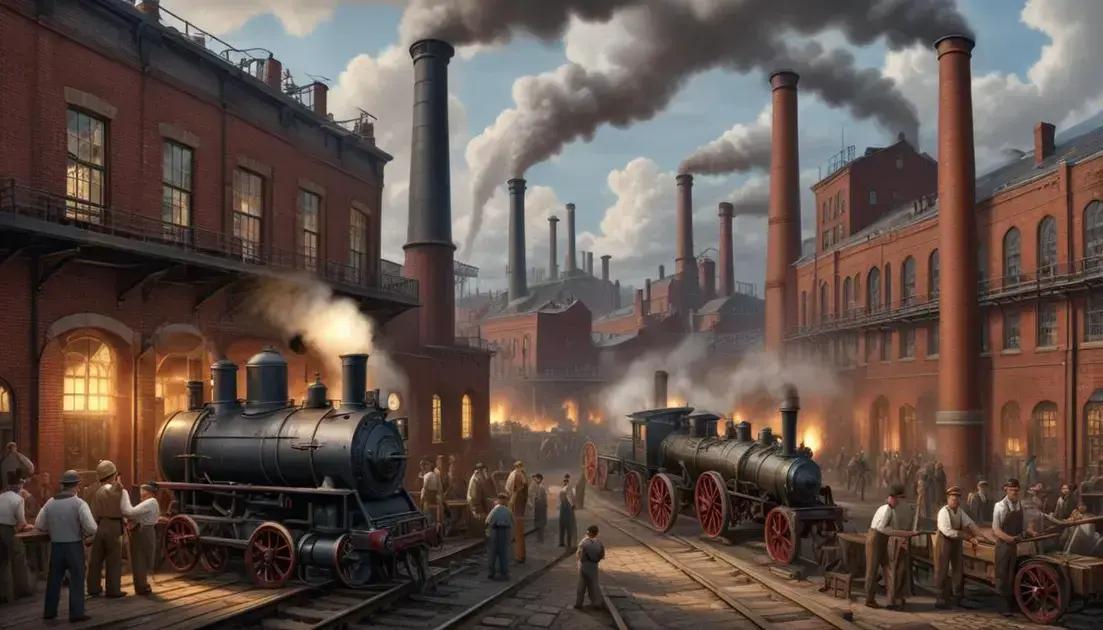
The Rise of Industry in the Gilded Age was a major turning point. Cities began to grow rapidly as people moved for jobs. Factories started using new machines to produce goods faster. This led to more products being available at lower prices.
Technological Innovations
Many innovations emerged during this time. The steam engine made it easier to transport goods. Railroads expanded, connecting cities and markets. Inventions like the telegraph changed communication. These tools transformed everyday life and boosted business.
Impact on Society
This rise in industry didn’t just create jobs. It also changed how people lived. Many workers faced tough conditions in factories. They often worked long hours with low pay. This led to the growth of labor movements. Workers began to demand better treatment.
The Growth of Corporate Power
During the Gilded Age, big companies gained a lot of power. Entrepreneurs like John D. Rockefeller and Andrew Carnegie built huge businesses. Their wealth often led to influence in politics. This raised questions about fairness and ethics in business.
Changing Lifestyles
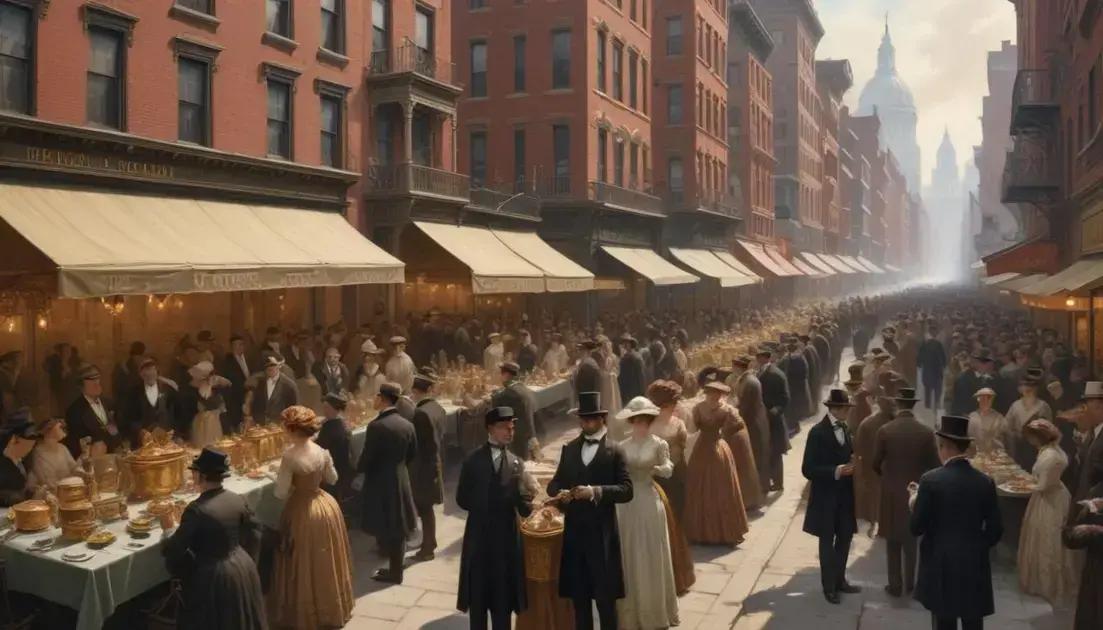
With industry booming, lifestyles shifted dramatically. More people enjoyed new goods and entertainment. Cities became lively hubs of culture and activity. This period was a blend of progress and struggles.
The rise of industry and innovation set the stage for the modern economy. It brought change that still impacts us today.
Corruption and Scandal in Politics
Corruption and scandal were rampant in politics during the Gilded Age. Many politicians used their power for personal gain. Bribery and kickbacks became common practice. This made the public distrustful of leaders.
Major Scandals
One of the biggest scandals was the Credit Mobilier. This involved railroad officials bribing congressmen. They did this to secure public funds for construction. Another major scandal was Tammany Hall in New York City. It was notorious for its corrupt practices.
Political Machines
Political machines played a huge role in this corruption. They helped get candidates elected through tactics like vote buying and intimidation. These groups often controlled everything in their cities, from jobs to services.
Public Outrage
As scandals surfaced, public outrage grew. Citizens demanded reforms and cleaner government. This led to the rise of muckrakers. These journalists exposed corruption and shined a light on the truth.
Reform Movements
Reform movements grew in response to all this corruption. Groups pushed for more transparency in politics. They wanted to change how elections were handled. These efforts eventually led to laws aimed at reducing corruption.
While corruption plagued the Gilded Age, it also spurred change. People began to fight for a fairer political system.
Impact on Social Classes
The Gilded Age had a big impact on social classes. Wealth grew for some, while many struggled. The rich got richer, and the poor faced tough times. This led to major differences in lifestyles.
Wealth Disparity
During this period, wealth was concentrated in the hands of a few. For example, tycoons like Rockefeller and Carnegie amassed incredible fortunes. In contrast, many factory workers lived in poverty. This stark divide made life very different for each class.
Living Conditions
The wealthy enjoyed luxurious homes and fine dining. They traveled by train or private carriages. Meanwhile, the working class faced crowded tenements. These buildings had poor sanitation and limited space. Life was hard and often unsafe.
Educational Opportunities
Education was another area of divide. Wealthy families could afford private schools. They emphasized higher education for their children. In contrast, many poor children had little access to education. This limited their chances for better jobs in the future.
Social Movements
The differences in social classes sparked movements. Workers began to organize for better wages and working conditions. Labor unions emerged as powerful voices. They fought for rights that many took for granted.
Eventually, these movements aimed to close the gap. They sought a fairer society where everyone had a chance to succeed.
Cultural Transformations in the Gilded Era
The Gilded Era brought major cultural transformations. As cities grew, so did the mix of people and ideas. This vibrant blend shaped everything from art to daily life.
Growth of Arts and Entertainment
During this time, the arts flourished. People enjoyed theater, music, and visual arts. Vaudeville shows became popular. These shows offered comedy, music, and drama to audiences.
Literary Movements
Literature also saw exciting changes. Writers like Mark Twain and Henry James explored American life. They addressed themes of wealth, corruption, and identity. Their works encouraged people to think critically about society.
Rise of the Middle Class
The growth of industry created a new middle class. This group had more leisure time and money. They visited museums, attended concerts, and went to parks. Culture became a shared experience, enjoyable for many.
Immigration and Cultural Exchange
Immigration added to this cultural mix. New customs, foods, and traditions enriched the American experience. Festivals and community events celebrated these diverse backgrounds.
These cultural transformations set the foundation for modern American culture. They shaped the values and tastes that continue to influence us today.
Conclusion: Reflections on Wealth and Society
During the Gilded Age, reflections on wealth and society were everywhere. People began to question the growing divide between classes. The rich lived in luxury, while many struggled to get by.
The Ethics of Wealth
Wealth raised important questions about responsibility. Should the rich share their fortunes? Many believed they had a duty to help others. Philanthropy became a key topic of discussion.
Challenging the Status Quo
Critics of capitalism spoke out against inequality. They demanded fair wages and better working conditions. The voices of labor unions grew louder. They wanted to challenge the status quo for a fairer society.
Changing Perspectives
The rise of social movements inspired many. People began to believe that change was possible. They organized to fight for their rights and for those of others.
These reflections on wealth and society during the Gilded Age shaped future generations. They laid the groundwork for the continuing fight for equality.
Conclusion
In summary, the Gilded Age was a time of great contrast and change. Wealth and innovation thrived, bringing new opportunities. Yet, it also exposed deep divides in society. The rich enjoyed luxuries, while many struggled just to get by.
This era sparked conversations about wealth and responsibility. People began to think about what it means to be successful. It was clear that with great wealth came great responsibility to help others.
The voices of those challenging inequality grew stronger. Labor movements and social organizations pushed for fairness. These efforts laid the foundation for future reforms and cultural shifts.
Ultimately, the lessons from the Gilded Age remind us of the importance of balance. As we look to the future, it is vital to ensure that everyone has a fair chance at success. By reflecting on the past, we can strive for a more equal and just society.
Tags: