The global fear of communism: hysteria and politics
Understanding the role of fear in politics is crucial, as it influences decision-making and public perception. Historical examples, like the Red Scare and McCarthyism, show how political hysteria can arise and affect society. Media amplification of fear shapes opinions and drives actions, leading to quick and sometimes irrational choices. By recognizing these dynamics, we can foster critical thinking and more informed discussions in our communities, ultimately shaping a more engaged society.
The fear of communism has played a pivotal role in shaping political landscapes across the globe. Have you ever wondered how such an emotion can dictate policies and influence decisions? Let’s delve deeper.
Introduction to the concept of fear in politics
Fear has always been a powerful force in politics. It shapes how people think and act. Politicians often use fear to gain support. This can lead to changes in policies and even laws. Understanding fear in politics helps us see how decisions are made.
How Fear Influences Decisions
Fear can push people toward certain choices. For example, in times of crisis, leaders might create laws that limit freedoms. This can happen when people feel threatened. When fear runs high, it can cloud judgment and promote quick actions.
Examples of Political Fear
Throughout history, fear has been a tool for many leaders. During the Cold War, fear of communism led to intense actions against perceived enemies. This is just one instance of how fear drives political actions.
The Role of Media
The media plays a huge role in spreading fear. News stories can make situations seem worse than they are. Sensational headlines attract attention but can also create panic among people. Understanding this can help citizens think critically about what they read.
When we understand fear in politics, we can recognize when it’s being used to manipulate. Knowledge is key to making informed choices and being active participants in democracy.
Historical context of communism and its perception
The history of communism is full of ups and downs. It all started in the 19th century with thinkers like Karl Marx. Marx believed in a system where everyone shared wealth and resources. At first, this idea attracted many supporters.
Early Adoption of Communism
In 1917, the Russian Revolution made communism a real choice for the government. People hoped it would bring equality and justice. However, the reality turned out differently.
Misconceptions About Communism
Many people have a negative view of communism. They often link it to oppressive regimes like the Soviet Union. This created a fear that communism meant a loss of freedom. These misconceptions shaped how many see communism today.
The Cold War Era
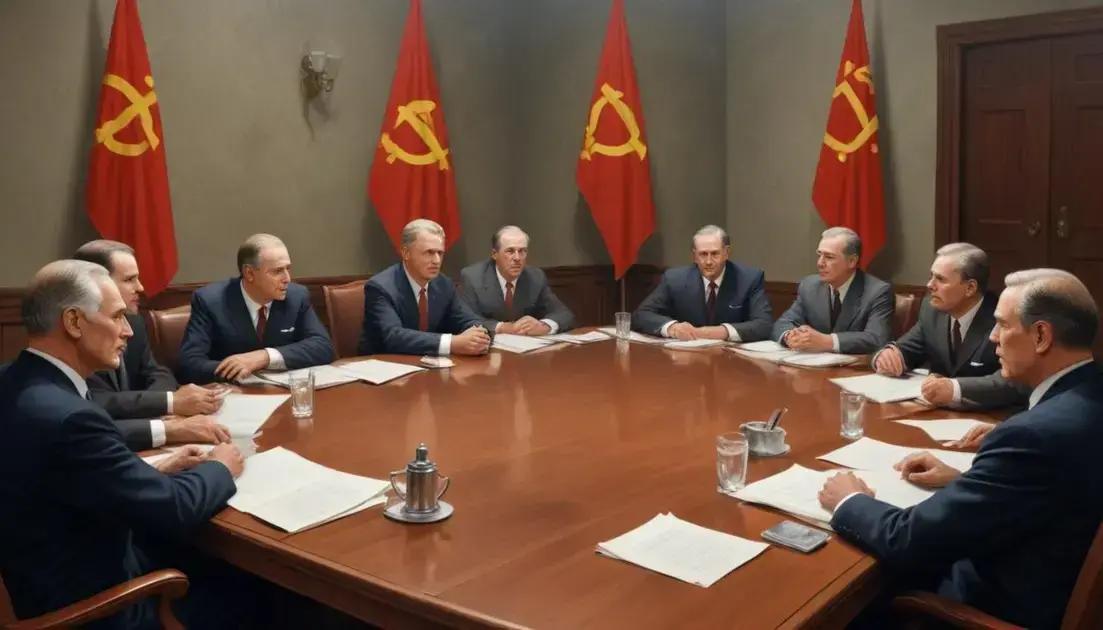
During the Cold War, fear of communism grew. Countries like the United States saw it as a threat. This led to intense political tensions and conflicts across the globe. Many policies were created to counteract the spread of communism.
Understanding the history of communism helps us better grasp its perception today. The lessons learned can guide discussions about governance and society.
The role of media in amplifying fear
The media plays a major role in shaping our views. When it comes to fear, it can amplify emotions quickly. News stories often highlight the worst cases to grab attention.
How Headlines Shape Fear
Catchy headlines can create a sense of panic. For example, “danger is lurking” sounds much more alarming than “there’s a small risk.” These techniques keep viewers engaged, but they can also spread fear.
Choosing What to Report
Media outlets decide which stories to cover. They often focus on negative events because they attract viewers. This can lead to an unbalanced view of reality. People may think the world is more dangerous than it is.
The Impact on Public Perception
When the media amplifies fear, it can influence public opinion. People may support strict policies out of fear. This can change how we see our leaders and communities.
Understanding the role of media in amplifying fear is crucial. It helps us question and analyze what we see and hear.
Case studies of political hysteria
Political hysteria can have serious effects on society. It often arises during crises or conflicts. History shows several case studies where panic spread rapidly.
The Red Scare
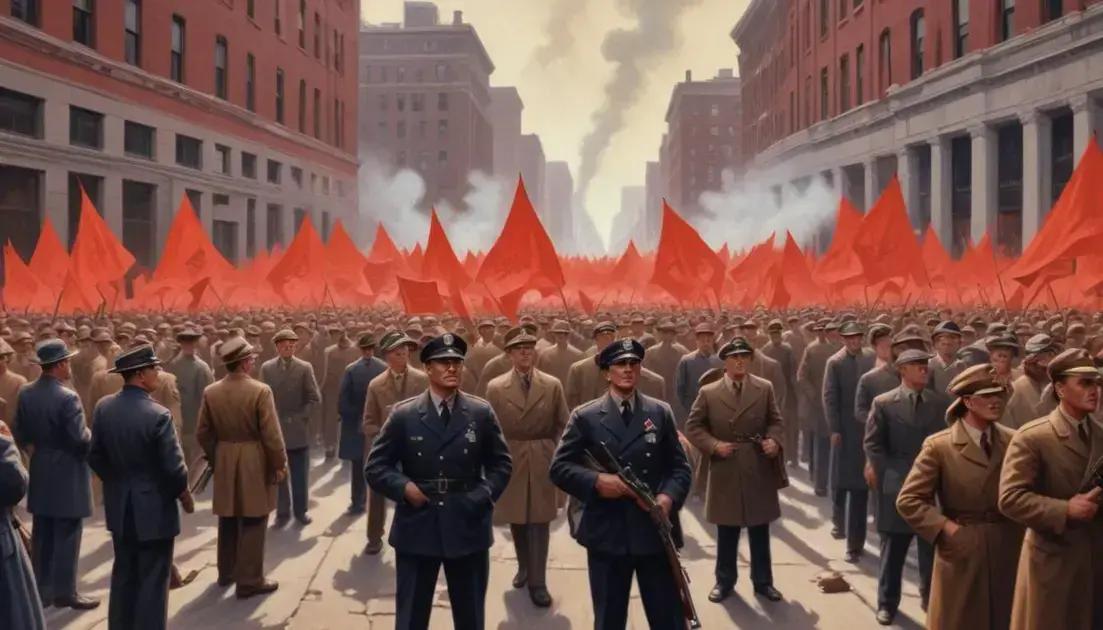
One clear example is the Red Scare in the United States. After World War II, fear of communism grew. Many believed communists were infiltrating the government and society. This led to widespread paranoia and accusations.
The Salem Witch Trials
The Salem Witch Trials in the late 1600s are another example. In a small town, fear of witchcraft led to accusations. Many innocent people were tried and executed based on little evidence. This shows how quickly hysteria can spiral out of control.
McCarthyism
Senator Joseph McCarthy fueled hysteria in the 1950s. He claimed there were many communists in government and other sectors. This led to panic and ruined countless careers. People were blacklisted, losing their jobs without proof.
These cases highlight how fear and hysteria can challenge rational thought. They remind us of the need for careful examination of facts during tough times.
Conclusion and reflections on contemporary implications
Understanding political fear is important today. Many of the events from history repeat themselves. As we face new challenges, fear can shape our decisions.
Current Political Climate
Today, fear is still used in politics. Politicians often highlight threats to gain support. This can lead to quick decisions that may not be well thought out.
The Importance of Awareness
Being aware of how fear works helps us think critically. It allows us to question the information presented to us. We must balance our emotions with facts.
Taking Action
Citizens can take action by staying informed. Engaging in discussions and asking questions is key. Communities need to unite and understand the implications of fear-based tactics.
By reflecting on the power of fear in politics, we can make better choices. This helps us create a more informed and aware society.
Conclusion
In conclusion, understanding the role of fear in politics is essential. It has shaped events throughout history and continues to influence our world today. As we navigate through challenges, being aware of how fear affects decision-making is vital.
By questioning the information we receive and engaging in open discussions, we can better understand the implications of political fear. This awareness empowers us to make informed choices and contribute positively to our communities.
Ultimately, recognizing the impact of fear lets us take charge of our political landscape. It encourages us to foster dialogue, cultivate critical thinking, and seek balanced perspectives. Together, we can build a more informed society that values careful thought over panic-driven actions.