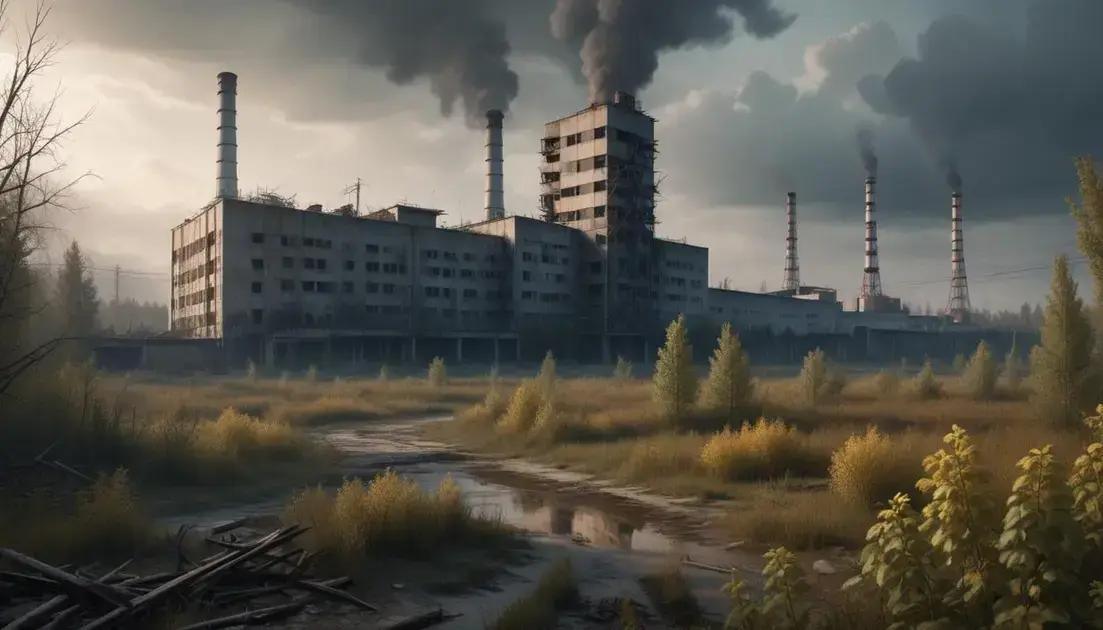
The H-Bomb and the Peak of Destructive Power
The H-Bomb, or hydrogen bomb, represents the peak of nuclear destructive power, significantly impacting global security dynamics. Its development during the Cold War led to an arms race, as countries sought their own nuclear capabilities to maintain power. The immense power of the H-Bomb raises serious ethical concerns regarding its use, highlighting the critical need for international dialogue and disarmament efforts to prevent potential nuclear conflict. Understanding the H-Bomb’s implications is essential for fostering a safer future and promoting global peace.
Have you ever wondered how the H-Bomb signified a turning point in military history? This article delves into the profound implications of this devastating weapon and what it means for our world today.
Introduction to the H-Bomb
The H-Bomb, or hydrogen bomb, is a powerful nuclear weapon. Unlike earlier atomic bombs, the H-Bomb uses fusion. This process combines light atomic nuclei to create energy. It was first tested in 1952 by the United States. This bomb marked a shift in military power.
The destructive capability of the H-Bomb is immense. It can create explosions thousands of times stronger than the Hiroshima bomb. Such power raises serious concerns about global safety.
As nations developed H-Bombs, the arms race intensified. Countries felt pressured to build their own nuclear arsenals. This led to a standoff during the Cold War, where the threat of nuclear war loomed large.
So, why does the H-Bomb matter today? Understanding its impact helps us see current military and political challenges. It serves as a reminder of the need for peace and the importance of international cooperation.
Historical Context and Development
The H-Bomb’s story begins after World War II. During this time, the world faced new dangers. The Cold War started, creating tension between superpowers. Nations raced to develop powerful weapons.
The first successful test of the H-Bomb took place on November 1, 1952. This was known as “Ivy Mike.” It was tested by the United States on an island in the Pacific. The explosion was massive, illustrating the bomb’s power.
As countries saw the strength of the H-Bomb, they rushed to create their own. The Soviet Union followed suit, testing their version in 1953. This escalated fears of nuclear conflict.
Throughout the 1950s and 1960s, other nations joined the nuclear club. Great Britain, France, and China developed their own H-Bombs. Each test showed an increasing level of destructive power.
This advancement raised serious questions about global security. People worried about the risks of these weapons in the hands of different nations. The need for disarmament discussions grew stronger as a result.
The Peak of Destructive Power
The H-Bomb represents the peak of destructive power. When detonated, it unleashes a force beyond imagination. The energy released can level entire cities in moments. The impact of the blast is devastating, affecting vast areas.
Its power comes from nuclear fusion. This process merges hydrogen atoms, creating energy. The result is much stronger than earlier nuclear weapons. The sheer size of the explosion can create fireballs and shock waves that travel for miles.
On March 1, 1954, the United States tested a bomb known as “Castle Bravo.” This was the largest bomb ever detonated by the U.S. It was nearly 1,000 times stronger than the bomb that destroyed Hiroshima.
The H-Bomb not only destroyed buildings, but it also caused severe radiation. This radiation can lead to long-term health issues and environmental harm. Such consequences make the use of the H-Bomb a serious ethical concern.
Globally, nations recognize the threat of the H-Bomb’s power. This is why many countries engage in treaties to limit nuclear arms. Understanding this weapon’s potential helps us grasp the importance of peace and security efforts.
Implications for Global Security
The existence of the H-Bomb has serious implications for global security. It greatly influences military strategies around the world. Countries with H-Bombs often feel more powerful. This can lead to tensions among nations.
When one country tests or develops the H-Bomb, others react. They may invest in their own nuclear capabilities. This arms race can create instability and raise the chance of conflict.
The threat of using H-Bombs is not just theoretical. Accidental launches or miscommunications could lead to disasters. The fear of escalation makes world leaders cautious.
Many nations engage in treaties to control nuclear weapons. These agreements aim to limit the spread and prevent the use of H-Bombs. Important treaties include the Non-Proliferation Treaty (NPT), which promotes disarmament.
Moreover, the humanitarian impact of using an H-Bomb is immense. Lives lost, injuries, and environmental damage would be catastrophic. This reality pushes countries to seek diplomatic solutions.
Conclusion
The H-Bomb plays a crucial role in our understanding of modern warfare. It highlights the constant struggle for power among nations. Its destructive potential raises questions about ethics and safety.
As technology advances, the threat of nuclear weapons becomes more complex. Discussions around disarmament and peace are more important than ever. The global community must work together to manage these challenges.
Educating people about the H-Bomb’s implications can help create a safer future. Awareness leads to informed choices among leaders and citizens alike. Together, we can strive for a world free of nuclear threats.
Conclusion
In conclusion, understanding the significance of the H-Bomb is vital for grasping modern military dynamics. Its immense power represents both a threat and a challenge for global security. As nations continue to face the risks associated with nuclear weapons, the need for dialogue and cooperation becomes even more important.
By promoting awareness and education about the H-Bomb, we can help foster a safer world. Efforts towards disarmament and peaceful solutions can guide us to a future without the threat of nuclear war. Ultimately, it is our responsibility to advocate for a more secure and peaceful planet for generations to come.