The Harlem Renaissance: when Black art changed America
The Harlem Renaissance was a transformative cultural movement in the 1920s that significantly shaped American art, music, and literature. It featured key figures like Langston Hughes and Zora Neale Hurston, who explored themes of race and identity. This period not only brought attention to Black culture but also influenced modern social justice movements and educational curricula, leaving a lasting legacy that continues to inspire new generations of artists and activists alike.
The Harlem Renaissance was more than just a cultural movement; it was a transformative moment in American history. This period heralded a wave of creativity and an awakening of Black identity.
Introduction to the Harlem Renaissance
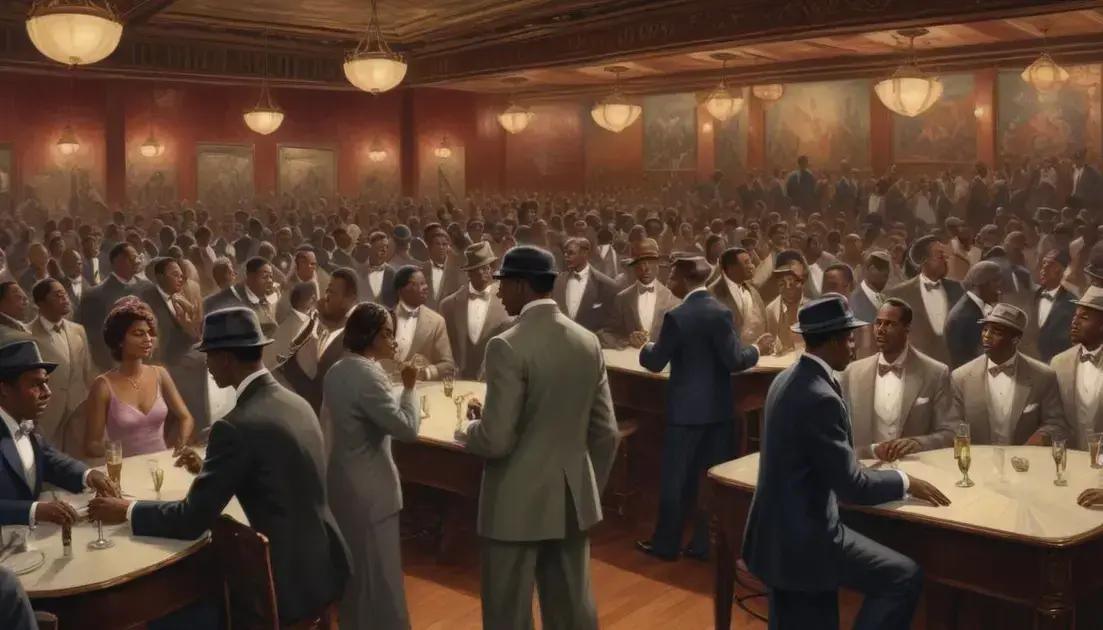
The Harlem Renaissance was a vibrant cultural movement in the 1920s. It celebrated Black art, music, and literature. Artists, musicians, and writers came together in Harlem, New York. They expressed their experiences and challenged stereotypes. This burst of creativity changed how America viewed Black culture.
Key Figures and Contributions
Many important figures emerged during this time. Langston Hughes wrote powerful poetry that captured the spirit of the movement. Zora Neale Hurston explored Black identity through her novels. Musicians like Duke Ellington and Louis Armstrong brought jazz to new heights.
The Impact on Society
The Harlem Renaissance didn’t just impact culture; it also influenced society. It helped fight against racism and pushed for civil rights. This movement inspired future generations to embrace their heritage and stand up for equality.
The art and ideas from this period still resonate today. They remind us of the power of creativity in overcoming adversity. The Harlem Renaissance opened doors for many artists and paved the way for future movements.
Key Figures and Artists
During the Harlem Renaissance, many key figures emerged. These artists played a big role in shaping the movement. Writers, musicians, and visual artists found their voices and expressed their experiences.
Langston Hughes
Langston Hughes was a famous poet and writer. He used his words to capture the struggles and joys of Black life. His work celebrated the beauty of everyday experiences.
Zora Neale Hurston
Zora Neale Hurston was another important figure. She wrote novels and essays that explored Black culture. Her stories brought characters to life, showing different perspectives in the Black community.
Duke Ellington and Louis Armstrong
Musicians like Duke Ellington and Louis Armstrong changed jazz music forever. They created unforgettable tunes that are still popular today. Their performances brought joy and excitement to many people.
These artists laid the groundwork for future generations. They opened doors for more voices to be heard. The impact of their work remains strong in today’s culture.
Impact on Modern Culture
The Harlem Renaissance had a lasting impact on modern culture. It reshaped how people viewed Black art and culture. This movement laid the groundwork for future generations of artists and creators.
Influence on Music
Music styles like jazz and blues became popular thanks to this movement. Artists like Duke Ellington and Louis Armstrong influenced today’s musicians. Their styles still inspire new genres and artists.
Literature and Arts
Writers from the Harlem Renaissance opened new doors in literature. They explored themes of identity, race, and social justice. Today, many writers continue to draw inspiration from their work.
Social Change and Activism
The Harlem Renaissance sparked conversations about equality and civil rights. It inspired future movements that sought social justice. Many people today still fight for the same causes that these artists championed.
The cultural legacy of the Harlem Renaissance continues to thrive. It reminds us of the importance of creativity in expressing our identities and experiences.
Legacy of the Harlem Renaissance
The Harlem Renaissance left a powerful legacy. Its influence can be seen in many areas of culture today. This movement inspired artists, musicians, and writers to express their identity.
Continuing the Artistic Tradition
Today’s artists often draw inspiration from Harlem Renaissance figures. They explore themes of race, identity, and social change. This connection highlights the movement’s continuing relevance.
Impact on Civil Rights
The Harlem Renaissance played a key role in the fight for civil rights. It laid the groundwork for later movements. Activists today still reference the struggles and victories of this era.
Educational Influence
In schools, the Harlem Renaissance is a vital topic. Students learn about its key figures and their contributions. This education helps young people understand cultural history.
The legacy of the Harlem Renaissance reminds us of the power of art. It shows how creativity can inspire change and connect communities.
Conclusion
In conclusion, the Harlem Renaissance was a groundbreaking movement that transformed art, music, and culture. Its legacy still impacts modern society in many ways. From inspiring today’s artists to supporting the fight for civil rights, this period has shaped our cultural landscape.
Understanding this movement helps us appreciate the ongoing relevance of creativity in addressing social issues. By recognizing the contributions of the Harlem Renaissance, we honor its role in promoting equality and celebrating identity. Ultimately, its influence encourages future generations to express themselves and stand up for their rights.