The invention that ended one war and began another
The legacy of scientific advancements in warfare has profoundly impacted military strategies and society at large. Innovations such as gunpowder, advanced weaponry, and medical progress have reshaped how conflicts are conducted and the responsibilities tied to them. Ethical dilemmas arise from the use of these technologies, prompting discussions about civilian safety and accountability in warfare. Understanding this legacy is crucial for navigating future conflicts responsibly while balancing advancements in military technology with humanitarian considerations.
Welcome to a journey through the realms of **war** inventions, highlighting how they not only end conflicts but also ignite new ones. Curious to see how innovation reshapes the battlefield?
The Birth of a New Weapon
The birth of new weapons has always changed how wars are fought. From ancient times to modern days, these innovations shape the battlefield. Each new weapon comes with unique features and uses.
Early Innovations
In the early days, simple tools like spears and arrows were essential for survival. As societies evolved, weapons became more complex. The invention of the bow improved range and accuracy, giving an edge in battles.
Gunpowder’s Impact
One major turning point was the discovery of gunpowder. This invention led to powerful cannons and firearms. Suddenly, battles were fought differently. Armies began to adopt these new technologies rapidly, altering strategies.
Modern Warfare
Fast forward to today, and we see advanced weapons like drones and missiles. These tools can strike targets from great distances with precision. The development of such weapons has drastically changed military tactics.
However, new weapons also raise ethical questions. As technology advances, some worry about its use in conflict. It’s crucial to consider the implications of these inventions on society and peace.
Conclusion: Ongoing Evolution
New weapons continue to emerge as technology advances. Understanding their history helps us grasp their current impact. Each invention not only shapes warfare but also our very world.
The Impact on War Strategies
The impact of new weapons on war strategies has been enormous. Each invention forces military leaders to rethink their plans. Powerful weapons change how battles are fought.
Shifts in Tactics
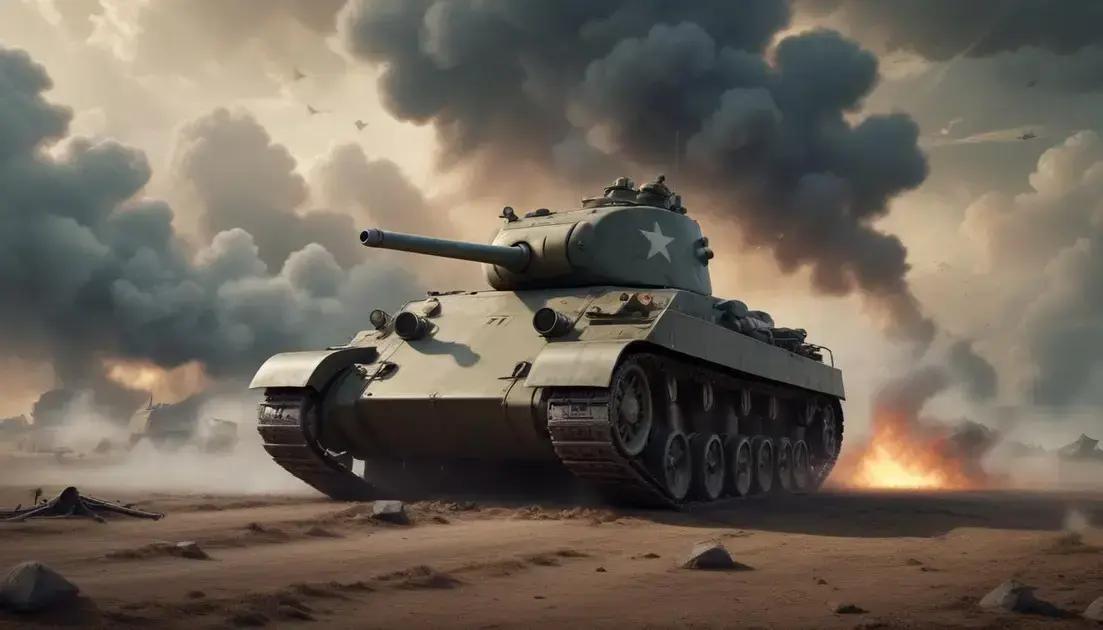
When gunpowder was introduced, it changed everything. Armies began to rely on artillery and firearms. This made close combat less effective. Now, strategies focused on range and firepower.
New Formations and Maneuvers
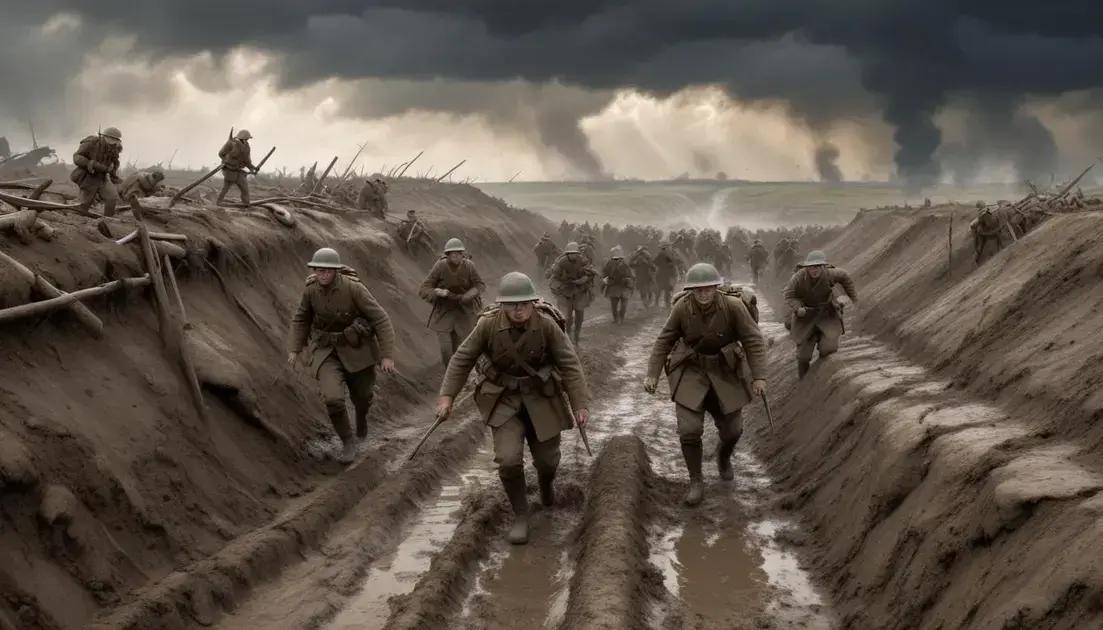
As weapons improved, so did formations. Troops adapted to protect themselves from artillery strikes. Lines of soldiers became more spread out for safety. This led to new combat tactics.
Air Power Evolution
The rise of air power brought another shift. Aircraft allowed for bombing enemy positions from above. Air superiority became a key goal in many battles. Control of the skies often determined the winner.
Modern Warfare Adjustments
In modern conflicts, technology plays a huge role. Drones and cyber warfare have added new layers. Strategies now include intelligence and electronic warfare. Information can be just as powerful as weapons.
Understanding these shifts helps us comprehend current conflicts. Each weapon pushes warfare forward, forcing changes in strategy. The dance between weapons and tactics will continue.
Ethical Dilemmas in Warfare
Ethical dilemmas in warfare are serious issues that need attention. Each new weapon poses questions about its use. The choices made can have lasting effects on people and societies.
The Consequences of New Weapons
When powerful weapons are used, civilians often suffer. Bombs and drones can hit unintended targets. This raises moral questions about the responsibility of military leaders.
International Laws and Warfare
International laws, like the Geneva Conventions, aim to protect civilians. However, many ignore these rules in conflicts. The challenge is making sure these laws are followed by all parties involved.
Technological Advancements
New technology brings more ethical challenges. For example, autonomous weapons can decide who to target. If machines make these decisions, who is accountable for the outcomes?
Debate on Justified Warfare
Some argue that certain wars are justified, while others see all conflict as wrong. This debate shapes how societies view military actions. Each side has valid points that deserve consideration.
Addressing these ethical dilemmas is crucial. Conversations about the morality of war help shape future actions. Understanding the impacts can lead to more humane approaches in conflict.
The Legacy of Scientific Advancements
The legacy of scientific advancements in warfare is profound. These inventions have shaped how battles are fought. They also change societies in unexpected ways.
Transforming Battlefields
New weapons often change the course of history. For example, the invention of the rifle made wars deadlier. Strategies evolved to include long-range attacks, which altered military tactics.
Technological Innovations
Technological advancements continue to improve warfare. Innovations like radar and satellites have changed how wars are fought. Now, intelligence can guide operations more effectively than ever.
Impact on Medicine
Scientific progress has also improved medicine in wars. Advances in medical care have saved countless lives. For example, battlefield medicine has evolved with better techniques for treating injuries.
Ethical Considerations
However, these advancements come with ethical questions. The use of advanced technologies raises concerns about civilian safety. Balancing progress with responsibility is key for future developments.
Understanding this legacy helps us learn from the past. Each scientific breakthrough brings lessons for future conflicts and peace efforts.
Conclusion
In conclusion, the legacy of scientific advancements in warfare has shaped history in many profound ways. Each new weapon changes military tactics and impacts societies around the world. While technological innovations have allowed for better strategies and medical care, they also bring important ethical questions.
By understanding these developments, we can learn from the past to create a more peaceful future. It’s essential to balance progress with responsibility. This way, we can ensure that advancements serve the greater good while preventing harm to innocent lives.