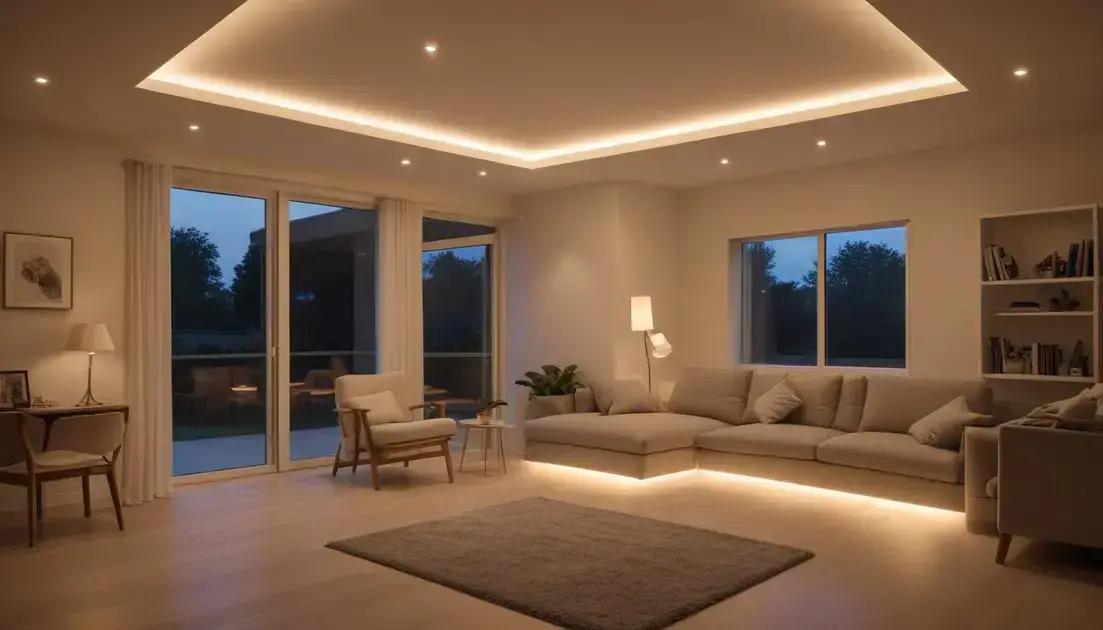
The LED: the American lighting revolution
LED technology is transforming modern lighting with its energy efficiency, long lifespan, and environmental benefits. Unlike traditional bulbs, LEDs consume significantly less electricity and last much longer, reducing waste and costs. Their low heat output makes them safer and more durable, contributing to a greener planet. Innovations in smart lighting and sustainable materials are shaping the future of LEDs, allowing for more personalized and eco-friendly lighting solutions. By switching to LED lighting, individuals and businesses can enjoy reduced energy bills while supporting a more sustainable future.
Are you ready to discover how LED technology is transforming the way we light our lives? This tiny diode isn’t just a light source; it’s a game changer. Let’s dive in!
Introduction to LED technology
LED technology is changing the way we illuminate our spaces. Unlike traditional light bulbs, LEDs use a small chip to produce light. This makes them more efficient and longer-lasting. Because they consume less energy, they help us save on electricity bills.
Have you ever wondered why LEDs are so popular? One reason is their versatility. You can find them in a variety of shapes, sizes, and colors. From streetlights to screens, LEDs are everywhere!
Another cool feature is their durability. LEDs are tough. They can withstand bumps and drops better than other bulbs. This means fewer replacements and less waste.
Plus, LEDs emit less heat. This is great for keeping your home cool in the summer. With lower heat output, there’s also less energy wasted. That’s a win for both your wallet and the planet!
Using LED lights can reduce your carbon footprint. They last up to 25 times longer than incandescent bulbs. This makes them a smart choice for anyone looking to go green.
So, whether you are lighting up your home, garden, or office, LED technology is the way to go. It is efficient, affordable, and environmentally friendly!
The history of lighting and the rise of LEDs
The history of lighting is quite fascinating. For many centuries, people used candles and oil lamps for light. These sources were not very bright and created smoke.
In the late 1800s, the invention of the light bulb changed everything. Thomas Edison and others worked hard to perfect it. This innovation made electric light popular. It allowed people to stay awake and work longer at night.
However, traditional light bulbs waste a lot of energy. They turn much of it into heat instead of light. This is where LEDs come in. They were invented back in the 1960s, but were not widely used for lighting at first.
Gradually, LEDs improved. By the 1990s, they became bright enough for everyday use. People started using LEDs for indicators and displays. It wasn’t long before they began to light up homes and streets.
Today, LEDs are the go-to option for lighting. They are energy-efficient and last a long time. The shift to LED technology has had a huge impact on how we illuminate our world.
LEDs are now found everywhere. From homes to businesses, they are making life brighter and more affordable. The rise of LEDs signals a new era in lighting, one that benefits both our pockets and the planet.
Benefits of LEDs over traditional lighting
LEDs offer many benefits compared to traditional lighting. One of the biggest advantages is energy efficiency. LEDs use up to 80% less energy than incandescent bulbs. This means lower electricity bills for you!
Another benefit is their long lifespan. LEDs can last up to 25,000 hours or more. In comparison, incandescent bulbs may only last around 1,000 hours. This means less hassle and fewer replacements.
LED lights also produce less heat. Traditional bulbs create heat, which wastes energy. With LEDs, most of the energy goes into producing light, making them cooler to the touch.
Additionally, LEDs are durable and tough. They are made with solid materials. This makes them resistant to damage from drops or bumps. Unlike glass bulbs, they are less likely to break.
Environmentally, LEDs are a great choice. They contain no toxic elements like mercury, which is found in some other bulbs. This means they are safer for the planet.
Finally, LEDs come in a wide range of colors and styles. You can find them for any space, mood, or occasion. From warm to cool white light, and even colorful options, there’s an LED for everyone.
Environmental impact of LED usage
The use of LEDs has a positive impact on the environment. First, they are energy-efficient. This means they use less electricity, which reduces energy consumption. When we use less energy, we lower greenhouse gas emissions.
Additionally, LEDs last much longer than traditional bulbs. This means fewer bulbs end up in landfills. With their long lifespan, we change them less often and create less waste.
Importantly, LEDs do not contain toxic materials like mercury. Many older bulbs, especially fluorescent ones, do. This makes LEDs a safer choice for the planet. They help avoid harmful chemicals from entering our environment.
LEDs also help in reducing light pollution. Higher efficiency allows for better control of light direction. This means we can light our homes and streets without wasting light into the sky.
By choosing LED lighting, we contribute to a healthier planet. Every little change counts. Switching to LEDs is a simple step toward brighter, more sustainable living.
Future of LED technology
The future of LED technology looks bright and exciting. As we move forward, innovations will make LEDs even more efficient. New materials and designs are being created to enhance their performance.
One major trend is smart lighting. This technology allows you to control your lights remotely. You can adjust brightness and colors right from your phone.
Another area of growth is in sustainable lighting. Companies are finding ways to make LEDs from recycled materials. This helps reduce waste and promotes a greener planet.
Additionally, we can expect more integration with renewable energy. LEDs will work better with solar power systems. This pairing can lead to self-sustaining lighting solutions.
Color-changing LEDs are becoming popular too. They can match your mood or the occasion. This will make lighting more personalized and enjoyable.
Overall, the innovation in LED technology promises to change our spaces. With new advancements, we’ll enjoy even better lighting that is efficient and eco-friendly.
Conclusion
In conclusion, LED technology is revolutionizing the way we light our world. With its energy efficiency and long lifespan, LEDs provide many benefits over traditional lighting. As we’ve seen, they not only save money but also help protect the environment.
The future of LEDs is bright, with exciting developments like smart lighting and sustainable materials on the horizon. These innovations promise to make our lives easier and our homes more energy-efficient.
By embracing LED technology, we can enjoy better lighting while contributing to a healthier planet. Every small switch to LEDs counts, so let’s continue to make the change for a brighter, more sustainable future.