The Long Fight for Women’s Right to Vote
The fight for women’s suffrage has played a crucial role in shaping modern society by granting women the right to vote, significantly impacting politics and social norms. Though the 19th Amendment was ratified in 1920, voting rights issues persist, particularly for marginalized groups. Advocates continue to push for equality and fair access to voting, ensuring that every voice is heard. Understanding this history is vital for supporting ongoing efforts toward gender equality in democracy.
In the quest for voting rights, generations of women have fought for equality. This struggle is not just historical; it’s still relevant today. Join us as we explore their courageous journey.
Introduction to Women’s Suffrage
Women’s suffrage began as a dream—a dream for equal rights. In the early days, women were often seen as caretakers, limited to their homes. But many women wanted more. They wanted a say in decisions that affected their lives.
In the 19th century, women started to voice their demands. They held meetings, gave speeches, and wrote letters. Their goals were clear: the right to vote and the belief that women deserve equality.
One of the largest gatherings was in Seneca Falls, New York, in 1848. Here, leaders like Elizabeth Cady Stanton and Lucretia Mott invited many people to join. They outlined their ideas in the Declaration of Sentiments.
This document declared that women should have the same rights as men, focusing on education, work, and voting.
As time passed, more women got involved. They rallied, marched, and fought for their voices to be heard. Their courage inspired many. Even when faced with opposition, they never gave up.
The struggle for women’s suffrage didn’t happen overnight. It took decades of hard work and dedication. Each victory brought them one step closer to equality.
Historical Background
The fight for women’s suffrage dates back to the early 19th century. At that time, society had strict rules. Women were often not allowed to own property or have careers. Their rights were limited in many ways.
During this period, many women began to notice their lack of rights. They saw that men had control over votes and decisions. This realization sparked a desire for change.
In 1848, a significant meeting happened in Seneca Falls, New York. This event brought together many women and some supportive men. They discussed their rights and created the Declaration of Sentiments, which called for equal rights.
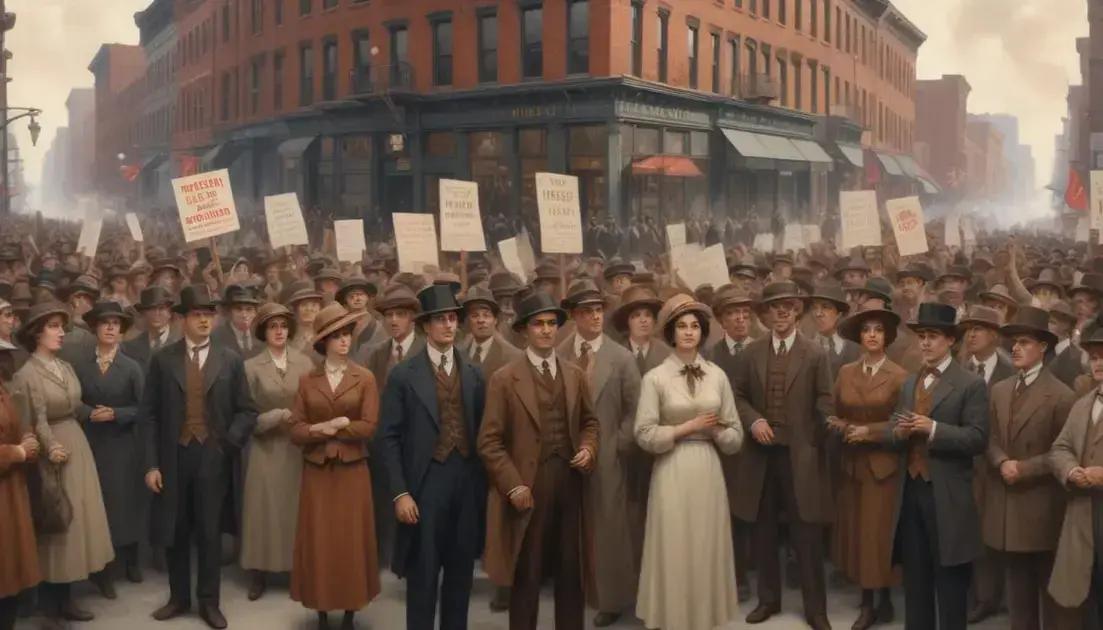
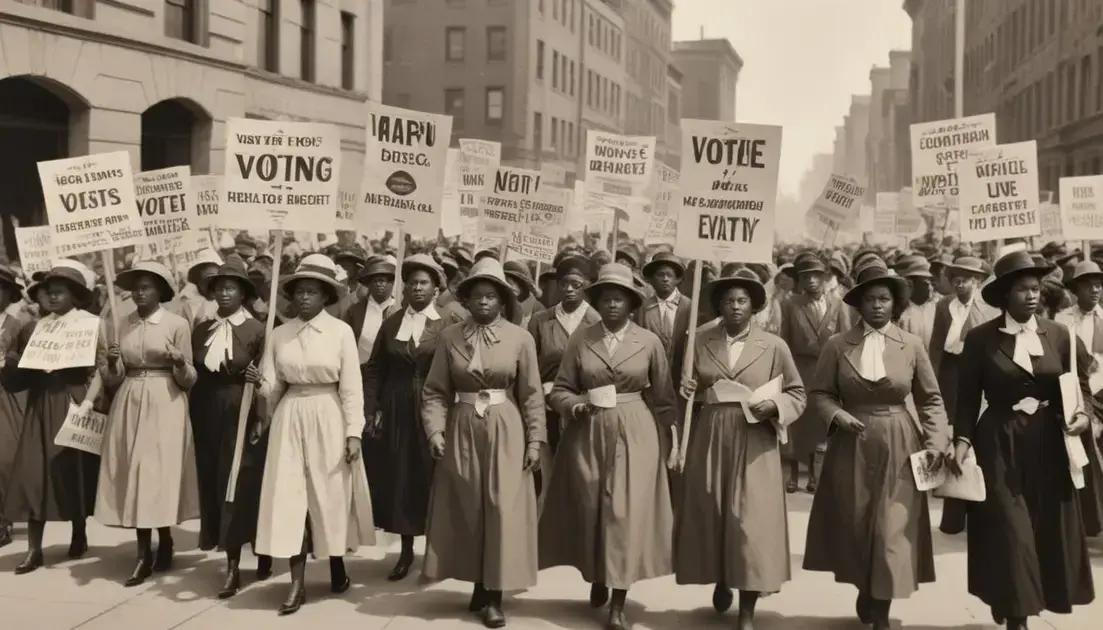
As the years went by, women organized more meetings and rallies. They used peaceful protests to get their message out. Their bravery inspired many others to join the cause.
By the late 1800s, women’s suffrage groups formed across the country. These groups focused on spreading the word about voting rights. They aimed to educate the public on the importance of including women in the voting process.
The journey toward women’s suffrage wasn’t always easy. Activists faced criticism and even hostility. But they stood firm in their beliefs, knowing their fight was just.
Key Figures in the Movement
Many strong women played a big role in the fight for women’s suffrage. These women worked hard to change the way society viewed their rights.
One important figure is Elizabeth Cady Stanton. She was a leader who helped organize the Seneca Falls Convention in 1848. Stanton wrote the Declaration of Sentiments, which called for women’s equality and voting rights.
Susan B. Anthony is another key person. She worked closely with Stanton and traveled widely to speak about women’s rights. She often faced arrest for her actions, but she never backed down.
Sojourner Truth, an escaped slave, also spoke out for women’s rights. Her famous speech, “Ain’t I a Woman?” highlighted the struggles of both women and African Americans.
Lucy Stone was known for her powerful speeches, too. She focused on the importance of women’s education and was a strong advocate for their right to vote.
These women, along with many others, pushed the movement forward. Their courage and dedication helped change the perception of women’s roles in society, bringing attention to the fight for women’s suffrage.
Major Milestones
The journey for women’s suffrage included many major milestones. These events marked important progress in the fight for equality.
One key milestone was the Seneca Falls Convention in 1848. It was the first convention organized specifically for women’s rights. Here, activists laid out their goals and demands.
In 1850, the first national women’s rights convention took place in Worcester, Massachusetts. This event helped spread the message and formed connections among activists.
The publication of the Women’s Journal in 1870 was another big step. It provided a platform for women to share their stories and ideas about suffrage and other rights.
In 1890, two major organizations merged to form the National American Woman Suffrage Association (NAWSA). This group united efforts to fight for women’s voting rights across the country.
A historic moment came in 1920 when the 19th Amendment was ratified. This amendment granted women the right to vote throughout the United States. Many activists celebrated this hard-earned victory.
Despite this milestone, the fight continued. Many women, especially women of color, faced barriers. Their struggle for equal rights persisted, showing that the fight for women’s suffrage was far from over.
Impact on Society
The fight for women’s suffrage greatly impacted society in many ways. It changed how women were viewed and treated.
First, gaining the right to vote gave women a voice. This allowed them to influence laws and policies that affected their lives.
More women participating in elections meant new ideas and perspectives came to light. Society began to see the importance of women’s input in governance.
The suffrage movement also inspired other rights movements. People started to fight for labor rights, racial equality, and more. Women’s empowerment became a vital part of the broader social changes.
Women’s suffrage highlighted issues like education and work. With the right to vote, women were encouraged to pursue higher education and careers. This shift led to increased opportunities for women in various fields.
As women made strides in politics, they broke traditional gender roles. This change encouraged future generations to challenge norms and seek equality.
Overall, the impact of women’s suffrage reached far beyond the right to vote. It laid the groundwork for future advancements in women’s rights and shaped society’s views on gender equality.
Current Status of Voting Rights
The current status of voting rights shows both progress and challenges. Although many gains were made, issues remain today.
In the United States, the 19th Amendment granted women the right to vote in 1920. This was a huge victory for the suffrage movement.
However, even with this right, many women faced barriers. Factors like race and class often affected their ability to vote. Discrimination in voting still existed.
Today, laws have changed to help protect voting rights. The Voting Rights Act of 1965 aimed to eliminate barriers, such as literacy tests and poll taxes. This law helped many people, especially minorities, gain access to the polls.
In recent years, some states have made changes that affect voting rights. Laws around voter ID and registration can create confusion. These changes often spark debates about fairness and access.
Many groups work to ensure fair voting practices. They monitor elections and fight against unfair laws. Their goal is to make sure everyone can vote without obstacles.
Overall, while significant progress has been made, the fight for voting rights continues. Advocates strive for a system where every voice is heard and every vote counts.
Conclusion
In conclusion, the journey for women’s suffrage has shaped our society in many ways. From early activists like Elizabeth Cady Stanton and Susan B. Anthony to the ratification of the 19th Amendment, their hard work has made a lasting impact.
Today, while we see progress, the fight for voting rights continues. Issues like accessibility and fairness can still create barriers for many. It’s important to stay informed and advocate for change.
As we look to the future, we must remember that every vote matters. Ensuring that everyone can exercise their right to vote is key to a healthy democracy. By understanding this history, we can continue to support equality and inclusion for all.