The Marshall Plan: rebuilding Europe with power and money
The Marshall Plan significantly transformed Europe after World War II by providing over $13 billion in aid, promoting economic recovery, political stability, and social changes. It helped rebuild nations, create jobs, and strengthen democratic practices while countering communism. The legacy of this plan is evident in modern international aid strategies, emphasizing long-term support and cooperation among countries to foster sustainable growth and peace.
Ever heard of the Marshall Plan? It’s a pivotal moment in history that reshaped Europe after World War II. Let’s unravel how this bold initiative pulled nations from the brink of collapse!
Introduction to the Marshall Plan
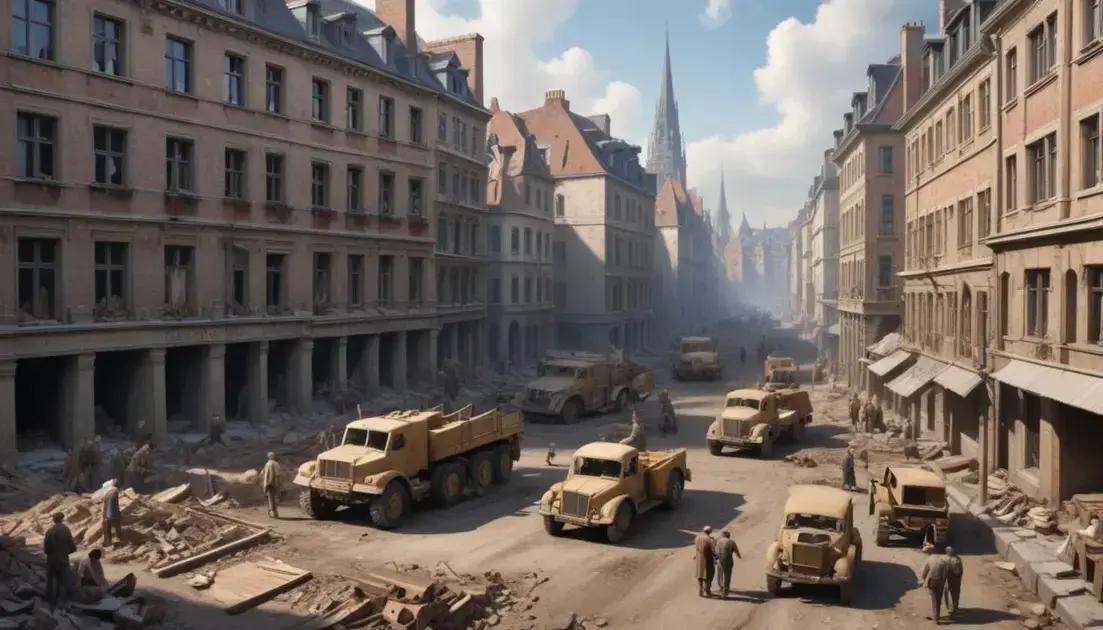
The Marshall Plan was a landmark initiative in history. After World War II, many European countries faced severe economic challenges. They needed help to rebuild their nations and recover from the war’s devastation.
Launched in 1948, this plan provided financial aid to 16 European countries. The goal was simple: to help these nations recover economically. By investing in their recovery, the U.S. sought to promote stability and prevent the spread of communism.
How It Worked
The U.S. government allocated over $13 billion to help rebuild Europe. This funding supported food, fuel, and materials to revive industries and economies. It focused not just on recovery but also on modernization.
Countries had to create plans to use the funds effectively. They needed to show how they would spend the money to promote growth and stability. This helped build trust between the U.S. and these recovering nations.
The Impact
The impact of the Marshall Plan was significant. It helped countries like France and West Germany recover rapidly. The economies of these nations started to grow, leading to more jobs and better living standards.
Additionally, it strengthened political ties between the U.S. and Western Europe. Countries that received aid became more integrated into the global economy.
Economic Impacts on Europe
The Marshall Plan had a huge impact on Europe’s economy after World War II. It aimed to restore industrial and agricultural production. This aid provided countries with vital resources to rebuild their economies.
One major benefit was job creation. As industries reopened, people found work again. This increased spending boosted local economies. Families could buy food and pay for essentials, which made life better.
The funds also helped modernize infrastructures, like roads and railways. This modernization made transportation easier and reduced costs. Stronger infrastructure allowed businesses to grow faster.
Reviving Trade
With the recovery, trade between countries also picked up. Countries that benefited from the Marshall Plan started to sell goods to each other again. This growth in trade strengthened ties across Europe.
By working together, European nations rebuilt trust and cooperation. This spirit paved the way for future partnerships, such as the European Union.
Long-term Effects
The long-term effects of the Marshall Plan are still seen today. Economies that received aid became some of the strongest in the world. They transformed from war-torn nations into thriving nations.
Overall, the economic boost from the Marshall Plan set the stage for Europe’s growth in the second half of the 20th century. It also showed how international aid can lead to recovery and prosperity.
Political Consequences
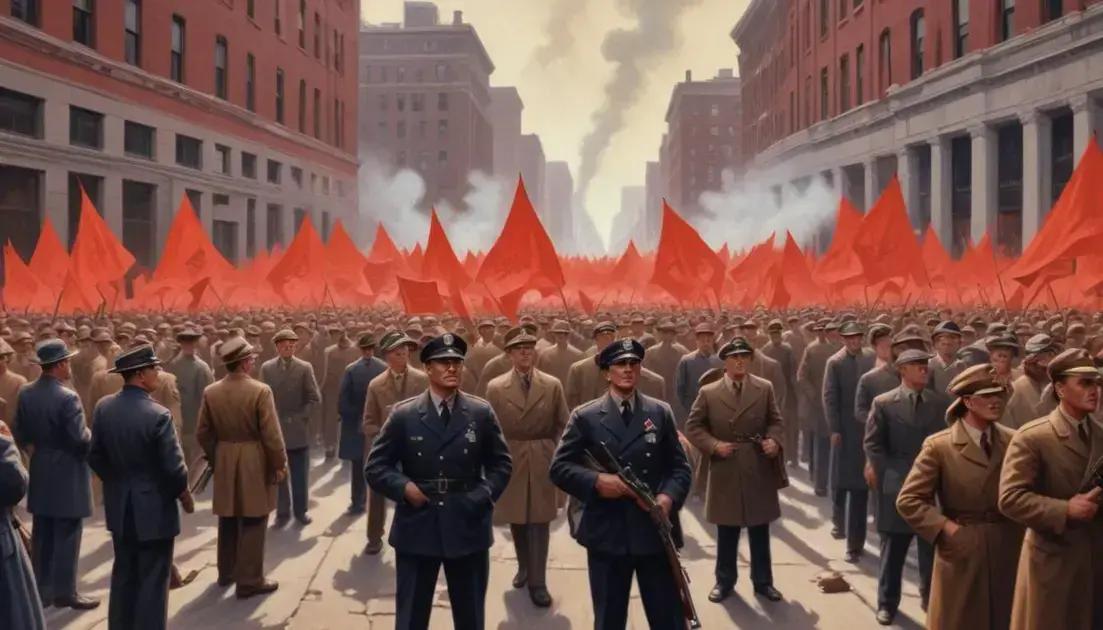
The Marshall Plan wasn’t just about money. It had serious political consequences for Europe, too. By providing aid, the U.S. wanted to promote democracy and prevent the spread of communism.
One major effect was the strengthening of political ties between Western European countries and the United States. Nations that received aid began to align more with U.S. policies. This shift shaped the geopolitical landscape in the years that followed.
Establishing Alliances
The aid helped countries rebuild not just their economies but also their governments. U.S. support encouraged political stability and democratic practices. This made these nations stronger allies for years to come.
As European countries worked together, they formed stronger alliances. This cooperation laid the groundwork for later organizations like NATO. Such alliances aimed to protect against potential threats from the Soviet Union.
Countering Communism
Another important aspect was countering the spread of communism in Europe. Countries that struggled economically were more susceptible. By providing support, the U.S. helped these countries resist communist influence and maintain their independence.
The political stability gained through the Marshall Plan kept many nations from falling into the Soviet sphere. This shift in alliances was crucial during the Cold War.
Social Changes in Post-War Europe
The Marshall Plan brought many social changes to post-war Europe. It didn’t just support economies; it changed lives. With the help of U.S. aid, countries rebuilt not only their buildings but also their communities.
As economies grew, people started to feel more secure. Jobs became available, and families could afford better living conditions. This sense of security allowed people to think about the future and improve their education.
Education and Opportunities
The extra resources resulted in more schools and universities. Families valued education more, leading many young people to pursue higher learning. This focus on education helped create a skilled workforce for the future.
Women also saw changes during this time. With men away during the war, many women took on roles in factories and offices. After the war, they continued to work outside the home, which shifted traditional gender roles.
Community and Cooperation
Rebuilding efforts encouraged people to work together. Communities became united in their desire to restore their towns and cities. This cooperation led to stronger social bonds and friendships across national lines.
People began to see the importance of collaboration for peace. Many former rivals started seeing each other as partners. This new mindset helped pave the way for future cooperation in Europe.
Legacy of the Marshall Plan
The Marshall Plan left a lasting legacy in Europe and beyond. It changed the way countries view international aid. Instead of just temporary relief, it showed the importance of long-term support for recovery.
Many nations that received aid became strong, vibrant economies. They learned that cooperation and investment could lead to lasting peace and stability. These lessons are still relevant today.
Modern Aid Initiatives
Today, the Marshall Plan is often referenced when discussing modern aid. Countries now focus on rebuilding through economic support and not just giving food or shelter. This approach aims for sustainable growth.
Programs like the European Union were influenced by the success of the Marshall Plan. They promote unity and economic cooperation among countries. This helps prevent conflict and encourages collaboration.
Global Influence
The ideas from the Marshall Plan have inspired efforts around the world. Many countries recognize the need for support after crises. This has led to more comprehensive strategies that help nations recover and grow.
Overall, the impact of the Marshall Plan is visible in how countries work together today. Its principles of cooperation and long-term investment in recovery remain vital.
Conclusion
In conclusion, the legacy of the Marshall Plan is more than just a historical event. It reshaped Europe and showed the power of long-term support. The lessons learned continue to guide international aid today.
By focusing on cooperation and sustainable growth, nations can rebuild after crises. This approach has led to stronger economies and better relationships among countries. The principles of the Marshall Plan are vital in today’s world, as countries face new challenges.
Overall, the impact of the Marshall Plan is still felt today. It inspires modern aid initiatives and highlights the need for lasting partnerships that foster peace and prosperity.