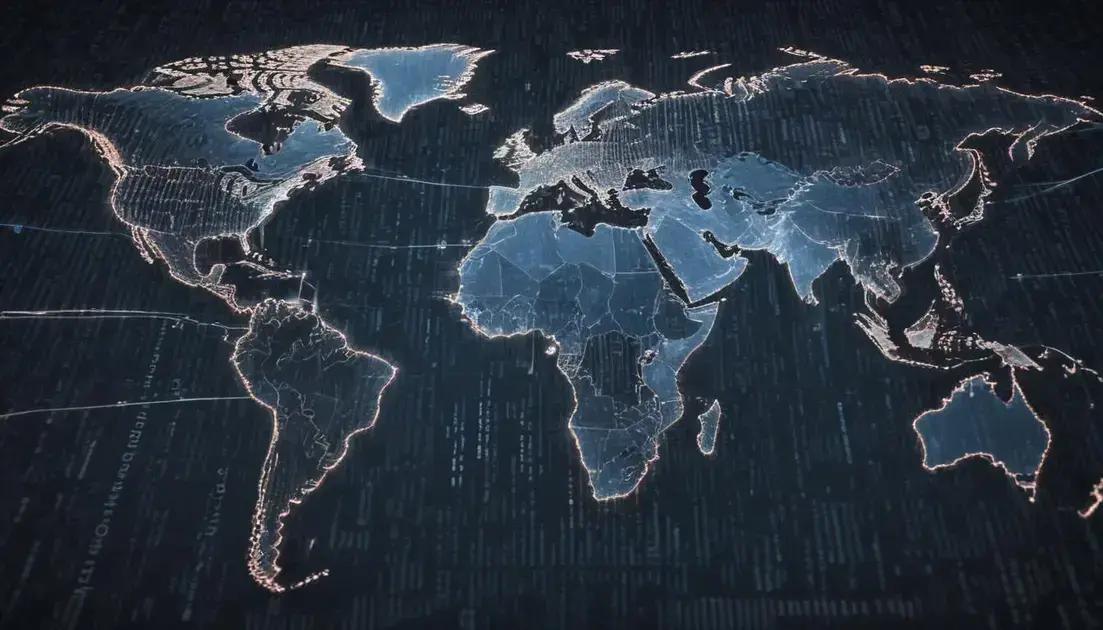
The new Cold War: AI, data, and digital dominance
The future of international relations is being reshaped by technology and the rising influence of emerging powers like China and India. Digital tools enhance communication and enable faster decision-making between countries. Global challenges, such as climate change and pandemics, require collective action, leading to a shift towards multilateralism where nations collaborate more closely. Understanding these dynamics is critical for navigating the evolving geopolitical landscape.
In this era of Digital Dominance, the struggle for global influence has shifted from traditional warfare to a battleground of chips and algorithms. Are you ready to explore this fascinating shift?
The Rise of AI in Global Strategy
The rise of AI in global strategy marks a significant change in how countries compete for power and influence. Nations are now using AI to gain an upper hand in various fields, including military, economics, and politics.
Military Applications of AI
Countries are increasingly adding AI in military operations. For example, AI can improve surveillance and analyze data faster than humans. It allows for quicker decision-making in critical situations.
Economic Advantages
On the economic front, AI helps nations optimize their industries. Using data-driven insights, countries can enhance productivity and innovation. This means they can produce goods faster and more efficiently.
Political Strategies
Politically, AI is changing how campaigns are run. Candidates use data analytics to target voters better and tailor messages accordingly. This level of personalization can sway public opinion significantly.
The Global Race
As nations invest heavily in AI, a global race emerges. The competition isn’t just about technology; it’s also about economic strength and national security. Countries leading in AI might dictate the terms of future global interactions.
In summary, the integration of AI into global strategy is transforming everything. From military advancements to economic improvements and political maneuvers, it is a game-changer for nations worldwide.
Data as the New Gold
Data is often called the new gold because it holds immense value in today’s world. Companies and governments use data to make important decisions and drive their strategies.
Why Data Matters
Every day, we generate tons of data through our online activities. This information helps businesses understand their customers better. When companies know what people want, they can create better products and services.
Data in Business
In the business world, analyzing data can lead to better sales and marketing strategies. By understanding trends and customer behavior, companies can target their audience more effectively.
Government and Data
Governments also see data as essential. They use it to improve public services and enhance security. For instance, data analysis can help identify crime patterns, allowing for better resource allocation.
Privacy Concerns
While data is valuable, it comes with risks. Privacy concerns are growing as people worry about how their personal information is used. Companies must ensure they handle data responsibly and transparently.
In summary, data is indeed the new gold. It shapes how businesses operate and how governments serve their citizens. Managing it wisely is key to unlocking its full potential.
Defining Digital Warfare
Digital warfare is a new way countries and organizations compete. It’s not about bombs and bullets anymore. Instead, it involves cyberattacks, hacking, and information warfare.
What is Digital Warfare?
Digital warfare uses technology to disrupt an opponent’s operations. This can include stealing sensitive information or damaging critical systems. Hacking can target anything from a company’s database to a country’s infrastructure.
Methods of Attack
One common method is phishing, where attackers trick people into giving up personal data. Another approach involves deploying malware, which can damage computers or steal information without users knowing.
Impact on Society
The impact of digital warfare is far-reaching. Businesses can suffer financial losses, and governments may face public unrest. When trust is lost, it takes time to rebuild.
Preparing for Digital Threats
Organizations need to strengthen their defenses. This includes training employees to recognize threats and investing in robust cybersecurity measures. A solid plan can help protect against potential attacks.
In today’s world, being aware of digital warfare is crucial. Understanding the risks allows everyone to play a part in protecting our digital spaces.
Tech Giants: The New Superpowers
Tech giants have become the new superpowers in our modern world. Companies like Google, Amazon, and Facebook influence how we communicate, shop, and even think.
The Power of Data
These companies collect vast amounts of data daily. They use this information to tailor their services and products to meet our needs. This level of personalization keeps users engaged and loyal.
Driving Innovation
Tech giants lead the way in innovation. They invest heavily in research and development. This drives new technologies that change how we live and work.
Global Reach
These companies operate worldwide, impacting economies and societies everywhere. They create jobs, but also raise questions about privacy and security. Many people worry about the power they hold.
Challenges and Responsibility
As new superpowers, tech giants face scrutiny. Governments and users want them to act responsibly. Regulations are being discussed to ensure they protect user privacy while fostering innovation.
In short, tech giants are much more than companies. They shape our world and define trends for the future. Understanding their role is vital for navigating the digital age.
The Future Landscape of International Relations
The future landscape of international relations is changing rapidly. With technology, countries interact differently than before. Digital tools influence diplomacy, trade, and security matters.
Technology’s Role
Technology enables faster communication between nations. Video calls and social media allow leaders to connect instantly. This means decisions can be made more quickly than ever.
Emerging Powers
Some countries are rising to power. Nations like China and India are gaining influence on the world stage. Their growing economies and military capabilities are reshaping global dynamics.
Global Challenges
Global issues like climate change and pandemics require cooperation. Countries must work together to solve these problems. Collaboration is key for a stable future in international relations.
The Shift to Multilateralism
There’s a shift toward multilateralism, where multiple countries work together. This approach can lead to more effective solutions. It encourages nations to build partnerships based on shared interests.
In summary, the future of international relations relies heavily on technology and cooperation. Understanding these trends is vital for navigating tomorrow’s global landscape.
Conclusion
In conclusion, the landscape of international relations is evolving rapidly. With technology shaping how countries interact, it’s vital to understand these changes. Nations are using digital tools to connect and address global challenges together.
As emerging powers gain influence, cooperation among countries becomes even more important. By working together on issues like climate change, countries can create a more stable future. Multilateralism will be key in tackling these challenges.
Staying informed about these trends will help navigate the complex world of international relations. Embracing new technologies and fostering collaboration will lead to a brighter and more connected world.