The Old Kingdom: when pyramids reached the sky
The pyramids of Ancient Egypt are remarkable architectural achievements that served as monumental tombs for pharaohs. These structures were built using advanced techniques that showcased the Egyptians’ knowledge of geometry, innovative tools, and strong organization. Pharaohs played pivotal roles as political and religious leaders, influencing the culture deeply while preparing for their afterlife through elaborate tomb construction. The cultural significance of the pyramids and their innovative architecture continues to inspire awe and fascination today.
Ancient Egypt is famed for its monumental architecture that defined its glory. What drove these incredible achievements? Let’s uncover the stories behind the pyramids!
The Rise of the Old Kingdom
The Old Kingdom was a pivotal time in Ancient Egypt when powerful pharaohs unified the land. This era is often called the “Age of the Pyramids.” During this time, the rulers focused on building impressive tombs and monuments.
The Unification of Egypt
The rise of the Old Kingdom began with Narmer, who is known for uniting Upper and Lower Egypt. He established a strong central government that lasted for centuries. This unity allowed for great achievements in art, architecture, and culture.
Pharaohs and Their Power
Pharaohs were seen as both god and king. They had absolute power and were responsible for maintaining order and harmony, known as “maat.” This belief in divine leadership helped solidify their rule and enabled large-scale projects.
Construction of Great Monuments
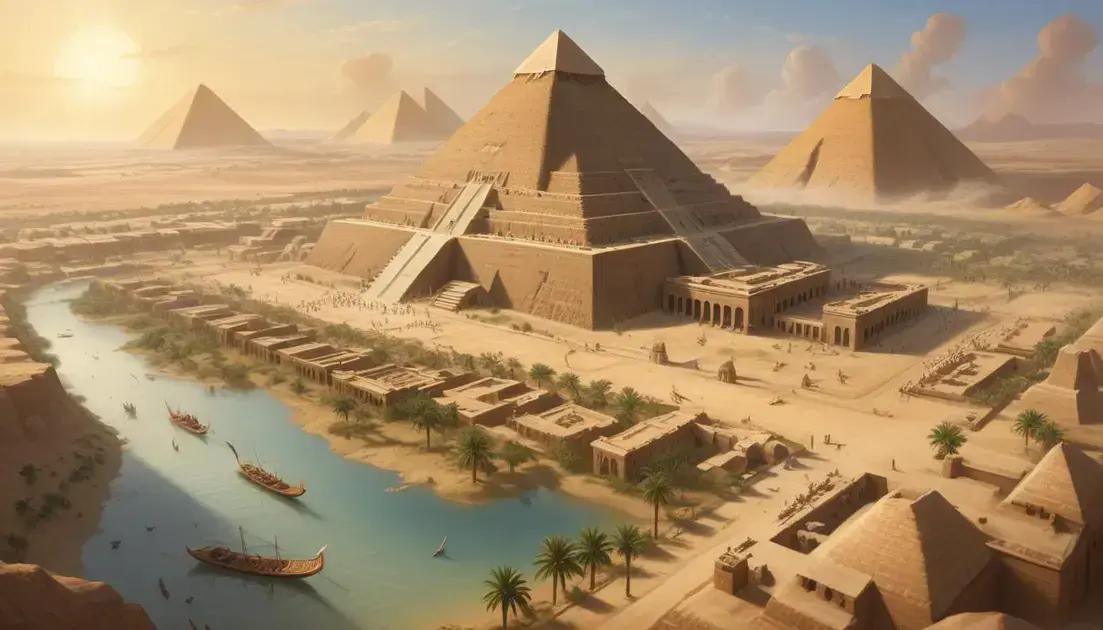
During the Old Kingdom, many monumental structures were built, including the famous pyramids at Giza. These structures were extraordinary feats of engineering and reflected the wealth and power of the pharaohs. Each pyramid was designed as a grand tomb for a pharaoh, showcasing the belief in the afterlife.
Workers used simple tools and methods to construct these massive structures. They moved huge stones from quarries and transported them over long distances. The organization required for these projects was impressive, involving skilled laborers and support staff.
The Cultural Flourishing
The Old Kingdom was not just about pyramids. It was a time of cultural growth. Art and writing flourished, resulting in beautiful statues, carvings, and hieroglyphs. These works displayed the daily life and beliefs of ancient Egyptians, preserving their stories for future generations.
Overall, the rise of the Old Kingdom laid the foundation for Ancient Egypt’s civilization, influencing future generations with its culture and monumental architecture.
Construction of the Pyramids
The construction of the pyramids was an incredible achievement of Ancient Egypt. These massive structures were built using precise engineering methods. Each pyramid served as a tomb for a pharaoh, showcasing their power and wealth.
How Were They Built?
Workers used simple tools, like chisels and sledges, to cut and transport huge stones. They moved these stones from faraway quarries. Teams of laborers worked in unison to lift and position the blocks with impressive accuracy.
Organizing the Workforce
A large workforce was necessary for pyramid construction. Estimates suggest tens of thousands of workers took part in this effort. Many were skilled craftsmen, while others were unskilled laborers. They worked in rotations, ensuring that the project could continue day and night.
The Design Process
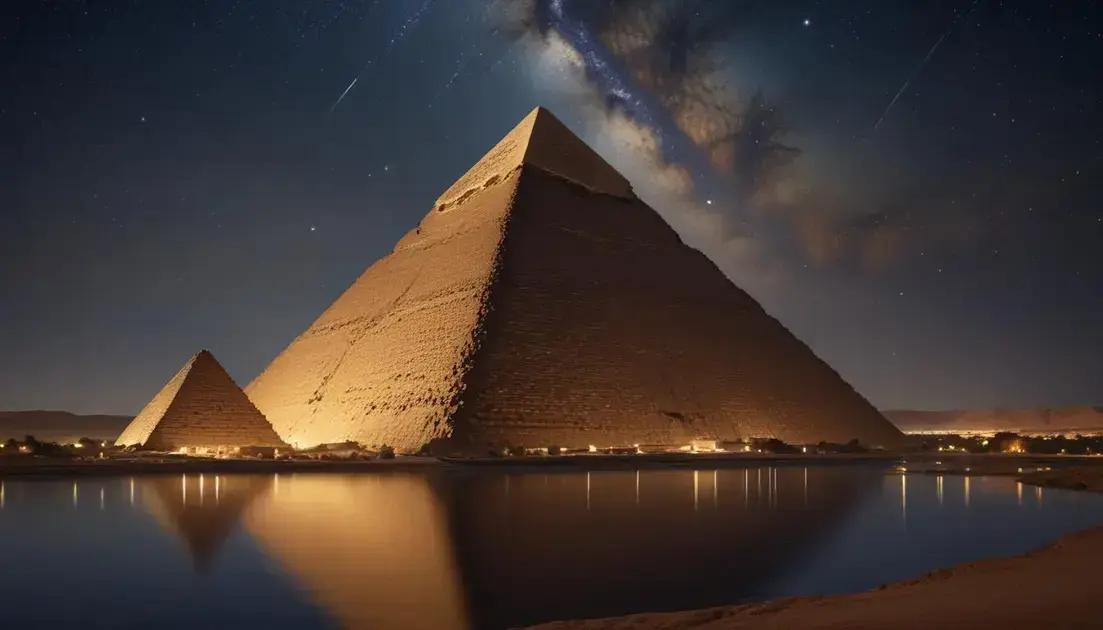
The design of each pyramid was carefully planned. Architects and engineers developed precise blueprints before construction began. They paid special attention to the orientation of the pyramids, aligning them with celestial bodies to enhance their significance.
Large Scale Operations
Building a pyramid involved complex logistics. Food, tools, and materials needed to be managed effectively. Workers received rations of bread and beer to keep them strong and motivated. This organization was crucial to maintaining morale and productivity.
Once the pyramid was completed, it symbolized the pharaoh’s journey to the afterlife. The construction of these monumental tombs left a lasting legacy in Ancient Egyptian history, attracting attention even today.
Cultural Significance of the Pyramids
The pyramids held great cultural significance in Ancient Egypt. They were more than just tombs; they represented the pharaoh’s journey to the afterlife. Each pyramid was a powerful symbol of strength and immortality.
Connection to the Afterlife
Ancient Egyptians believed in life after death. Pyramids were designed to help pharaohs transition to the next world. They contained chambers filled with items for the pharaoh to use in their afterlife.
Religious Beliefs
The pyramids were also tied to Egyptian religion. They represented the rays of the sun shining down on the pharaoh. This connection linked the rulers to the sun god, Ra, affirming their divine status.
Symbols of Power
Pyramids showcased the power of pharaohs. Their size and grandeur symbolized wealth and authority. Building these structures required immense resources and labor, reflecting the pharaoh’s ability to command and organize.
These monumental achievements remained a crucial part of Egyptian identity. The pyramids inspire awe and respect. They represent not just the greatness of the rulers, but also the incredible skills of the people who built them.
Influence on Art and Architecture
The design and construction of the pyramids influenced future generations. Their unique architectural style inspired other structures, including temples and tombs. Artists depicted them in carvings and paintings, solidifying their place in Egyptian culture.
The cultural significance of the pyramids extends beyond Egypt. They are now a symbol of ancient civilizations worldwide, attracting millions of visitors each year and leaving a lasting legacy in history.
The Pharaohs and Their Roles
The pharaohs were central figures in Ancient Egypt. They were seen as both leaders and gods. This unique role shaped their responsibilities and how people viewed them.
Political Leaders
Pharaohs governed with absolute power. They made laws and collected taxes to support their vast kingdom. Their decisions affected every aspect of life in Egypt.
Religious Leaders
Pharaohs served as high priests of the state religion. They performed rituals to honor the gods and ensure harmony. People believed they had a special connection with the divine.
Military Commanders
Many pharaohs led their armies in battles to protect Egypt. They expanded the kingdom through military conquests. Successful pharaohs gained glory, proving their strength and fate in the world.
Builders and Patron of Arts
Pharaohs were also great builders. They commissioned the construction of temples, monuments, and pyramids. These grand structures showcased their power and promoted their legacy.
They supported artists and architects, allowing culture to flourish. Art reflected their divine nature and preserved stories of their lives for future generations.
Guardians of the Afterlife
Pharaohs believed in the afterlife. They prepared for it by constructing elaborate tombs. Their pyramids were designed to protect their bodies and belongings for eternity.
This preparation showed their deep faith in life after death. It helped keep the beliefs and traditions of Ancient Egypt alive.
Architectural Innovations
Architectural innovations were a key part of building the pyramids in Ancient Egypt. These advancements helped create structures that still amaze us today.
Use of Geometry
Ancient Egyptians had a strong understanding of geometry. They used this knowledge to create precise designs for the pyramids. Geometry ensured that each pyramid was perfectly aligned and balanced.
Advanced Construction Techniques
The construction techniques were impressive for their time. Workers used ramps to move heavy stones into place. Different types of ramps, like straight and zigzag, made lifting easier.
Material Selection
They carefully chose materials for their buildings. Limestone and granite were common choices because they were strong and durable. These materials added to the longevity of the pyramids.
Innovative Tools
Simple tools were used for construction, but they were effective. Chisels and wooden sledges played crucial roles in cutting and transporting stones. The design of these tools was advanced for the era.
Planning and Organization
Pyramid construction required precise planning. Architects created blueprints long before the first stone was cut. Organization ensured that thousands of workers moved smoothly and efficiently.
These architectural innovations set the foundation for future constructions. They influenced building techniques for centuries to come, showing the genius of Ancient Egyptian engineering.
Conclusion
In conclusion, the remarkable achievements of the Ancient Egyptians in architecture and culture continue to inspire us today. The construction of the pyramids showcases their advanced knowledge of geometry, innovative tools, and effective techniques. These monumental structures were not just tombs; they also symbolized power and beliefs about the afterlife.
Pharaohs played vital roles as leaders in politics and religion, guiding their people with strength and vision. The cultural significance of the pyramids reflects the rich history and traditions of Ancient Egypt. Their architectural innovations set the stage for future advancements in construction.
By studying these ancient wonders, we gain insights into the incredible skills and creativity of those who built them. The legacy of the pyramids remains a testament to the ingenuity and artistry of a civilization that continues to captivate our imagination.