The Papacy: how Rome became Christianity’s center
The papacy plays a crucial role in global Christianity today, addressing significant issues such as social justice, environmental concerns, and interfaith dialogue. The pope’s influence extends beyond spiritual leadership, actively engaging with contemporary challenges. By advocating for global health and unity, the papacy encourages individuals to contribute positively to their communities and work toward a better future for all.
Papacy is not just a title; it’s a journey that traces back to the very roots of Christianity. Curious about how it transformed Rome into a spiritual powerhouse? Let’s dive in!
The Origins of the Papacy
The Origins of the Papacy trace back to the early days of Christianity. It started as a small movement among followers of Jesus Christ. The original apostles were the first leaders of this group. They preached and spread Jesus’ teachings.
As the message of Christianity grew, so did the need for leadership. The Bishop of Rome, often called the Pope, emerged as a key figure. This was partly due to the belief that Peter, one of Jesus’ closest disciples, was the first bishop of Rome.
In the early church, there was not one single leader. Different communities had their own bishops. However, the Bishop of Rome began to gain respect as a strong leader. This influence stems from Rome being the capital of the Roman Empire.
Over time, the pope became a symbol of unity. He represented all Christians in the West. By the 2nd century, many Christians believed that the Bishop of Rome had special authority. They thought he could help resolve disputes in the church.
The relationship between the church and the Roman Empire played a big role too. When Christianity became the official religion of the empire, the papacy gained power. Emperors and popes began to work together, solidifying the pope’s influence.
As we look at the Origins of the Papacy, it reveals a time of growth and transition. The papacy transformed from a collection of local leaders into a centralized authority. This set the stage for centuries of influence over the Christian world.
The Role of Rome in Christianity
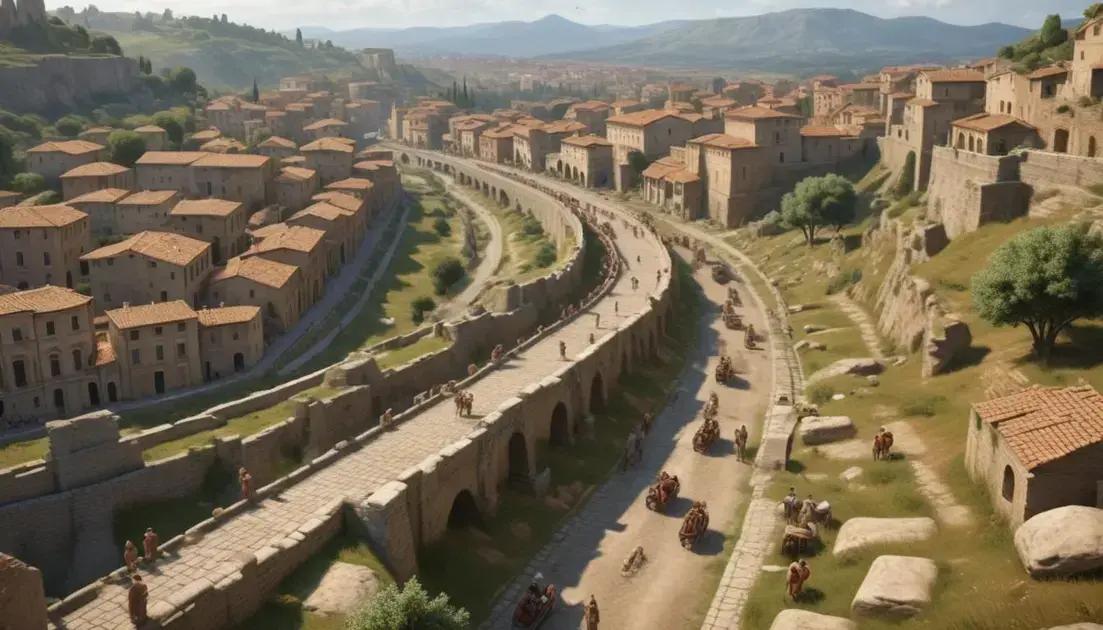
The Role of Rome in Christianity has been vital throughout history. Rome was the heart of the Roman Empire. This made it a central place for early Christians to gather.
As Christianity grew, Rome became a spiritual center. Many leaders and thinkers came from this city. They helped shape Christian beliefs and practices.
One key factor was the connection to the Apostles. Many believed that Peter, who was one of Jesus’ closest followers, became the first Bishop of Rome. This strengthened Rome’s position in the Christian world.
The Roman Empire also influenced the spread of Christianity. When Emperor Constantine accepted Christianity, it changed everything. Christianity was no longer a hidden faith. It became the officially supported religion of the empire.
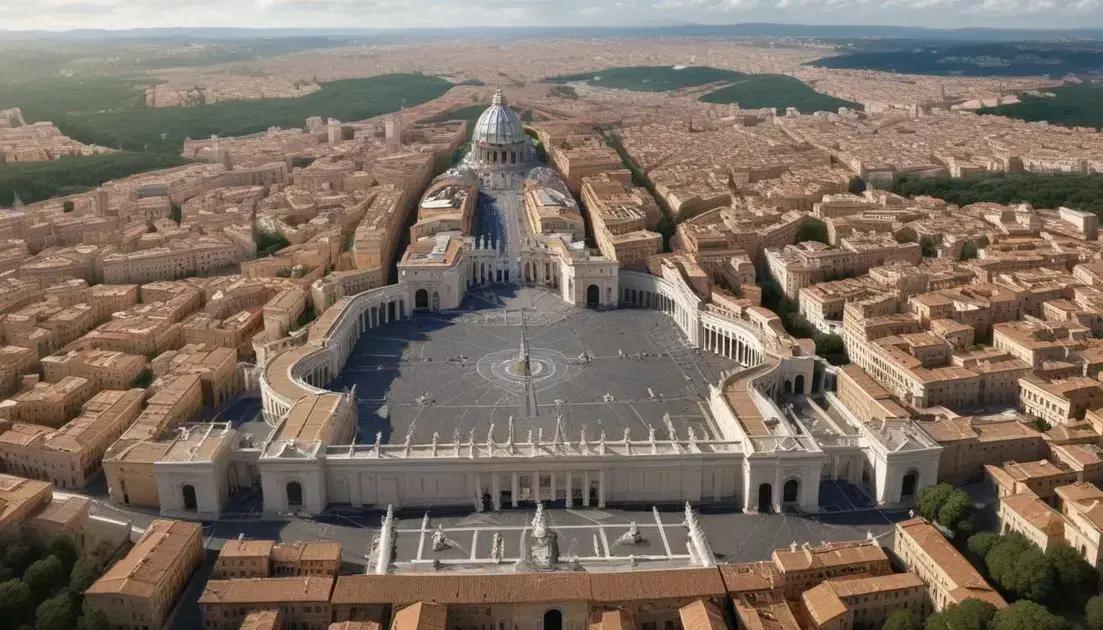
This support allowed churches to be built and the faith to spread quickly. Many Christians traveled to Rome to see important sites like the Vatican and St. Peter’s Basilica.
Over time, the pope in Rome became a symbol of unity for Christians. He guided the church and resolved disputes. This gave Rome even more authority in religious matters.
Today, the Role of Rome in Christianity is still significant. Millions visit for its religious history and cultural influence. From ancient times to now, Rome remains a cornerstone of the Christian faith.
Influence of Politics on Papal Authority
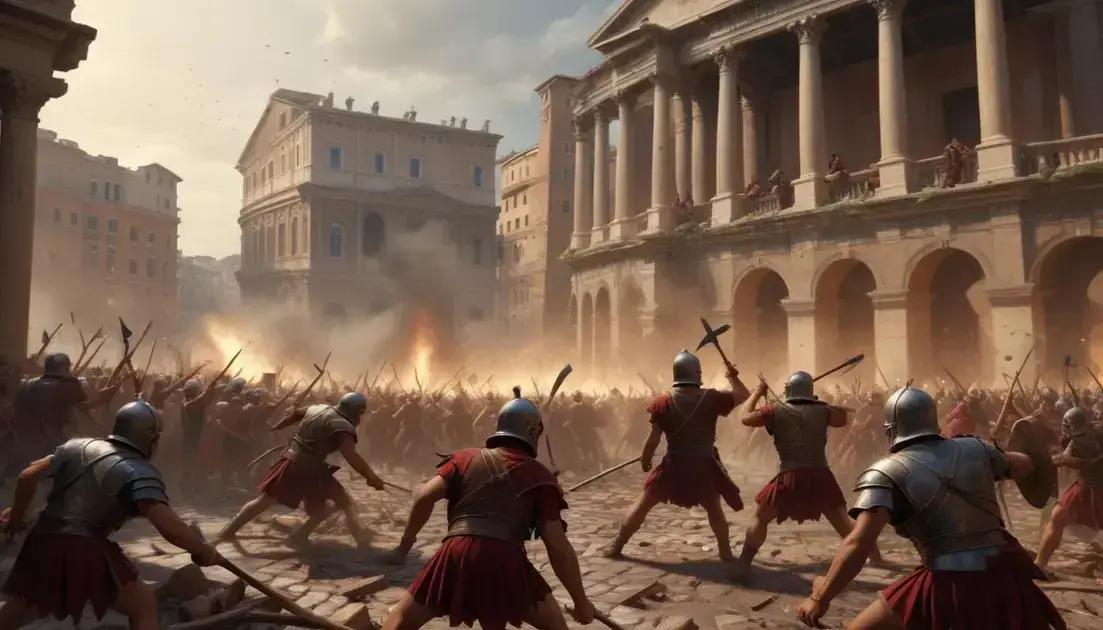
The Influence of Politics on Papal Authority has shaped the history of the papacy significantly. The pope often had to navigate the complex world of politics. This was especially true in the Middle Ages.
As rulers fought for power, popes became key players in political affairs. Sometimes popes supported rulers, while other times they opposed them. This gave the pope a powerful role in both religion and politics.
One important event was the Investiture Controversy. This conflict was between popes and kings over who could appoint bishops. It highlighted the struggle for authority between spiritual and secular powers.
In many cases, popes aligned with powerful kingdoms to strengthen their authority. They sought protection and support from kings. In return, they helped legitimize their rule. This relationship often influenced wars and treaties.
During the Renaissance, popes took on more political power. They ruled like princes and protected territories. This blending of religion and politics impacted their leadership style. It shaped how people viewed the papacy.
The Influence of Politics on Papal Authority continues to be significant today. Modern popes also engage with global issues. They speak on politics, social justice, and peace. This shows how the papacy still plays a role in world affairs.
The Papacy and Global Christianity
The Papacy and Global Christianity play a key role in the spiritual lives of millions. As the pope leads the Catholic Church, his influence spreads across the globe. His teachings reach not only Catholics but also others interested in Christianity.
From the early days of Christianity, the papacy has been central to spreading the faith. The pope has often interpreted scripture and set teachings for believers. This gives direction and unity to the church.
Today, the pope addresses global issues. He speaks out on topics like poverty, climate change, and peace. This shows that the papacy cares about more than just church matters. It engages with the world and its challenges.
Through global events, the pope connects with people everywhere. Visits to different countries help build relationships with diverse cultures. These trips spread messages of love and hope, reinforcing the papacy’s global presence.
The use of modern communication helps, too. Messages and teachings reach people instantly through social media and the internet. This allows the papacy to engage with younger audiences and those far from traditional churches.
The Papacy and Global Christianity continue to evolve together. As the world changes, so do the ways the papacy interacts with it. This ongoing evolution shows the enduring importance of the pope in the global Christian community.
Modern Implications of the Papacy
The Modern Implications of the Papacy are significant in today’s world. The pope addresses many issues that affect people everywhere. His leadership reaches beyond just spiritual guidance.
One major area is social justice. The pope speaks out against inequality and poverty. He encourages people to help those in need. This message resonates with many who want to make a difference.
Another important topic is environmental care. The pope has called for action on climate change. He urges everyone to take responsibility for the planet. This helps raise awareness and inspires action among different communities.
The papacy also focuses on interfaith dialogue. The pope meets with leaders from various religions. These meetings promote understanding and cooperation. They show that working together is important in today’s diverse world.
Global health is another key concern. The papacy advocates for access to healthcare for all. In times of crisis, like the COVID-19 pandemic, the pope sends messages of hope and support.
The Modern Implications of the Papacy continue to evolve. As society changes, the pope adapts his message. This shows the papacy’s relevance and its role in addressing contemporary issues.
Conclusion
In conclusion, the papacy’s role in today’s world is more important than ever. The pope addresses issues like social justice, environmental care, and interfaith dialogue. These matters resonate with many people seeking change.
The modern papacy encourages us all to take action in our communities. By focusing on global health, the pope shows that caring for each other is vital. Overall, the papacy continues to adapt and respond to our world.
As we move forward, the messages from the pope inspire hope and unity. They remind us that making a positive difference is possible. Together, we can work towards a better future for everyone.