The peace movements that changed the Cold War
The peace movements during the Cold War significantly influenced global politics and public opinion, emphasizing activism as a powerful tool for social change. Key figures like Martin Luther King Jr. and events such as the 1969 Moratorium to End the War in Vietnam played vital roles in advocating for nonviolence and justice. These movements led to historical agreements, like the Nuclear Non-Proliferation Treaty, and inspired future generations to engage in causes for peace and human rights, highlighting the enduring legacy of collective activism.
Peace Movements played a significant role in shaping the dynamics of the Cold War, bringing awareness and hope during tumultuous times. Curious how these movements influenced global politics? Let’s explore!
Introduction to peace movements
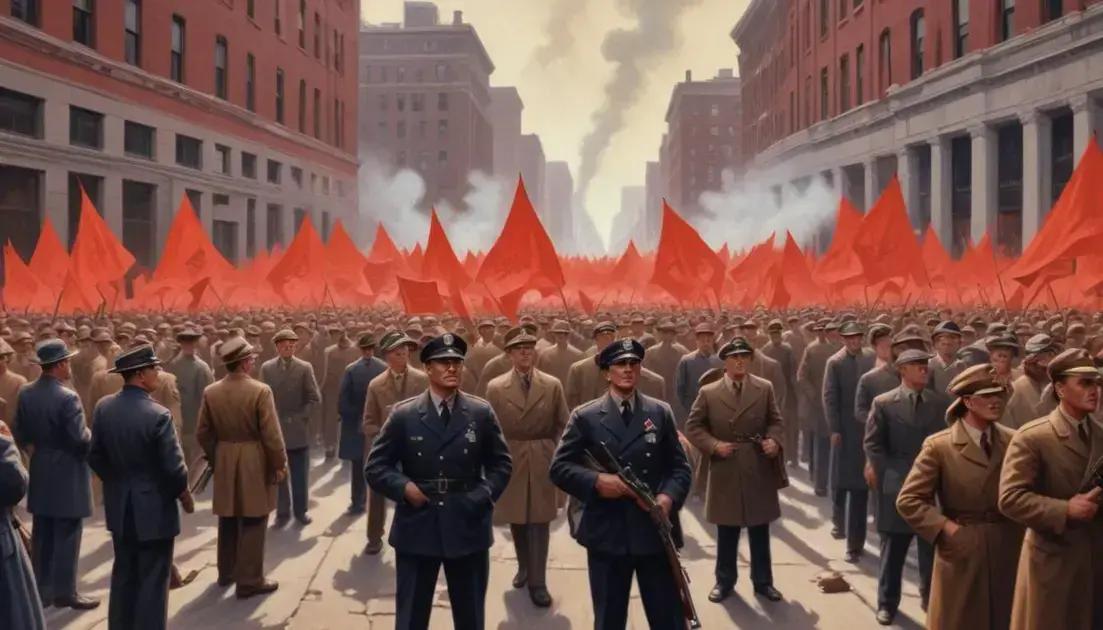
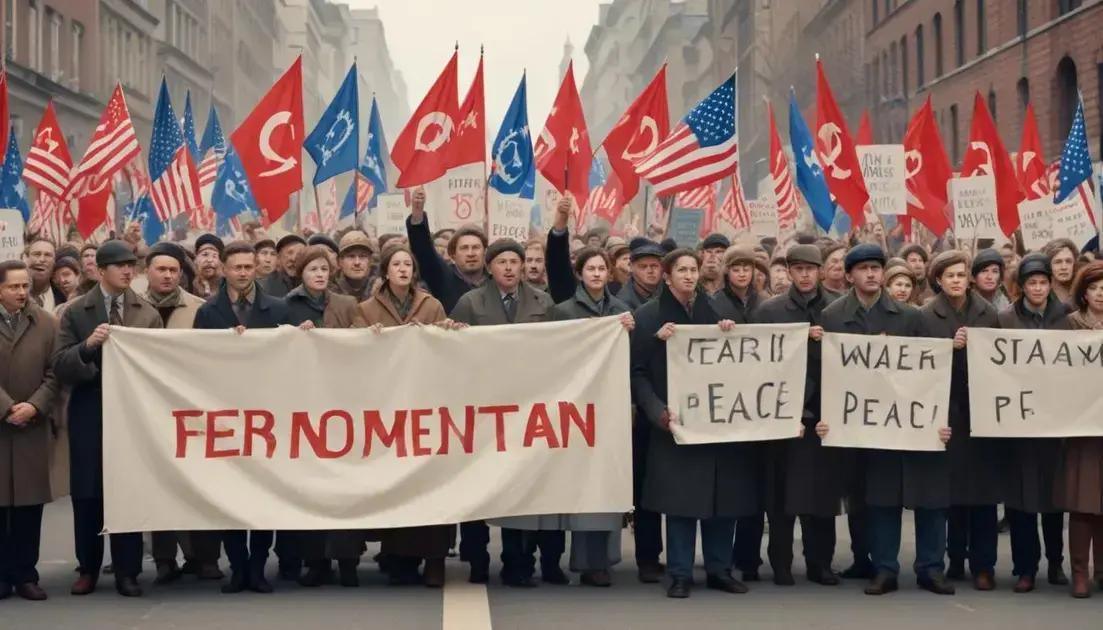
Peace movements emerged as a powerful force during the Cold War. This period was marked by tension and conflict between superpowers. However, people around the world stood up for change. They protested for peace and demanded an end to nuclear arms races.
The movements took shape in many places. From the United States to Europe, ordinary citizens voiced their concerns. They held rallies, organized marches, and created campaigns. Each of these actions aimed to raise awareness about the dangers of war.
One key event was the 1963 March on Washington. Thousands gathered to demand equality and peace. This moment united people from different backgrounds. It showed that together, they could make a difference.
Individuals like Martin Luther King Jr. inspired many. His message promoted nonviolence and love. This approach resonated with people who wanted change without violence. It added a moral voice to the peace movements, emphasizing that peace is not just the absence of war but a commitment to justice.
As the movements grew, they influenced governments. Activists pushed leaders to rethink their strategies. They challenged the notion that military strength alone could ensure safety.
Today, the legacy of these peace movements is still relevant. They remind us of the power of unity and hope. They teach us that everyday people can create significant change.
Impact on superpowers
The impact on superpowers during the Cold War was profound. Peace movements challenged the powerful nations directly. They made leaders rethink their positions on war and peace. Activists used protests to draw attention to nuclear weapons and their dangers.
In the United States, protests grew larger in the 1960s. Groups like Students for a Democratic Society led rallies. They spread the message that there must be a better way than war.
Meanwhile, in Europe, anti-nuclear groups formed. These groups often worked together with American activists. They shared ideas and strategies through international conferences. This global cooperation boosted their efforts.
Superpowers felt the pressure from the public. They had to listen to the voices demanding change. Governments worried about losing support from their citizens. This pressure sometimes led to policy changes. Leaders began to promote arms reduction talks.
One significant achievement was the Nuclear Non-Proliferation Treaty. It aimed to prevent the spread of nuclear weapons. Both the U.S. and the Soviet Union signed it as a response to public outcry.
As activists continued to rally, they showed the strength of unified voices. The movements sparked debates among leaders about foreign policy. They demonstrated that ordinary people could influence high-level decisions.
Key figures and events
Key figures and events played a huge role in the peace movements during the Cold War. These individuals and actions were vital in promoting an end to conflict. They inspired many people to join the cause for peace.
One major figure was Martin Luther King Jr. His messages of nonviolence and justice resonated deeply. He believed in fighting hate with love. His speeches rallied many supporters, spreading hope for change.
Another important figure was Jane Fonda. She used her fame to speak out against the Vietnam War. Fonda joined protests and even traveled to North Vietnam. Her actions sparked discussions and drew attention to war’s horrors.
Events like the 1969 Moratorium to End the War in Vietnam were crucial. This event gathered millions of people across the U.S. They protested against the war and demanded peace. Many shared personal stories about the war’s impact on their lives.
The 1981 Nuclear Freeze Campaign also stood out. It called for a halt on nuclear weapons testing and production. This movement gained support from various groups and brought people together to advocate for nuclear disarmament.
These key figures and events shaped the landscape of activism. They showed that individuals could spark significant change. Through their efforts, peace movements grew stronger and more influential.
Legacy of the movements
The legacy of the movements during the Cold War is powerful and lasting. These peace movements inspired future generations. They showed how collective action could influence political change. People learned that their voices truly mattered.
One major outcome was the shift in public opinion about war. Many began to question military actions and their consequences. This new mindset pushed for more diplomatic solutions. It encouraged leaders to find peaceful ways to resolve conflicts.
Another important legacy is the rise of grassroots activism. Communities learned to organize and protest effectively. This empowered citizens to advocate for various social issues, not just nuclear disarmament. It opened doors for movements focused on human rights and environmental protection.
Organizations like Greenpeace and Amnesty International grew from this era. They carry forward the spirit of activism and advocacy. These groups remind us that ordinary people can make a difference.
The lessons learned from these movements are still relevant today. People around the world continue to fight for peace and justice. Activism remains a critical tool for societal change. The impact of the Cold War peace movements serves as a guiding light for new generations.
Conclusion
Conclusion is often the final wrap-up of a discussion. However, in this context, we can summarize the main points. Peace movements during the Cold War were crucial for change.
These movements demonstrated the power of collective action. People united for a common cause and their voices were heard. Leaders could no longer ignore public sentiment about war.
The legacy of these movements lives on today. Many continue to fight for justice and peace around the world. Activism remains a vital part of our society.
Learning from the past inspires future generations. Organizations founded during this time carry the spirit of activism forward. As we face new challenges, the lessons learned from these movements serve as a guide.
Conclusion
In conclusion, the peace movements during the Cold War changed the world. They showed us that people can come together for a common cause. Ordinary citizens raised their voices against war and for peace.
These movements not only impacted politics but also inspired future generations. They taught us the importance of activism and how it can lead to real change. The lessons learned during this time help guide today’s social movements.
As we look back, we see that hope and unity are powerful forces. The legacy of these movements reminds us that everyone can contribute to creating a better world. By standing together, we can continue to fight for peace and justice for all.
Tags: