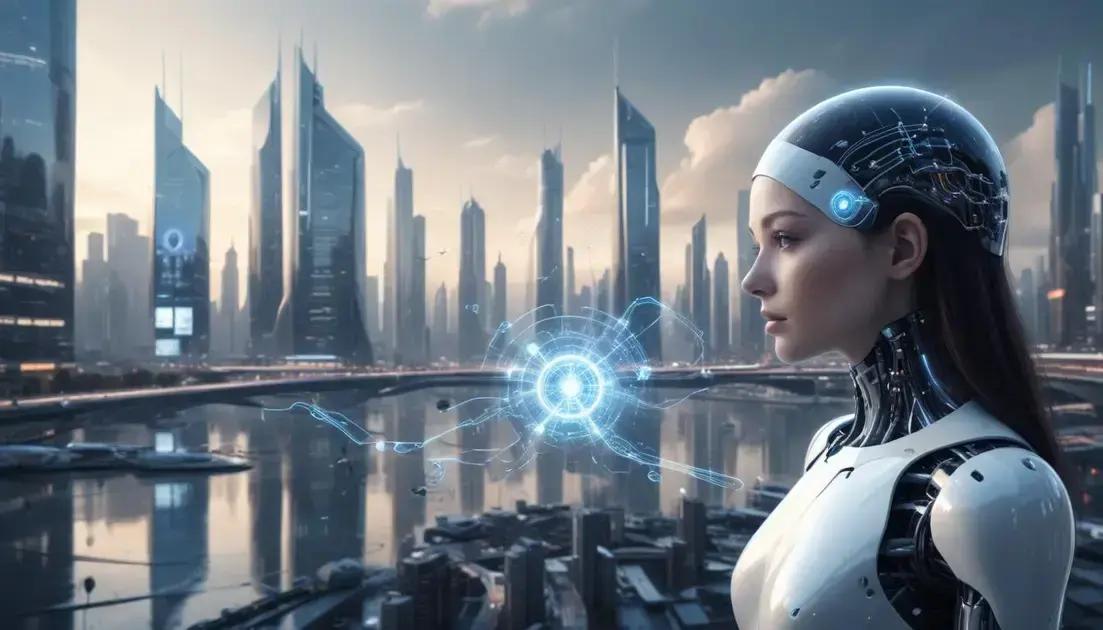
The posthuman era: life after humanity
The intersection of technology and humanity is reshaping our lives. As we embrace advancements like AI and digital tools, we must also consider ethical implications, data privacy, and the impact on employment. Future generations will benefit from these changes in education and health but need to navigate the balance between technology and personal connections. Engaging in discussions about technology’s role is vital for creating a future that reflects our values while enhancing our society.
Posthumanism is not just a trend; it’s a provocative exploration of where humanity might be headed. Are we ready for a future that blends biology and technology in ways we’ve only begun to imagine? Let’s dive in!
Understanding Posthumanism
Understanding Posthumanism means diving into a world where humanity mixes with technology. It’s about exploring how advancements change our lives, our bodies, and even our minds. This concept goes beyond science fiction; it’s becoming our reality.
At its core, posthumanism questions what it means to be human. With artificial intelligence and genetic engineering, we can alter and enhance ourselves. Think about how wearable technology monitors our health. This is just a starting point.
Imagine a future where we can connect our brains to the internet. This idea sparks debates about privacy, ethics, and our essence. Can we remain human if we download our thoughts into a machine? What does that mean for personal identity?
Posthumanism also raises important questions about society. Who gets access to these advancements? Will we create a divide between those who can afford enhancements and those who cannot? These are vital issues for us to consider as technology evolves.
In a posthuman world, adaptation is key. We need to embrace these changes while understanding their impact on our lives. Learning about posthumanism can help us prepare for a future filled with possibilities we can’t yet imagine. Let’s keep talking about it!
The Intersection of Technology and Humanity
The Intersection of Technology and Humanity is a fascinating area to explore. Technology affects our daily lives in many ways. It shapes how we communicate, learn, and even think. With each advancement, we get closer to a world where tech and human life blend together seamlessly.
Smartphones are a big part of this mix. They keep us connected to family and friends, no matter where we are. We can share moments instantly and learn new things with just a tap. This change makes our lives easier and more enjoyable.
Moreover, technology helps us in areas like healthcare. Wearable devices track our heart rates and daily activity. This data helps us make better choices for our health. Imagine getting reminders to move more or drink water based on your activity level. It’s like having a personal trainer on your wrist!
Yet, we must think about the ethical side. As technology advances, it raises questions about privacy. How much of our personal data are we willing to share? It’s crucial to find a balance between convenience and safety.
In education, technology opens doors. Online classes let anyone learn from anywhere. Machines help us understand complex ideas through simulations. This method engages students and makes learning fun.
As we move forward, we should embrace these changes. Understanding the intersection of tech and humanity can help us navigate our future better. This topic is not just about gadgets; it’s about who we are becoming.
Implications for Future Generations
Implications for Future Generations are vast and important as we look ahead. The choices we make today will shape the world tomorrow. Technology and its rapid evolution influence how we live, work, and relate to each other.
One major implication is education. With new tools like online classes and apps, learning is more accessible than ever. Kids can learn anytime and anywhere, breaking down barriers that used to exist. This change can lead to a more informed and skilled generation.
Health and well-being are also impacted. Wearable technology can help monitor vital signs and remind us to stay active. But we must be cautious about data privacy. Future generations should feel safe using these tools without worrying about their personal information being misused.
Then there’s the environment. Technology can help us find new ways to combat climate change. For example, renewable energy sources and smart grids can lead to better management of our resources. Teaching young people about sustainability can prepare them to make better choices for the planet.
Moreover, social interactions are changing. Digital platforms connect people worldwide. This can promote understanding and empathy. Yet, it’s essential not to lose face-to-face connections. The goal should be to balance online and offline relationships.
Most importantly, ethical awareness is crucial. As we embrace technology, future generations must think critically about its effects. They need to understand the ethical implications of advancements like AI and genetic engineering, ensuring they use these tools wisely.
Ethical Considerations
Ethical Considerations are essential as we move deeper into a tech-driven world. With technology evolving, we need to think about how it affects our lives. It’s not just about what we can do with technology but also about what we should do.
One big issue is privacy. As we use more devices, we share more personal information. Companies often collect this data. It’s important to know how it’s used. We must ensure our data is safe and protected from misuse.
Another concern is decision-making. AI can help us make choices, but it’s not perfect. If we’re not careful, these systems can reflect bias. This means unfair treatment for some people. We need to keep a close eye on how AI is trained and used.
Employment is also affected by technology. Automation can replace jobs. While it creates new opportunities, some people may struggle to find work. Training programs can help workers learn new skills for changing job markets. This way, no one is left behind.
Then there’s the moral side. As we enhance our bodies through technology, we must ask ourselves: what does it mean to be human? We need to consider the consequences of genetic editing and other advancements carefully. Who decides what is acceptable?
Finally, education about ethics in technology is crucial. Teaching people to think critically helps them make informed choices. We all share the responsibility to use technology wisely and ethically.
Conclusion: Embracing the Future
Embracing the Future means looking forward with hope and excitement. As technology continues to evolve, we need to adapt to the changes it brings. This journey is about exploring new possibilities and overcoming challenges together.
Staying open-minded is key. Technology offers improvements in many areas, like health, education, and communication. Each of us can benefit from these advancements. We can improve our lives and help others along the way.
Getting involved is essential. Learning about new tools and innovations keeps us informed. It empowers us to make better choices for ourselves and our communities. Technology is here to stay, and we need to navigate it wisely.
Creating a balance is important too. While we embrace new technologies, remember to keep our human connections strong. Personal relationships matter, and technology should enhance, not replace, them.
As we step into the future, let’s support one another. Sharing knowledge and experiences helps everyone grow. Together, we can shape a future that reflects our values and aspirations.
Conclusion
In conclusion, embracing technology in our lives opens up many exciting possibilities. From education to healthcare, new tools help us learn, grow, and connect better. By staying informed and adaptable, we can navigate these changes positively.
It’s essential to balance technology with our human connections. While technology enhances our lives, it shouldn’t replace real relationships. Let’s work together to create a future that reflects our values and enhances our community.
Ultimately, the journey into the future requires us to be open, supportive, and engaged. Together, we can shape a world where technology and humanity thrive side by side.