The race to the moon: how the U.S. beat the impossible
The Space Race was a historic competition between the U.S. and the Soviet Union, leading to significant advancements in space technology. Key figures like Wernher von Braun and Neil Armstrong played vital roles in this exciting era. Technological innovations in rocketry, navigation, and life support systems allowed for groundbreaking achievements, including the first manned Moon landing in 1969. The cultural impact of the Space Race inspired generations, fueling interest in science and technology, and encouraging a deeper understanding of our planet’s fragility. This competition not only shaped modern space exploration but also united people through shared dreams of reaching the stars.
Moon Race isn’t just about rockets and astronauts; it’s a captivating tale of ambition and rivalry that defined an era. Curious about how it all unfolded? Let’s dive into the thrilling journey!
Introduction to the Space Race
The Space Race began during the Cold War, a tense time when the U.S. and the Soviet Union were in a fierce competition. It wasn’t just about getting to space; it was a matter of national pride.
The Start of the Race
The launch of Sputnik in 1957 marked the start of the Space Race. This was the first satellite to orbit Earth, and it shocked Americans. People worried that the Soviets had a big advantage.
America’s Response
In response, the U.S. ramped up its own space efforts. NASA was created in 1958 to lead these missions. The goal was clear: land on the Moon first.
Major Milestones
As the race heated up, there were many important milestones. The U.S. launched its first astronaut, Alan Shepard, into space in 1961.
Then, came the Mercury and Gemini missions, which tested new technologies. These steps prepared NASA for the ultimate challenge: the Moon landing.
Key Figures and Milestones
Many key figures played important roles during the Space Race. These pioneers shaped space exploration and technology.
Wernher von Braun
Wernher von Braun was a leading rocket engineer. He came to the U.S. after World War II. His work on the Saturn V rocket helped land astronauts on the Moon.
John F. Kennedy
President John F. Kennedy set bold goals for the U.S. space program. In 1961, he famously declared that America would land a man on the Moon by the end of the decade. His vision motivated many to rally behind the space effort.
Neil Armstrong
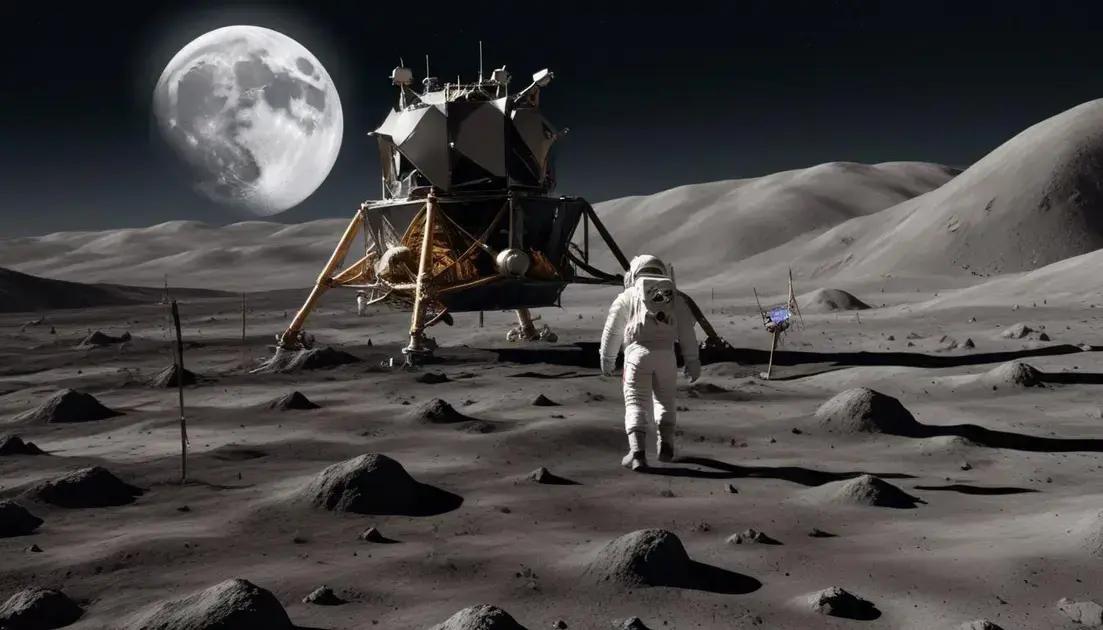
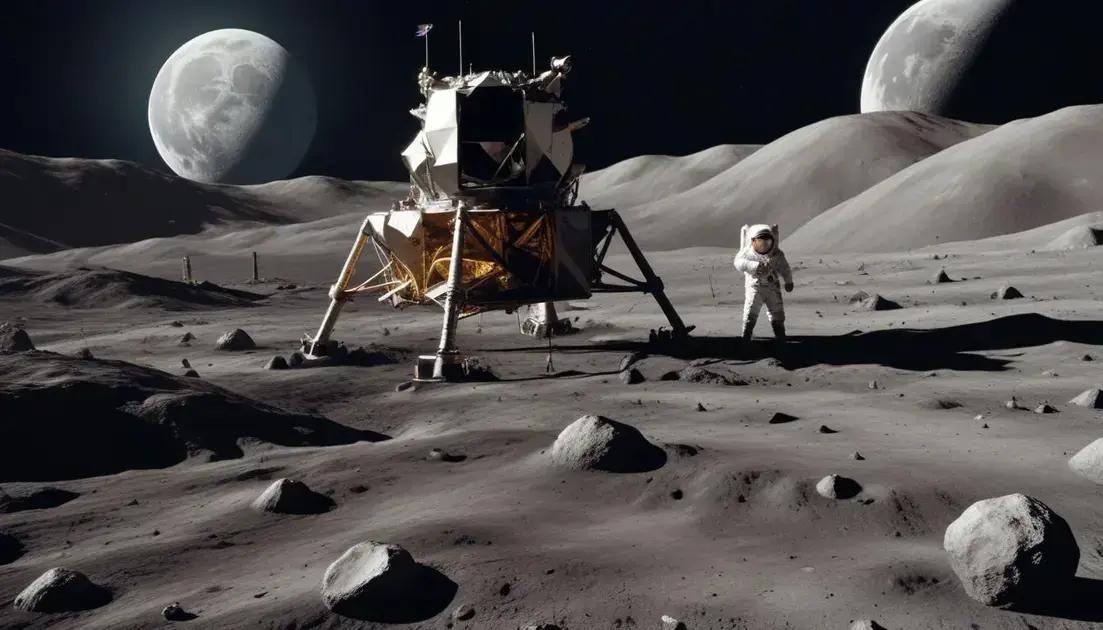
Neil Armstrong became the first person to walk on the Moon in 1969. His famous words, “That’s one small step for man, one giant leap for mankind,” echoed around the world. This milestone marked a huge success in the Space Race.
Milestones of the Space Race
There were several milestones throughout the Space Race. In 1957, the Soviets launched Sputnik, the first artificial satellite. This shocked the world and spurred the U.S. to increase its efforts.
In 1961, Yuri Gagarin became the first human in space. His flight showed that space travel was possible. The U.S. then focused on its Mercury and Gemini programs to prepare for the Moon landing.
Each of these key figures and milestones greatly impacted space exploration. Their efforts contributed to the exciting achievements of the Space Race.
Technological Innovations
Technological innovations played a huge role in the Space Race. These advancements made space travel possible and more efficient.
Rocket Technology
One major innovation was rocket technology. The development of powerful rockets, like the Saturn V, allowed for human missions to the Moon. This rocket was designed to handle heavy payloads.
Computers and Navigation
Another key innovation was the use of computers for navigation. Early computers were essential for calculating trajectories. They helped astronauts reach their destinations safely and accurately.
Satellite Communication
Satellites also changed the game. They enabled real-time communication between Earth and space. This was crucial for mission control to monitor astronauts and spacecraft.
Life Support Systems
Life support systems were vital for human survival in space. Innovations in air recycling and temperature control kept astronauts safe during their missions. These systems ensured they could live and work in space for extended periods.
Spacecraft Design
Spacecraft design evolved quickly during this era. Engineers focused on making vehicles lightweight and strong. They needed to withstand extreme conditions during launch and re-entry.
These technological innovations were game-changers in the Space Race. They helped the U.S. achieve its goal of landing on the Moon first.
Cultural Impact
The Space Race had a massive cultural impact on society. It sparked interest in science and technology across the globe.
Inspiration for Generations
Children dreamed of being astronauts. Schools began to focus more on science and math. TV shows and movies about space adventures became popular. People were excited about the possibilities of exploring the universe.
National Pride
National pride surged during the Space Race. Each achievement made people feel united. The successful Moon landing in 1969 was a moment of triumph for America.
Media Coverage
Media coverage was intense and widespread. Newspapers and television broadcasts aired live footage of rocket launches. This brought space exploration into homes everywhere. It made the public feel connected to the missions.
Art and Literature
The Space Race influenced art and literature, too. Writers imagined futures where space travel was common. Artists created works inspired by the beauty of the cosmos.
Changing Perspectives
Many people started thinking about Earth differently. Viewing the planet from space highlighted its fragility. This awareness led to a growing interest in environmental issues.
The cultural impact of the Space Race shaped a generation. It inspired dreams, creativity, and a deeper understanding of our world.
Conclusion
The Space Race was a thrilling time of exploration and discovery. It pushed nations to new heights and inspired people worldwide. The achievements in space technology changed how we view our planet and the universe.
Legacy of the Space Race
The legacy of the Space Race continues today. Innovations from this era are still shaping space travel and technology. We rely on these advancements in our daily lives.
Inspiration for Future Generations
People remain inspired by the stories and triumphs of the Space Race. Future generations dream of reaching new worlds, just as their predecessors did.
Conclusion
In conclusion, the Space Race was a significant chapter in history that transformed our understanding of science and technology. It inspired people all over the world to dream big and reach for the stars. The incredible achievements in rocketry, navigation, and life support systems set the stage for modern space exploration.
Moreover, the cultural impact of the Space Race encouraged new generations to pursue careers in science, technology, engineering, and math (STEM). Today, we still benefit from the innovations that emerged from this competition. As we look toward the future, we can draw inspiration from the pioneers of the Space Race. Their courage and determination continue to motivate us to explore the unknown and strive for greatness.