The Return of Symbolic USSR: Russian Neo-Nationalism
Neo-nationalism in Russia is gaining momentum, driven by a strong sense of national pride and nostalgia for the Soviet era. This movement influences modern politics, as leaders leverage historical symbols to connect with citizens. Public sentiment around national identity strengthens cultural celebrations but can also lead to division and challenges with inclusivity. Overall, understanding the interplay between neo-nationalism and contemporary Russian politics is crucial for grasping the country’s evolving identity.
In recent years, Neo-Nationalism has reemerged as a powerful force in Russia, reviving sentiments tied to the Soviet past. This article explores how such movements shape the nation’s identity and politics.
Understanding Russian Neo-Nationalism
Understanding Russian Neo-Nationalism is essential to grasp the current political climate in Russia. This movement reflects a renewed interest in national identity and pride. It often draws on historical symbols and sentiments from the Soviet era.
Neo-nationalists believe that patriotism is vital for the country’s unity. They see the past as a source of strength and seek to revive it in modern contexts. This feeling of nostalgia can resonate with many citizens who long for a strong, cohesive identity.
One major driver of this movement is dissatisfaction with the current political and economic situation. Many Russians feel alienated from the global community. Thus, they turn to their history for solace and direction. This can lead to increased support for leaders who promote conservative values.
Another aspect of neo-nationalism is how it influences culture and society. Traditional events, national holidays, and even educational content often emphasize this pride. The imagery used often includes symbols of the Soviet Union, linking the past to the present.
While some view neo-nationalism as a step back into an outdated ideology, others see it as a healthy expression of cultural identity. The debate continues on how this movement will shape Russia’s future.
The Role of USSR Symbolism
The Role of USSR Symbolism is significant in the context of Russian neo-nationalism. Symbolism serves as a bridge between the past and the present. Many Russians look at symbols from the USSR with a mix of nostalgia and pride.
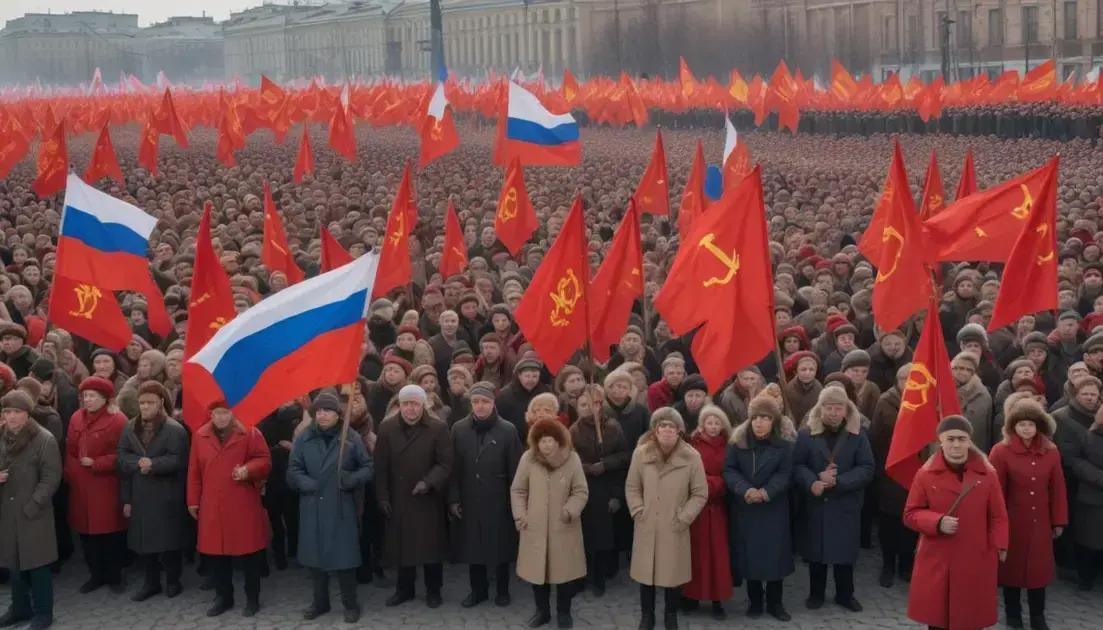
The hammer and sickle, for example, are powerful images. They represent workers and farmers uniting for a common cause. Many people remember the strength and unity those symbols evoke from a time when Russia was a global superpower.
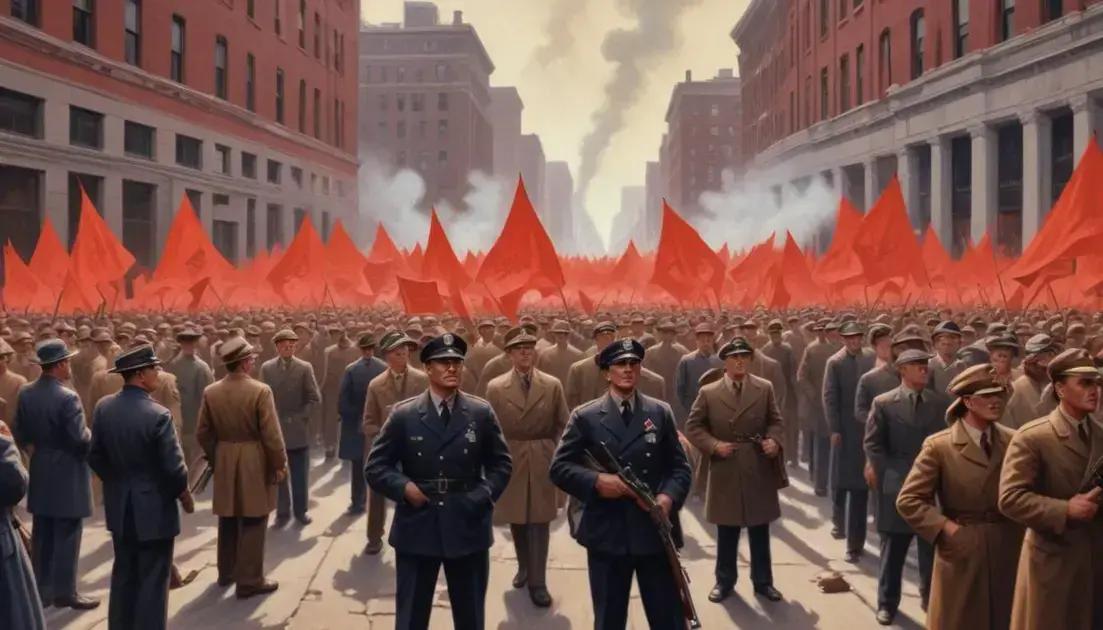
These symbols often appear in celebrations, protests, and political rallies. They help reinforce a sense of belonging and national identity. For some, these images trigger memories of the Soviet Union’s achievements, like space exploration and industrial growth.
However, the use of these symbols can also stir controversy. While some view them as a celebration of heritage, others see them as reminders of oppression. This duality sparks heated debates among citizens.
In educational contexts, the teaching of Soviet history also ties into symbolism. Understanding these symbols can lead to a deeper insight into Russia’s complex past. It’s essential to recognize how history shapes present-day ideologies.
Impact on Modern Russian Politics
Impact on Modern Russian Politics is deeply intertwined with the rise of neo-nationalism. This movement shapes how leaders communicate and connect with citizens. Politicians often use national pride to rally support for their agendas.
One major effect of neo-nationalism is the support it gives to conservative policies. Many leaders promote programs that celebrate Russian heritage. This often includes using historical symbols to boost their image.
Public sentiment regarding neo-nationalism also affects political decisions. As citizens show greater pride in their history, politicians listen. They adapt their messages to align with these feelings.
The influence of neo-nationalism can be seen in various areas of governance. For instance, there’s a push for policies that emphasize national interests over global cooperation. This shift can create tension with other countries.
Moreover, neo-nationalism often leads to more centralized power. Leaders may justify stricter measures in the name of national security. This can affect civil liberties and raise concerns about freedom of speech.
Ongoing debates about identity and history will continue to shape politics. The role of neo-nationalism cannot be overlooked as Russia navigates its place in the world today.
Public Sentiment and National Pride
Public Sentiment and National Pride play a crucial role in shaping modern Russia. Many people today feel a strong desire to connect with their national identity. This sense of pride often influences how they view politics and society.
In recent years, events like sports competitions and cultural festivals have sparked national pride. Citizens celebrate their heritage, showcasing traditional music, dance, and art. These celebrations help build a sense of unity among the people.
Social media also amplifies public sentiment and national pride. Many Russians share posts that reflect their love for their country. Pictures of famous landmarks and historical events flood platforms, creating a shared online experience.
However, public sentiment toward nationalism can be mixed. Some people embrace it, while others worry it can lead to exclusion. This can create tension between different groups within society, especially minorities.
The government often taps into national pride to gain support. Leaders use patriotic speeches and symbols to influence public opinion. This strategy can strengthen their positions, especially during challenging times.
Understanding the balance between pride and inclusion is vital for Russia. National pride can unite the country, but it should also embrace diversity.
Conclusion
In conclusion, the rise of neo-nationalism and its influence on modern Russia cannot be ignored. This movement taps into feelings of national pride and nostalgia for the past, shaping political landscapes and public sentiment. As citizens embrace their identity, it creates a vibrant cultural atmosphere.
However, there are challenges too. Many must navigate the balance between pride and inclusivity. Different perspectives can lead to both unity and division. Moving forward, it’s important for leaders to foster a sense of belonging for everyone while celebrating the rich history of Russia.
Overall, the impact of this movement on society and politics will continue to evolve, making it a key topic for understanding Russia’s future.