The Russian Revolution: the birth of the Soviet Union
The Russian Revolution was a pivotal event in 1917 that transformed Russia from a monarchy to a communist state under the Bolsheviks. Key figures like Lenin and Trotsky led the uprising, which involved major events such as the February and October Revolutions. The consequences of the revolution reshaped politics and society in Russia and inspired socialist movements worldwide, influencing global relations during the Cold War. Its legacy continues to affect modern politics, making it a significant historical milestone.
Have you ever wondered how the Russian Revolution transformed the world? In 1917, workers and soldiers united to change the fate of a nation, and their impact still resonates today.
Overview of the Russian Revolution
The Russian Revolution was a pivotal moment in history. It took place in 1917 and changed the course of Russia and the world. Many people played a role in this massive uprising, including workers, soldiers, and peasants. They all wanted better lives and freedoms.
The revolution led to the end of the Tsarist monarchy. The Tsar, or king, was overthrown. This marked a huge shift in power. People were tired of unfairness and wanted a say in how they were governed.
Key events sparked the revolution. For instance, the February Revolution forced Tsar Nicholas II to abdicate. Shortly after, the October Revolution took charge and brought the Bolsheviks to power. This group promised change and a better future for all.
The impact of the Russian Revolution was felt far beyond Russia’s borders. It inspired other movements worldwide. It also established the Soviet Union, a new political system based on communist ideals.
The legacy of this revolution is complex. Its effects are still debated by historians. Yet, it’s clear that the Russian Revolution reshaped not only Russia but also influenced many countries around the globe. Understanding this part of history helps us learn lessons that resonate today.
Key figures involved
The Russian Revolution had many influential figures. Each played a unique role during this critical time. Understanding these individuals helps us see how the revolution unfolded.
One of the most notable figures was Vladimir Lenin. He led the Bolsheviks and pushed for a radical change. Lenin believed in a government for the workers and promised them power.
Another key figure was Leon Trotsky. He was a close ally of Lenin and helped organize the revolution. Trotsky was also a strong military leader who defended the revolution from enemies.
On the other side, we have Tsar Nicholas II. He was the last Tsar of Russia. His poor leadership and refusal to adapt to change angered many people. The public’s dissatisfaction with his rule set the stage for the uprising.
There’s also Alexander Kerensky. He led the Provisional Government after the Tsar’s abdication. Kerensky tried to maintain control during this turbulent time. However, his government struggled to gain support.
These figures and their actions were crucial during the revolution. Their decisions shaped the future of Russia and the world too. Each played a part in the rise of new ideologies and nations.
Major events of the uprising
The Russian Revolution included several major events that marked its progress. Each played a vital role in shaping the outcome of the uprising.
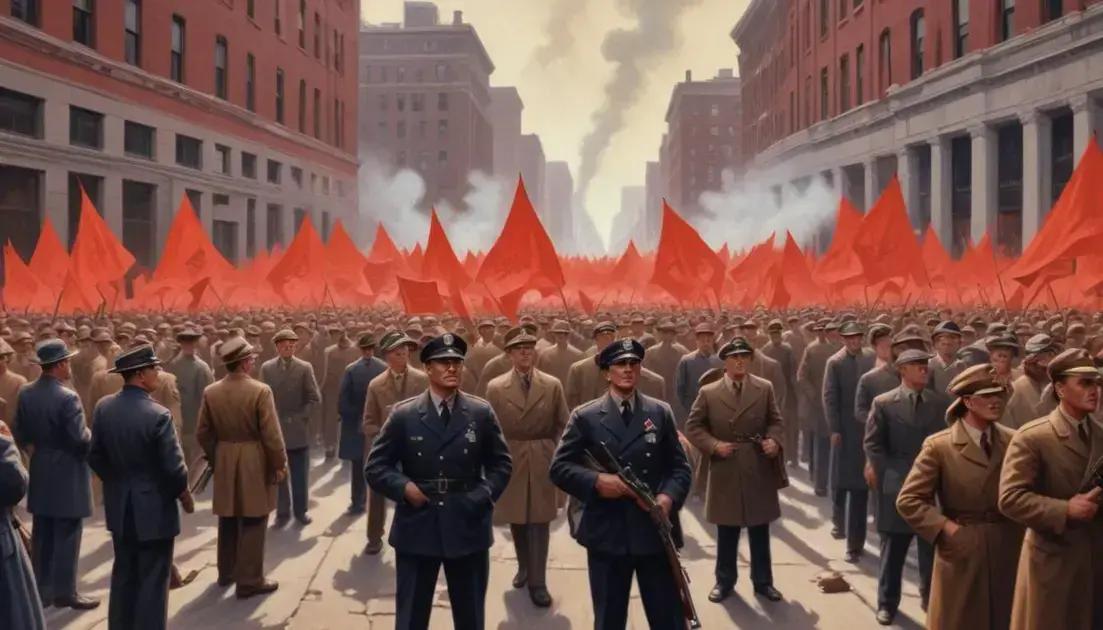
One key event was the February Revolution. It started in 1917 when workers began protesting food shortages. They demanded more rights and better living conditions. The protests quickly grew, leading to widespread unrest.
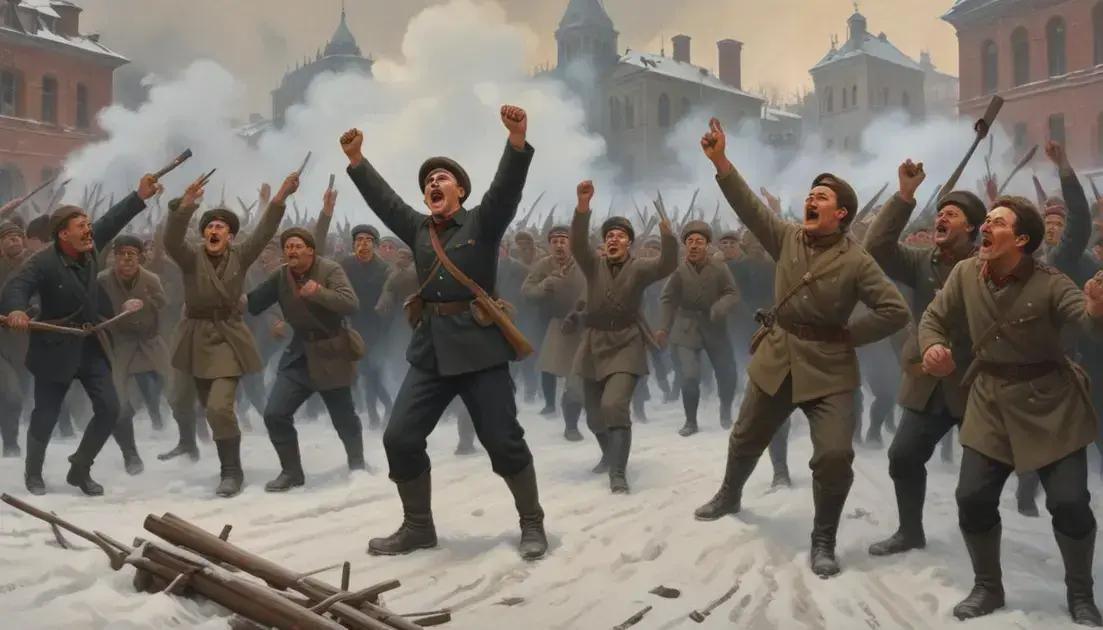
As the uprising gained momentum, soldiers joined the protesting workers. This was crucial. Many soldiers were unhappy with the ongoing war and their conditions. Their support helped to overthrow Tsar Nicholas II.
Another major moment was the formation of the Provisional Government. After the Tsar abdicated, leaders from various political groups tried to take charge. However, this government faced challenges, especially from radical groups like the Bolsheviks.
Next came the October Revolution. This event marked a turning point. The Bolsheviks, led by Lenin, seized control of key points in Petrograd. They took over government buildings and gained widespread support.
The Bolsheviks declared a new government based on worker control. This event changed Russia forever and led to the establishment of a communist state.
These major events defined the revolution. They were filled with struggle, hope, and change. Understanding them helps us see how a nation can transform in the face of adversity.
Consequences for Russia and the world
The Russian Revolution had profound consequences for both Russia and the wider world. These changes were felt in many areas, including politics, society, and the economy.
For Russia, the revolution ended the Tsarist monarchy. It established a new government based on communist ideals. This shift drastically changed how people lived. Citizens were promised equality and rights, but the reality was often different.
Many people faced hardships under the new regime. The economic system changed, leading to food shortages and other struggles. The Bolsheviks aimed to redistribute land, but implementation was tough.
On the global stage, the revolution inspired other countries. Many saw it as a way to fight oppression. Various movements arose in Europe and beyond, influenced by the Bolshevik example. People yearned for change and looked to Russia for inspiration.
Additionally, the revolution triggered a wave of fear in capitalist nations. They worried about the spread of communism. This fear led to policies aimed at containing communism, marking the beginning of the Cold War.
The revolution also brought about the formation of the Soviet Union. This superpower played a significant role in 20th-century politics. It influenced wars, economics, and ideologies worldwide.
The consequences of the Russian Revolution are still felt today. Understanding its impact helps us see how history shapes our current world.
Legacy of the Soviet Union
The legacy of the Soviet Union is complex and far-reaching. It shaped many aspects of life in Russia and influenced the world significantly.
One major aspect of this legacy is the establishment of a communist ideology. It aimed to create a classless society but often led to strict government control and limited freedoms. This system sparked debates about governance that continue today.
Another important point is the economic transformation. The Soviet Union focused on industrialization and state control. While it achieved rapid industrial growth, many people faced hardships, such as food shortages and poor living conditions.
The Soviet Union also had a significant impact on education. It prioritized education and literacy, striving to educate all citizens. This focus contributed to a well-educated workforce, but it often pushed a political agenda.
On a global scale, the Soviet Union played a critical role during the Cold War. Its rivalry with the United States shaped international relations for decades. Many countries aligned with one side or the other, affecting policies and alliances worldwide.
After its collapse in 1991, echoes of the Soviet Union lingered. Its influence is visible in former Soviet states, where lingering political and social patterns exist. The culture, art, and history from this era also continue to resonate.
Finally, the legacy of the Soviet Union serves as a reminder of the challenges and consequences of extreme ideologies. Studying this history helps us understand our current world better.
Conclusion
In conclusion, the Russian Revolution was a significant turning point in history. It transformed Russia and had lasting effects worldwide. Key figures like Lenin and Trotsky influenced this change, shaping a new government and ideology.
Major events during the revolution brought about sweeping changes. The fall of the Tsar led to the rise of the Bolsheviks and the establishment of the Soviet Union. However, this new government had its challenges, impacting the lives of many people.
The consequences of the revolution continue to resonate today. From the spread of communist ideas to the ongoing discussions about governance, its legacy remains relevant. Understanding this history helps us learn important lessons for the future.
In the end, the Russian Revolution reminds us of the power of people uniting for change. Its impact on society, politics, and economies is a story worth remembering as we navigate our own paths forward.
Tags: