The Silk Road: the world’s first global trade network
The Silk Road was a vital trade network connecting East and West, influencing ancient civilizations by facilitating cultural exchange and economic growth. Goods like silk and spices traveled along these routes, shaping societies and promoting innovation. This historical trade route not only established significant economic ties but also encouraged the spread of ideas and technologies, paving the way for globalization that impacts modern trade today.
Silk Road was more than just a passage for merchants. It was a vibrant tapestry that wove together cultures, ideas, and goods from the East and West. Are you ready to discover its fascinating history?
Introduction to the Silk Road
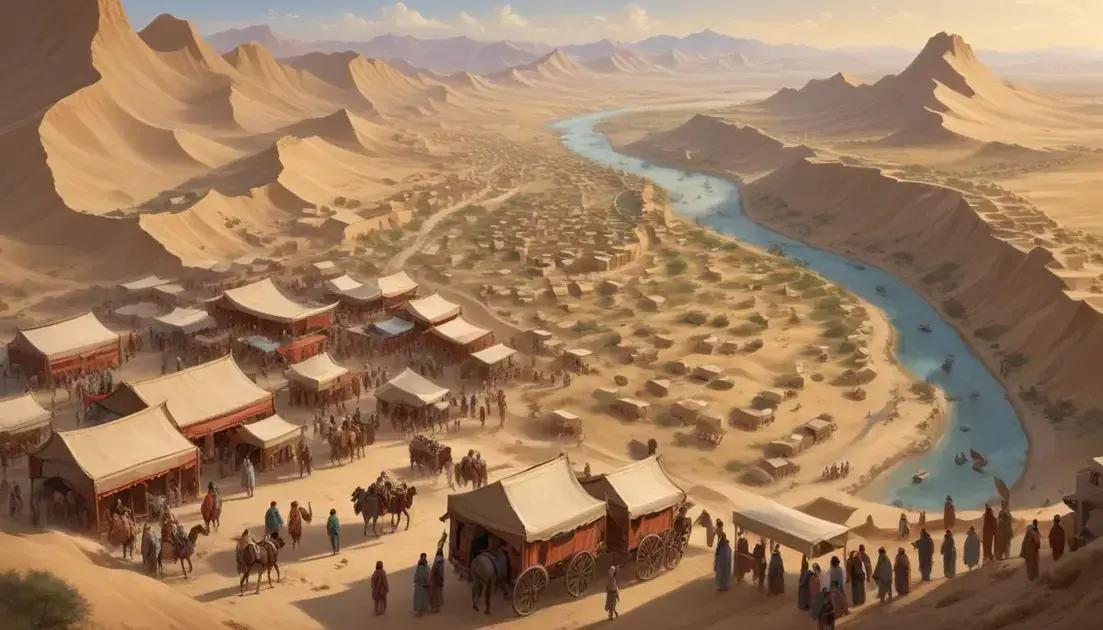
The Silk Road was an ancient network of trade routes. It connected the East with the West, allowing goods to flow freely. People traveled great distances to trade silk, spices, and other treasures. Merchants carried valuable items on camels and horses across vast landscapes.
This trade route wasn’t just about goods. It was also a highway for ideas and cultures. Different civilizations shared their beliefs, art, and technology along these paths. For example, the spread of paper and printing started on the Silk Road.
Many different cultures interacted there. Chinese, Persians, Indians, and Romans all played a part in its history. Each group brought something unique to the table. This mix created a vibrant atmosphere of sharing and learning.
Despite the challenges, like rough weather and bandits, trade flourished. Caravans traveled for months, crossing deserts and mountains. The drive for profit and knowledge kept the Silk Road alive for centuries.
Today, we look back at the Silk Road with wonder. It shows how trade can unite different peoples and encourage growth.
Significance of Trade in Ancient Civilizations
Trade played a key role in ancient civilizations. It helped them grow and thrive. Through trade, people exchanged not just goods but also ideas and cultures. This exchange shaped societies and connected different regions.
Economies flourished because of trade. Cities became bustling marketplaces. Goods like silk, spices, and pottery traveled far and wide. Each region had something special to offer. For example, China was known for its silk, while India was famous for its spices.
Trade routes like the Silk Road linked distant lands. Merchants traveled great distances to sell their wares. They faced many challenges, like harsh weather and dangerous terrain. Yet, the rewards made it worthwhile.
Besides goods, trade also spread knowledge. New technologies and ideas traveled along with products. This sharing allowed civilizations to innovate and grow stronger. The arts and sciences benefited from these exchanges.
Overall, trade was vital for ancient societies. It built connections and fostered growth, making the world more interconnected.
Cultural Exchanges Along the Silk Route
The Silk Route was more than just a trade path. It was a vibrant space for cultural exchange. People from different lands shared their thoughts, traditions, and customs. This mixing of cultures helped shape societies.
Merchants traveled long distances from China to Europe. They brought with them unique ideas and technologies. For example, the Chinese introduced paper and printing to the West. These innovations changed how people communicated and recorded information.
Arts also flourished along the Silk Route. Musicians, artists, and writers were inspired by new ideas. They blended styles, creating rich, diverse art forms. This cultural sharing enriched the lives of many.
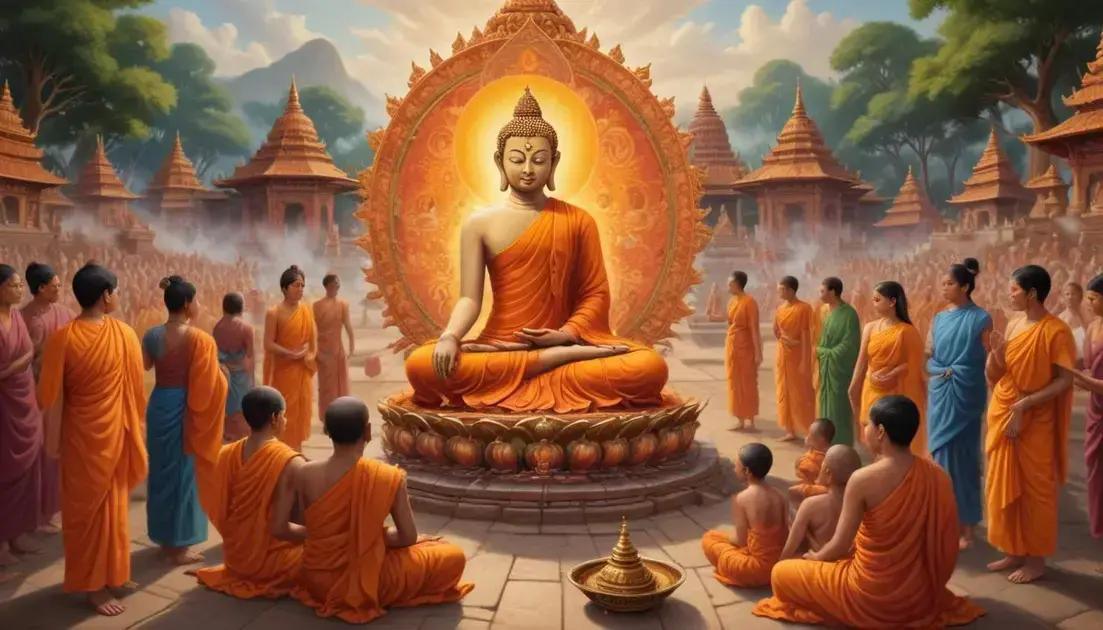
Religions spread too. Buddhism traveled from India to East Asia. Islam spread across many regions through trade. Each faith added to the rich tapestry of beliefs along the route.
Food also played a big role. Spices traveled along with products. New tastes and cooking methods emerged in different regions. This blended cuisine brought people together and opened their minds to different cultures.
Overall, the cultural exchanges along the Silk Route were vital. They built connections and fostered understanding between diverse peoples.
Impact on Modern Trade and Globalization
The Silk Road has a lasting impact on modern trade. It set the stage for globalization as we know it today. This ancient network of trade routes connected different cultures and economies. It showed how markets depend on each other.
Today, global trade is massive. Goods from all over the world are shipped daily. Just like in ancient times, countries import and export items. The Silk Road taught us the value of exchanging goods and services.
Modern technology has changed trade, but the basics remain the same. Fast shipping and communication help businesses thrive. Online shopping connects consumers with products from far-off places. Just think of how easy it is to buy goods from anywhere!
Additionally, globalization affects cultures. People share ideas, trends, and value systems across borders. The Silk Road started this process by allowing cultural exchanges. Today, music, films, and food reflect this blending of influences.
Trade agreements also link nations, much like the old Silk Road did. These agreements create partnerships that benefit economies. Countries work together to boost trade and growth, just like ancient traders did.
In summary, the Silk Road’s impact on modern trade and globalization is clear. It paved the way for current economic relationships and cultural exchanges.
Conclusion
Trade along the Silk Road was a game changer for ancient civilizations. It helped connect diverse cultures and made exchanging goods easier. This network created lasting ties among peoples from different regions.
Through trade, ideas, technologies, and traditions spread. China shared silk, while other regions offered spices and precious metals. These exchanges shaped economies and lifestyles.
Moreover, the Silk Road laid the groundwork for today’s global economy. It showed how interconnected our world can be. The legacy of this ancient trade route is still seen in modern trade practices.
Understanding the Silk Road helps us appreciate the importance of cultural exchange. This history reminds us how sharing and connecting benefits all societies.
Conclusion
In conclusion, the Silk Road was more than just a trade route; it was a bridge between cultures. It connected people and ideas, helping societies to grow and evolve. Through the exchange of goods, art, and knowledge, ancient civilizations learned from one another.
This legacy of connection continues today. The Silk Road shows us that trade can unite diverse cultures, benefiting everyone involved. As we explore our global economy, we can see how interconnected our world really is.
Understanding the importance of the Silk Road helps us appreciate cultural exchanges even more. They remind us of our shared history and the power of collaboration. By learning from the past, we can build a better future together.