The Soviet Collapse: The Day the Red Empire Fell
The collapse of the Soviet Union in 1991 marked a significant turning point in global history, leading to the independence of various countries and a reshaping of international relationships. Key figures like Mikhail Gorbachev and Boris Yeltsin emerged during this transition, advocating for reforms and democracy. However, the aftermath brought economic struggles and regional tensions, impacting both former Soviet states and global politics. The shift in power dynamics and the rise of NATO have had lasting effects, illustrating the complexity and far-reaching consequences of this historical event.
The Soviet Union dramatically reshaped global politics in 1991, leaving a profound mark on history that echoes today. Curious to know how this unfolded? Let’s dive in!
The events leading to the collapse
The events leading to the collapse of the Soviet Union are crucial for understanding this moment in history. In the 1980s, the Soviet economy was struggling. People faced shortages of basic goods. It became harder for families to make ends meet.
Then, there was Mikhail Gorbachev. He became the leader in 1985. Gorbachev wanted to reform the system. His policies of *glasnost* (openness) and *perestroika* (restructuring) aimed to change how the government worked. However, these changes led to more unrest.
As the people began to express their frustrations, national movements gained traction. Countries like Lithuania and Ukraine started to demand independence. The desire for freedom grew stronger every day.
Moreover, the arms race with the West also drained resources. The Cold War intensified and increased tensions. People felt that the government was spending more on military power rather than on the needs of citizens.
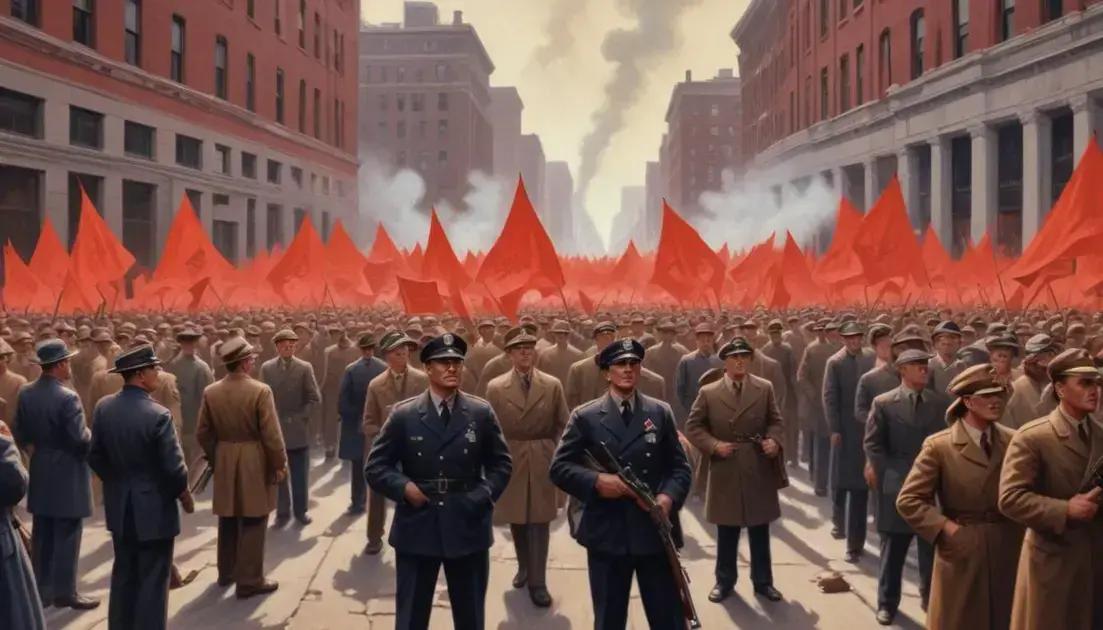
By 1991, the situation was worsening. Economic hardships led to protests. Demonstrations in Moscow showed just how unhappy people were. The public called for a change!
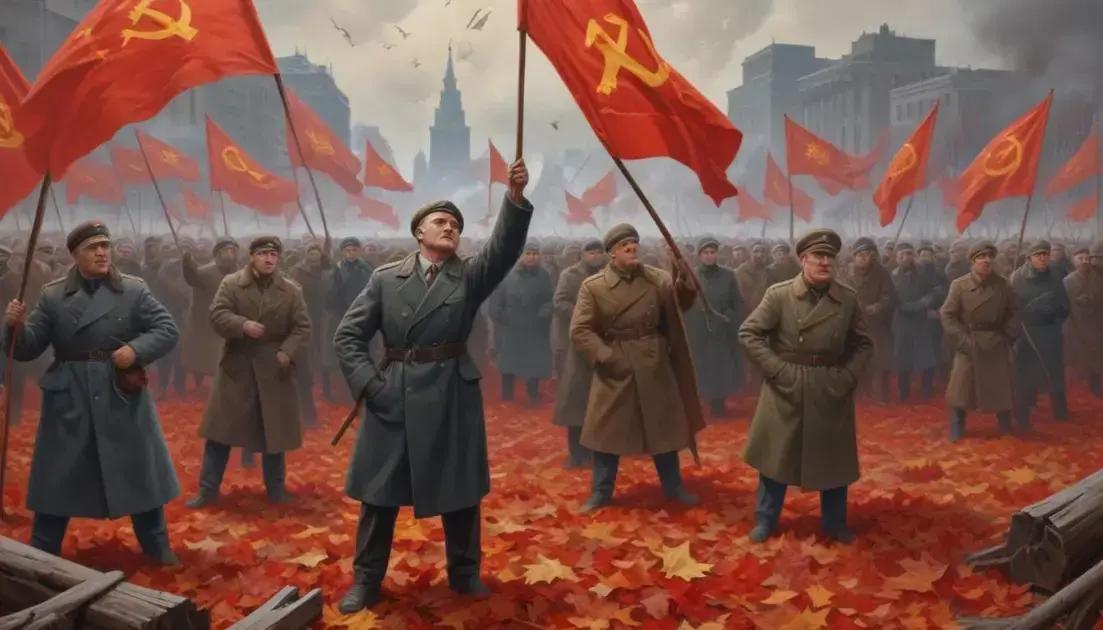
Finally, in August 1991, a coup was attempted to overthrow Gorbachev. This event was the last straw. People rallied in support of democracy, proving once more their wish to move forward.
These events created a wave of change that would lead to the end of the Soviet Union. This period reshaped nations and changed the world forever.
Key figures during the transition
During the collapse of the Soviet Union, several key figures played vital roles. Understanding who they were helps us grasp the changes happening at that time.
Mikhail Gorbachev was the leader of the Soviet Union. His attempt to reform the government with policies like *glasnost* (openness) and *perestroika* (restructuring) aimed to bring more democracy. These ideas sparked new movements.
Another important figure was Boris Yeltsin. He was a prominent politician who pushed for change. Yeltsin became the first president of Russia. His speeches inspired many people to rally for Russian independence.
Also, Lech Wałęsa from Poland was significant. He led the Solidarity movement. This movement was crucial in fighting for workers’ rights. His actions inspired people across Eastern Europe, showing them that change was possible.
In Ukraine, figures like Leonid Kravchuk emerged. He became the first president of independent Ukraine after the Soviet breakup. His leadership shaped Ukraine’s future.
Many activists and everyday citizens also influenced the transition. They bravely protested for freedom and brought attention to issues affecting their lives. Without their voices, the push for change might have faced more challenges.
These key figures and their efforts made a lasting impact. Their roles remind us how individual actions can lead to big changes in history.
The aftermath and global impact
The aftermath of the Soviet Union’s collapse changed the world in many ways. Countries gained independence and many hoped for a brighter future. Yet, challenges soon arose.
Firstly, former Soviet states faced economic struggles. Many transitioned to market economies. This shift was difficult and often painful for citizens. Jobs were lost and prices soared.
Additionally, conflicts emerged in various regions. Countries like Ukraine and Georgia faced tensions. These conflicts showcased the deep divisions and unresolved issues from the Soviet era.
Internationally, the collapse led to shifts in power. The Cold War had mainly been a struggle between the United States and the USSR. With the Soviet Union gone, the U.S. became the sole superpower. This led to changes in global politics and military strategies.
Moreover, NATO expanded eastward. Former Soviet allies joined NATO. This move worried Russia, causing tensions that linger even today.
The impact of the Soviet collapse on global trade was also notable. New relationships formed as countries sought to connect with Western markets. There was hope for economic growth and stability.
Despite the challenges, the aftermath sparked movements for democracy and freedom worldwide. People in various countries sought to follow the example of the new independent states.
These events remind us how the fall of a regime can have lasting effects, shaping not just nations, but the entire world.
Conclusion
In conclusion, the collapse of the Soviet Union was a significant event that changed the world. It led to new countries gaining independence and sparked hopes for democracy and freedom. However, the aftermath also brought many challenges, such as economic difficulties and regional conflicts.
The global impact was profound. The balance of power shifted, and NATO expanded, which created new tensions. Yet, the desire for freedom inspired movements around the globe. Understanding these events helps us see how history shapes our present and future.
Ultimately, the fall of the Soviet Union serves as a reminder that significant change can lead to both opportunities and challenges. It highlights the importance of unity and resilience in facing new beginnings.