The underground world of Cold War bunkers
Cold War bunkers are hidden structures that serve as reminders of a tense historical period. They were designed for protection against nuclear threats and are now being explored and repurposed. These sites hold cultural significance, offering insight into the past through tours and educational programs. Exploring abandoned bunkers allows visitors to connect with history, while preservation efforts ensure that future generations can learn from them. Understanding their architecture and modern adaptations highlights their ongoing relevance in today’s world.
Have you ever wondered about the Cold War bunkers lurking beneath our cities? These hidden relics tell tales of anxiety and survival. Join me as we uncover their histories!
Unveiling Cold War Structures
Cold War bunkers are fascinating structures that hold stories from a tense time in our history. These underground shelters were built during the Cold War to protect against nuclear threats. Many of them are hidden beneath our cities, waiting to be explored.
What Are Cold War Bunkers?
In simple terms, Cold War bunkers are safe areas designed to protect people in case of a nuclear attack. They often include thick concrete walls and small windows for safety. These bunkers were part of a larger plan to keep citizens safe during a scary period.
Why Were They Built?
Governments built these bunkers because of the fear of nuclear war. They wanted to ensure that people could survive an attack. Each bunker features living quarters, supplies, and communications equipment to support life for a time.
Where Can You Find Them?
Many cities have bunkers that remain hidden. Some are lost beneath busy streets or parks, while others are now historical sites. It’s interesting to think about who might have used these spaces and what they experienced.
Exploring Abandoned Bunkers
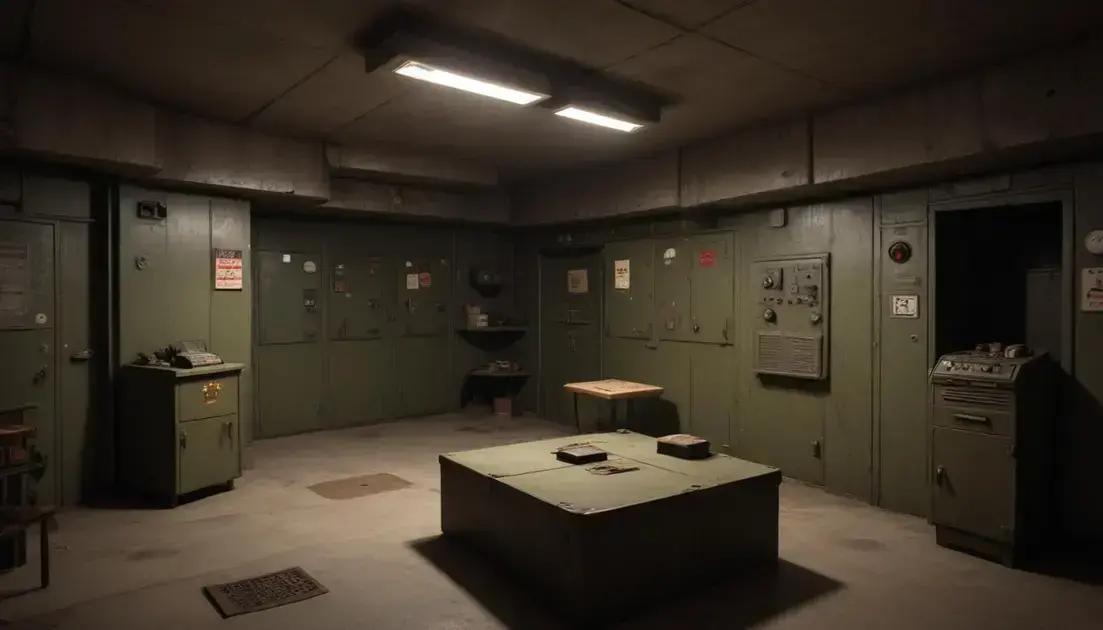
Visiting abandoned Cold War bunkers can feel like stepping back in time. You might see rusted equipment and faded maps. These sites offer a glimpse into history and remind us of the tension that once filled the air.
Today, some organizations are working to preserve these bunkers. They aim to turn them into museums or educational sites. This helps keep the stories alive for future generations.
The Architecture of Survival
The architecture of Cold War bunkers is very unique. These buildings were designed for safety and shelter. Most bunkers have thick concrete walls to resist blasts. They often contain no windows or only very small ones.
Key Features of Bunker Design
Cold War bunkers include essential areas for living. They have sleeping quarters, bathrooms, and kitchens. Everyone inside can find basic comforts during a crisis. Some bunkers even had air filtration systems to clean the air.
Emergency Considerations
Each bunker was built with emergencies in mind. They were designed to keep people safe and functional. The layout focused on efficiency. Space was limited, so every part had a purpose.
The Role of Materials
Construction materials were chosen carefully. Steel and reinforced concrete offered strength. These materials helped protect against explosions. The goal was to keep the structure intact no matter what.
Influence of Military Needs
The military’s needs heavily influenced bunkers’ designs. Features were added based on strategic goals. Planners studied how to maximize protection effectively. This led to innovative designs that were practical and secure.
The architecture of survival reflects a time of fear and uncertainty. These bunkers are reminders of an era when safety was a priority. Their designs show how humanity prepared for the worst.
Cultural Impact of Bunkers
The cultural impact of Cold War bunkers is significant. These hidden structures shaped how people thought about safety and fear. They represent a time when anxiety about nuclear war was real.
Bunkers in Popular Culture
Bunkers appear in movies, books, and even video games. They symbolize survival and preparation. For many, they bring to mind images of action heroes battling against odds.
Public Awareness and Education
Many museums feature bunkers to educate the public. These sites help people understand the past. Tours and exhibits share stories of those who lived through tense times.
Art and Literature
Writers have explored bunkers in fiction and essays. These stories often reflect human emotions like fear, hope, and resilience. They show how people respond to crisis. Bunkers serve as powerful metaphors in literature.
Community Responses
Communities have different reactions about bunkers. Some see them as necessary protections, while others view them as symbols of fear. These varying responses shape the public perspective on safety and preparedness.
Bunkers remind us of the historical context of the Cold War. They reflect our collective memory and continue to spark curiosity today. Understanding their cultural impact helps us learn from the past.
Modern Uses and Preservation
Cold War bunkers have found new life in modern times. Many are being repurposed for various uses. People are now exploring how to preserve these historical sites.
Adaptation for New Purposes
Some bunkers have been converted into shelters or community spaces. These adaptations provide safety while honoring history. Others serve as venues for events or gatherings.
Preservation Efforts
Organizations work hard to preserve these important sites. They aim to protect bunkers from decay and damage. Preservation ensures these structures can be appreciated by future generations.
Historical Tours and Education
Some bunkers are now open to the public for tours. Visitors can learn about Cold War history and the significance of these structures. Educational programs offer insights into how people lived during this time.
Challenges in Preservation
Preserving bunkers comes with challenges. Funding can be limited, making maintenance tough. It’s crucial to balance modern needs with historical integrity.
Modern uses and preservation of Cold War bunkers show their importance today. They connect us to our past while serving present-day needs. These efforts highlight the value of creating spaces that honor history and promote community.
Exploring Abandoned Sites
Exploring abandoned Cold War bunkers can be an exciting adventure. These forgotten places are filled with history waiting to be uncovered. Each site has its own unique story to tell.
What to Expect
When exploring these sites, you might see rusted equipment and old furniture. The atmosphere can feel eerie yet fascinating. It’s a chance to imagine what life was like back then.
Safety First
Always prioritize safety while exploring. Bunkers can have unstable structures and hazardous materials. It’s smart to bring a flashlight and wear sturdy shoes. Going with friends can make it safer and more fun.
Documenting Your Exploration
Consider bringing a camera to capture your adventure. Photographs of abandoned bunkers can tell powerful stories. You can share your experience with others or keep it for personal memories.
Respect the Sites
While exploring, it’s vital to respect the sites. Do not vandalize or take anything. These locations hold historical value and should be preserved.
Exploring abandoned Cold War bunkers allows you to connect with history in a unique way. It sparks curiosity and deepens our understanding of the past.
Conclusion
In conclusion, exploring Cold War bunkers opens a window to our past. These fascinating structures tell stories of fear, survival, and the human spirit. By understanding their history, we gain valuable insights into the world around us.
Whether it’s through visiting these sites or learning about them, we can appreciate the lessons they teach. They remind us of the importance of safety, community, and preparedness. As we uncover these hidden pieces of history, we honor those who lived through those times.
So, if you ever get the chance, take a trip to explore a Cold War bunker. You’ll not only see a unique place but also connect with a pivotal moment in history. Let these stories inspire you as we move forward into the future.