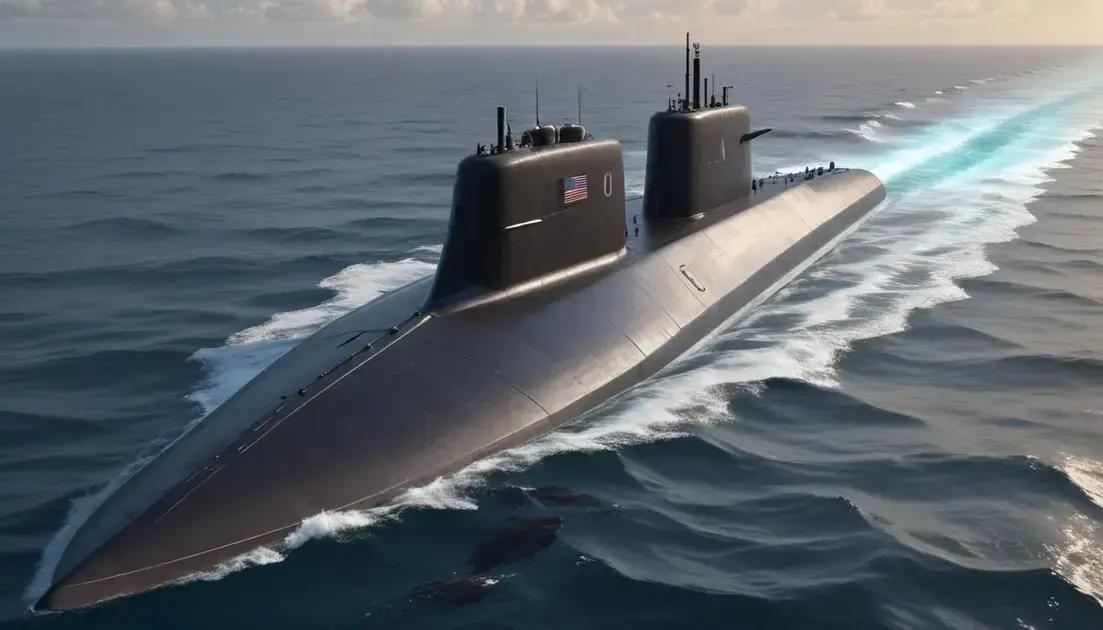
The USS Nautilus and the rise of nuclear naval power
The USS Nautilus, launched in 1954, marked a revolutionary step in naval technology with its nuclear power, allowing it to remain submerged for long periods. This submarine changed the dynamics of warfare, enhancing stealth and strategic capabilities, and leading to advancements in modern naval fleets. The legacy of the Nautilus is evident in today’s nuclear submarines, which continue to play a crucial role in military strategy and global security.
Nuclear naval power transformed the dynamics of warfare, and the USS Nautilus was at the forefront of this revolution. Curious about how this submarine changed everything beneath the waves?
Introduction to the USS Nautilus
The USS Nautilus was the first nuclear-powered submarine in the world. Launched in 1954, it changed naval warfare forever. With its ability to stay submerged for long periods, it outclassed earlier submarines. This made it a revolutionary force under the sea.
Powered by a nuclear reactor, the Nautilus could travel longer distances without needing to surface. This gave it a huge advantage during the Cold War. It could quietly slip into enemy waters, gathering intelligence without being detected.
Design and Features
The Nautilus was a marvel of engineering. It featured a sleek design and advanced technology for its time. The submarine could dive deeper and faster than any conventional submarine. Its reactor was compact yet powerful, allowing for extended missions.
The Cold War Context
At the height of the Cold War, the USS Nautilus showcased America’s naval strength. It highlighted the importance of nuclear technology in military strategy. This submarine paved the way for future nuclear-powered vessels that followed.
As it patrolled the oceans, the Nautilus represented a new era. It made submarines more stealthy and formidable, altering how navies around the world operated.
Historical context of nuclear naval power
The rise of nuclear naval power changed the way nations approached warfare. It began after World War II when countries needed new military technologies. The Cold War fueled this race for advanced naval capabilities.
Nuclear power allowed submarines to operate for long periods without surfacing. This was revolutionary compared to traditional diesel-powered submarines. They needed to come up for air, limiting their time underwater.
The Beginning of Nuclear Submarines
The first nuclear submarine, the USS Nautilus, launched in 1954. This marked a major milestone in naval history. Use of nuclear reactors on submarines meant they could carry out long missions silently.
Strategic Importance
Countries recognized the strategic edge nuclear submarines offered. They provided a means to strike quickly and with greater power. These submarines could avoid detection, making them a critical asset during the Cold War.
Nuclear naval power became a key part of military strategy. Nations invested heavily in developing these technologies, leading to an arms race. Each sought to outdo the other in submarine capabilities.
Technological advancements of the USS Nautilus
The USS Nautilus was not just a submarine; it was a technological breakthrough. It introduced several advanced features that changed the future of naval engineering. The use of a nuclear reactor was its most significant advancement.
This nuclear reactor allowed the Nautilus to operate without surfacing for long periods. This was a major change from diesel-powered submarines. Diesel submarines needed to surface regularly for air, limiting their stealth and mission length.
Design Innovations
The Nautilus had a streamlined design that improved its speed and agility. Its hull was built to reduce noise, making it harder to detect underwater. This improved stealth made the submarine a vital asset during the Cold War.
Navigation and Systems
Advanced navigation systems helped the Nautilus maintain its course accurately. These tools ensured that it could travel great distances without losing direction. The submarine also had state-of-the-art communication systems that allowed it to stay in contact with command.
The Nautilus’s technology didn’t just make it powerful; it paved the way for future submarines. Many of its features set the standard for the entire nuclear submarine fleet.
Impact on naval strategy
The introduction of the USS Nautilus and nuclear submarines changed naval strategy forever. These vessels offered new capabilities that altered how countries approached warfare at sea. Their ability to remain submerged for extended periods made them harder to detect.
Nuclear-powered submarines like the Nautilus could operate longer without needing to surface. This gave them a tactical advantage. They could gather intelligence secretly or launch strikes without warning.
Deterrence Factor
With nuclear submarines, countries enhanced their deterrence strategy. The threat of unseen submarines made potential adversaries think twice. Nations invested in these submarines to maintain military balance and protect their interests.
Adaptations in Naval Fleet
The impact of the Nautilus pushed other navies to adapt. Countries moved quickly to develop their own nuclear fleets. This arms race led to new ship designs and advanced technologies, as everyone sought superiority.
Overall, the USS Nautilus changed not just submarines, but the entire strategy of naval power. It demonstrated the importance of stealth and speed in modern warfare.
Legacy and future of nuclear submarines
The legacy of the USS Nautilus and other nuclear submarines is significant. They changed naval warfare and set new standards for submarine design and technology. Today, they symbolize the pinnacle of underwater military power.
The Nautilus paved the way for future nuclear submarines. Its success led to a new class of vessels, like the Virginia-class and Ohio-class submarines. These submarines are faster, stealthier, and packed with advanced technology.
Modern Advancements
Modern nuclear submarines have improved weapons systems and enhanced sensors. They can conduct a wide range of missions, from intelligence gathering to strategic strike capabilities. Their ongoing development focuses on increasing stealth and reducing crew size.
The Future of Naval Warfare
As global tensions rise, the role of nuclear submarines will continue to grow. They’re crucial for deterrence and projection of power. The future may also bring more unmanned underwater vehicles and advanced AI systems integrated into submarine operations.
The legacy of the Nautilus inspires ongoing innovation. It highlights the importance of adapting to new challenges in naval strategy and technology.
Conclusion
In conclusion, the USS Nautilus and its successors have reshaped modern naval warfare. Their advanced technologies and nuclear power have set new standards for submarines. As we look to the future, these vessels will continue to play a vital role in global security and military strategy.
Understanding the legacy of these submarines helps us appreciate their impact on today’s naval capabilities. With ongoing advancements, nuclear submarines will remain key assets for countries worldwide. They not only serve as a deterrent but also shape the future of warfare at sea. Investing in these technologies ensures that we are prepared for the challenges ahead.
Tags: