The voice that crossed the Iron Curtain
The Cold War was marked by stories of hope and resistance from people behind the Iron Curtain. These individuals faced great adversity but were inspired by radio broadcasts that connected them to a world longing for freedom. Media played a vital role, conveying messages of courage and unity, ultimately fostering a spirit of resilience. Reflecting on these narratives highlights the importance of safeguarding our freedoms and supporting those who continue to strive for a better future.
Cold War broadcasts played a crucial role during a pivotal time in history, offering hope and inspiration to millions. Curious about how these voices transcended borders? Let’s dive in!
Introduction to the Iron Curtain
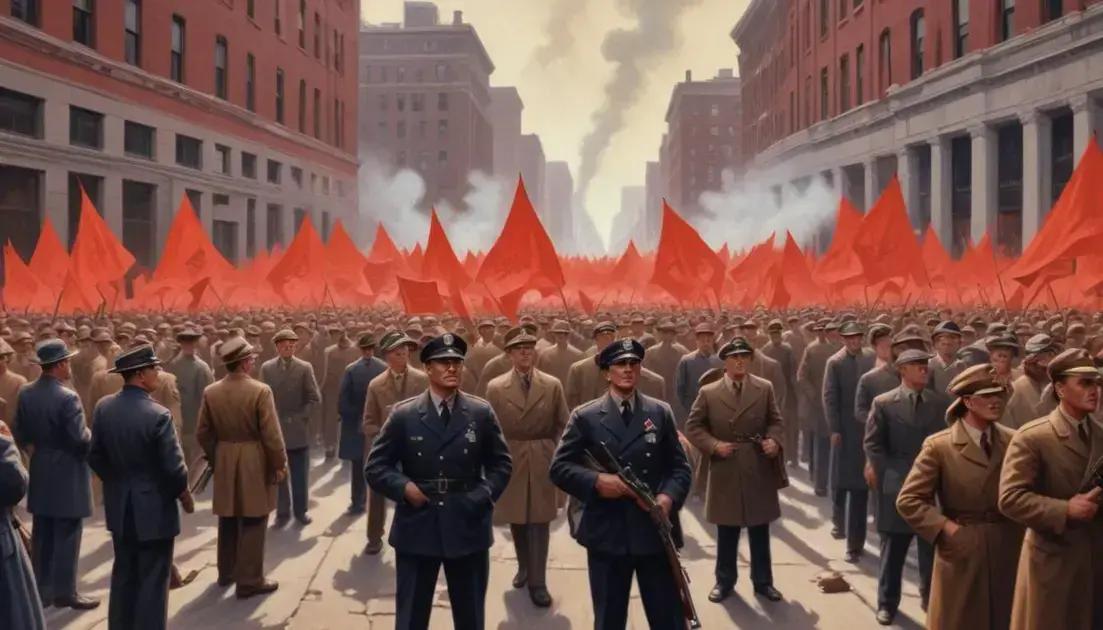
The Iron Curtain was more than just a physical boundary. It represented a deep divide between East and West during the Cold War. Following World War II, Europe was split. Western nations embraced capitalism and democracy, while Eastern countries fell under the influence of the Soviet Union.
This divide wasn’t just political; it affected everyday lives. Families were separated, and communication was restricted. The term “Iron Curtain” was popularized by Winston Churchill in 1946 when he described the growing divide in Europe.
Radio broadcasts played a crucial role during this time. Many people tuned into illegal broadcasts from the West. They sought news and entertainment not controlled by their governments. These voices provided hope and inspiration, letting them know they were not alone.
Understanding the Iron Curtain is key to grasping the struggles that defined the Cold War. It also helps us appreciate the importance of free speech and expression today.
Significance of Broadcasting in the Cold War
Broadcasting during the Cold War was incredibly important. It served as a lifeline for those living behind the Iron Curtain. Reaching out to people in Eastern Europe, these broadcasts offered a glimpse into freedom and the outside world.
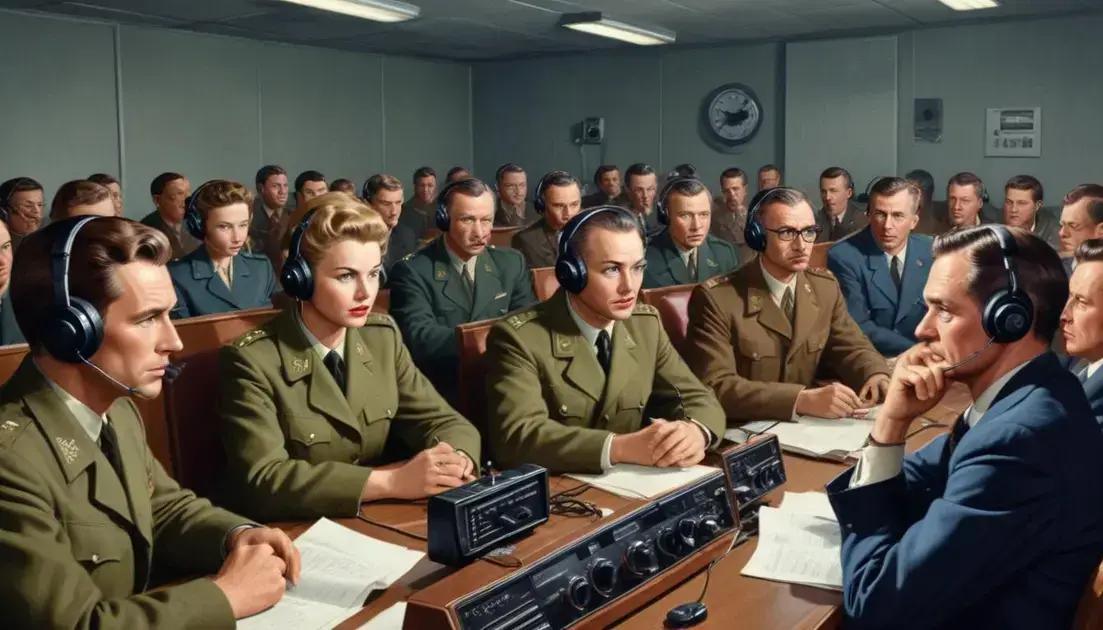
Radio was the primary medium. Stations like Voice of America and Radio Free Europe played a huge role. They provided news, music, and shows that were often banned in communist countries. People would gather around their radios to listen, hoping to hear messages of hope and truth.
These broadcasts were not just about entertainment. They challenged government propaganda and influenced public opinion. Many listeners began to question their own governments. They craved information and news that was accurate and trustworthy.
For many families, these broadcasts were a source of connection. They felt part of a larger community fighting for freedom. This sense of belonging helped them resist oppression and hold on to their hopes for change.
In summary, broadcasting was vital during the Cold War. It helped bridge the gap between East and West and inspired many to seek a brighter future.
Impact of Media and Communication
The media and communication during the Cold War had a huge impact on society. They shaped how people viewed their world and the events around them. News outlets reported differently depending on their government’s stance. This created a landscape where facts could become twisted.
In the East, official news was tightly controlled. Citizens had little access to the truth. They relied on underground networks to learn about life outside their borders. This situation made international broadcasts invaluable.
Western media, on the other hand, aimed to reach audiences behind the Iron Curtain. They sought to expose the lies told by oppressive regimes. This effort allowed the public to hear alternative perspectives. It encouraged them to question the information they received from their governments.
Programs offered more than just news. They included cultural shows, music, and discussions that sparked hope. Listeners felt connected to a greater cause. They found courage to stand against oppression.
The influence of media during this time cannot be overstated. It was a catalyst for change, giving a voice to those who often felt voiceless.
Personal Stories of Hope and Resistance
Personal stories of hope and resistance defined the spirit of the Cold War. People from behind the Iron Curtain showed incredible bravery. They risked everything to seek the truth and fight for freedom.
Many listeners of Western broadcasts were inspired by these stories. One such story is that of a young woman who listened to Radio Free Europe. Every night, she gathered with friends to hear messages of hope. These broadcasts fueled her desire for change.
Another notable tale is of a dissident who wrote pamphlets challenging the regime. He bravely handed them out despite knowing the risks involved. The impact of his actions spread among his peers, sparking a desire for freedom.
These courageous acts were often encouraged by the messages heard on the radio. The media provided a connection to the outside world. It helped people believe they could make a difference.
Each story reminded others that they were not alone. They found strength in unity and shared goals. These personal narratives of hope and resistance continue to inspire generations.
Conclusion and Reflections
Understanding the impact of the Cold War and the Iron Curtain reveals much about human spirit. The stories of hope and resistance show how brave people fought for freedom. Despite challenges, they kept their dreams alive through communication and unity.
Media played a key role in this struggle. It connected people, offered support, and spread messages of hope. Radio broadcasts inspired listeners, showing them they weren’t alone in their fight.
These events teach us valuable lessons about resilience and community. They remind us to appreciate our freedoms and the roles we play in protecting them. Today, we can reflect on these stories and learn from the past.
Conclusion
In conclusion, the stories of hope and resistance during the Cold War show the power of the human spirit. People behind the Iron Curtain faced great challenges but found ways to keep their dreams alive. The role of media and communication was vital in this struggle.
Radio broadcasts not only informed but also inspired many to believe in change. These voices united people and gave them courage. Today, we can reflect on these events to understand the importance of freedom and unity.
Let’s remember these lessons and appreciate the freedoms we have today. The past teaches us to stand together and support those who seek a better future. Together, we can continue to uphold the values of hope and resilience.
Tags: