Thirteen Days That Almost Ended the World
The Cuban Missile Crisis was a critical 13-day standoff in October 1962, where the threat of nuclear war loomed between the US and the Soviet Union. Key decisions, including a naval blockade by President Kennedy, aimed to prevent Soviet missile shipments to Cuba. Political reactions were intense globally, reflecting fears of escalation. Military implications included heightened readiness and strategic adjustments from both nations. Ultimately, the crisis emphasized the importance of diplomacy and communication in maintaining global peace and avoiding catastrophic conflict.
Nuclear War loomed closer in October 1962 than most people realized. This article dives deep into the thirteen days that changed the course of history. What was at stake? Let’s find out.
Introduction
The Cuban Missile Crisis in October 1962 was one of the most intense periods in modern history. People were afraid, as the threat of nuclear war was real and looming. Leaders from the US and the Soviet Union faced tough decisions. Every moment counted, and the world was on edge.
During this crisis, the stakes couldn’t be higher. The decisions made during those thirteen days could change everything. On one side, the US sought to protect its land. On the other, the Soviet Union wanted to show strength and power. The situation was tense, with no easy answers.
Imagine waking up knowing that your leaders were just a decision away from conflict. How would you feel? Thousands of lives hung in the balance, with citizens holding their breath. Families feared what might come next as leaders debated behind closed doors.
This period has been studied and remembered for generations. It teaches us about the importance of communication and understanding. The choices made then can remind us of the value of diplomacy and peace. There are lessons to learn, even today.
The Cuban Missile Crisis
The Cuban Missile Crisis started on October 16, 1962. It was a major confrontation during the Cold War. This crisis happened between the United States and the Soviet Union. Both sides were on high alert, fearing nuclear war.
It all began when American spy planes spotted nuclear missile sites in Cuba. These sites were a mere 90 miles from Florida. This discovery shocked President John F. Kennedy and his advisers. They knew this posed a serious threat to the US.
In response, Kennedy took immediate action. He decided to impose a naval blockade around Cuba. This was meant to prevent any more missiles from reaching the island. The world watched closely as tensions rose. Many feared that a mistake could lead to disaster.
Over the next few days, the situation worsened. Soviet Premier Nikita Khrushchev refused to back down. He sent more ships toward Cuba, raising fears of conflict. The US military was put on high alert, and preparations for possible war began.
The stakes were incredibly high. For thirteen days, the fate of the world hung in the balance. Diplomatic talks continued behind the scenes. Eventually, both leaders agreed to negotiate. They sought a peaceful resolution to avoid a catastrophic outcome.
This crisis taught the world valuable lessons about communication and diplomacy. It highlighted the importance of resolving conflicts without resorting to war. The Cuban Missile Crisis remains a significant moment in history.
Key Decisions
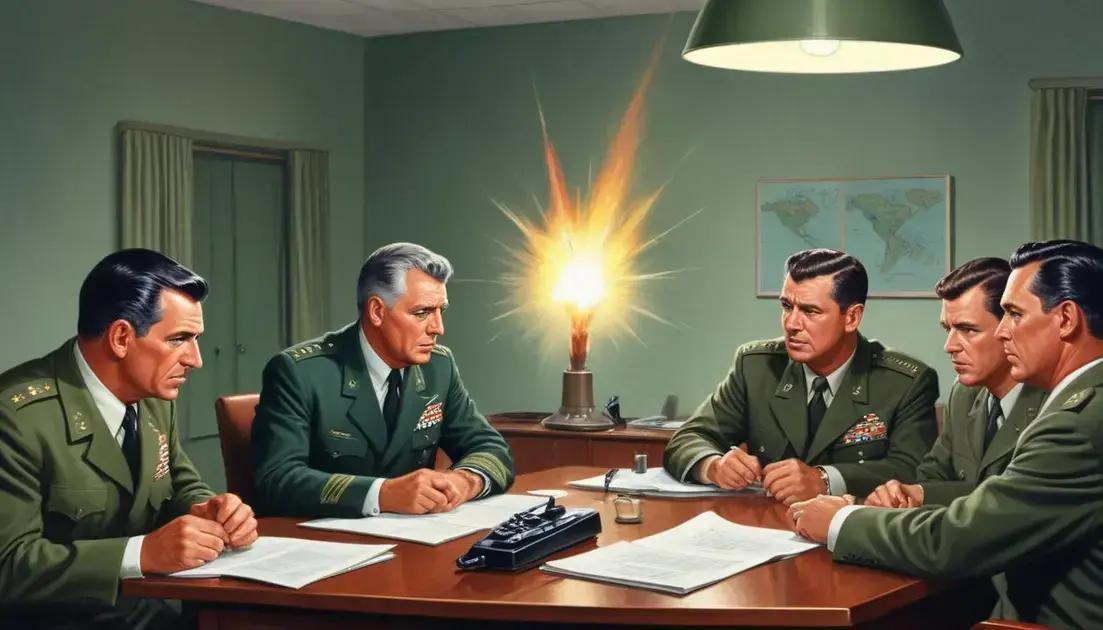
During the Cuban Missile Crisis, key decisions shaped our world. President John F. Kennedy faced a tough choice. He had to decide how to respond to the missiles in Cuba. First, he gathered his top advisers. Together, they discussed options and came up with a plan.
Kennedy chose to implement a naval blockade. This meant stopping Soviet ships from bringing more missiles to Cuba. The blockade was a strong message. It showed that the US wouldn’t accept any more threats close to its shores.
Meanwhile, Kennedy also considered other options, like airstrikes. He knew that airstrikes could lead to nuclear war. This worried him and his team. They wanted to avoid conflict but also needed to protect the US.
As tensions rose, time became crucial. The world watched closely as days passed. Khrushchev made his own moves. He sent a letter suggesting a way to ease the crisis. This opened the door for communication.
Negotiation was vital. Kennedy and Khrushchev exchanged messages. They both wanted to avoid war. In the end, the leaders reached an agreement. The US would remove its missiles from Turkey if the Soviets pulled theirs from Cuba.
These key decisions during the crisis showed the importance of diplomacy. They reminded everyone that talking things out can lead to peace. The choices made back then still impact international relations today.
Political Reactions
The Cuban Missile Crisis sparked strong political reactions around the globe. Leaders from different countries were worried about the threat of nuclear war. The US and Soviet Union faced pressure from their allies and citizens to take action.
In the United States, Kennedy’s decisions were closely watched. Many Americans supported him, while others feared a conflict. Some wanted a strong military response, believing it could protect the nation. Others called for diplomacy, hoping to avoid war.
In the Soviet Union, Nikita Khrushchev faced criticism too. Some party members felt he was backing down in the face of American pressure. They argued that he needed to show more strength. But others knew that avoiding war was crucial.
Countries around the world reacted with concern. NATO allies supported the US stance in the crisis. They worried about the spread of communism. Meanwhile, countries in the non-aligned movement urged both sides to negotiate. They emphasized the need for peace.
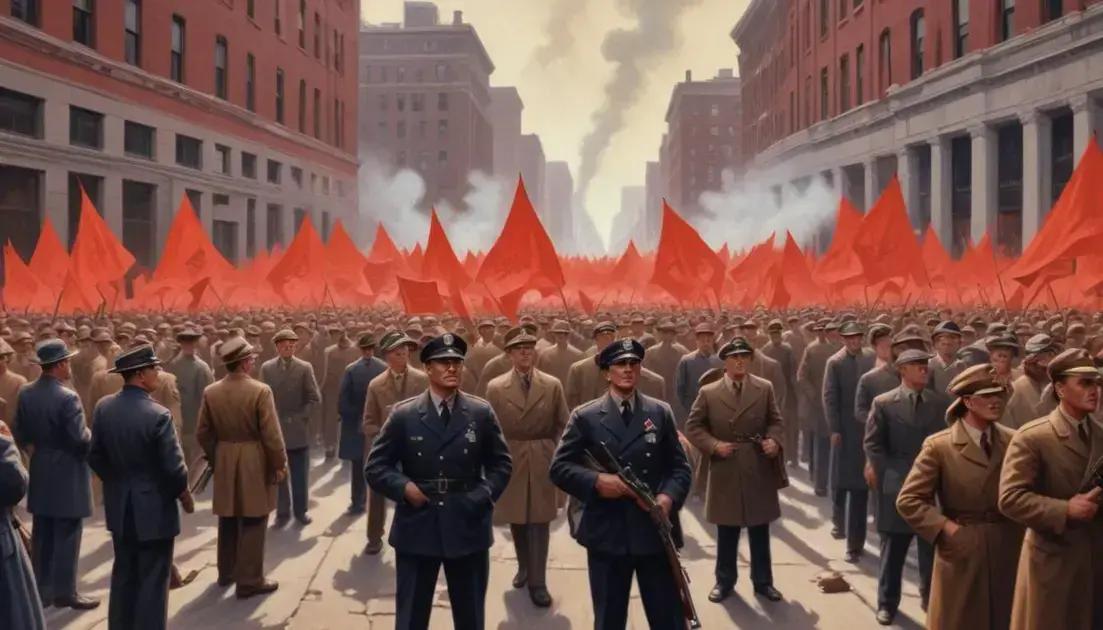
Public opinion played a huge role. People were scared, especially in cities near potential attack zones. Citizens in both the US and Soviet Union held rallies. They expressed their hopes for peace and stability.
Media coverage amplified these reactions. News organizations reported live updates, keeping everyone informed. Both governments tried to control the message, but public sentiment was powerful. The world became more aware of the dangers of nuclear weapons.
These political reactions highlighted the crisis’s global significance. They remind us of the delicate balance of power during the Cold War. The tension affected not just the US and the USSR, but everyone.
Military Implications
The Cuban Missile Crisis had serious military implications for both the US and the Soviet Union. When the missiles were discovered in Cuba, tensions skyrocketed. The threat of nuclear war forced both sides to rethink their military strategies.
The US quickly increased its military readiness. Troops were put on alert, and strategic bombers were deployed. This was a clear signal that the US was prepared to act if necessary. They also implemented a naval blockade, a strong military move.
On the Soviet side, military leaders were also on edge. They had placed missiles in Cuba to protect their interests. They feared that the US might launch an attack to remove them. This led to a heightened sense of urgency among Soviet forces.
Both nations understood the stakes. Any military action could escalate into full-scale war. This fear of nuclear confrontation pushed leaders to seek diplomatic solutions. They knew that direct conflict could lead to devastating losses on both sides.
The crisis changed military policies in the long run. Afterward, the US and the USSR began to invest more in arms control. They realized the need to prevent future conflicts. The establishment of hotlines for direct communication was one outcome of this realization. This helped reduce misunderstandings and improved crisis management.
Militarily, the crisis showed the world how close we were to disaster. It underscored the importance of careful planning and communication. Leaders learned that clear dialogue could prevent unnecessary wars.
Conclusion
While we’re avoiding conclusions, it’s important to reflect on the Cuban Missile Crisis. This tense situation highlighted the real dangers of nuclear war. For thirteen days, the world held its breath, fearing disaster.
Key decisions made during this time changed how countries view military power. They stressed the importance of communication and negotiation. After the crisis, both the US and the Soviet Union worked to prevent similar conflicts.
It’s vital to remember that history teaches us lessons. The attacks in World War II and the threat during the Cold War shaped today’s world. Learning from the past can help prevent future mistakes.
Understanding the Cuban Missile Crisis allows us to see the value of peace. Diplomacy, not war, should always be the goal. When leaders focus on dialogue, the world becomes a safer place.
Conclusion
In conclusion, the Cuban Missile Crisis taught us important lessons about communication and peace. The world saw how close we came to nuclear war, and it highlighted the need for careful decisions during a crisis. Both the US and the Soviet Union learned that dialogue is crucial in avoiding conflict.
Understanding this historical moment helps us appreciate the value of diplomacy today. When leaders choose to talk rather than fight, it makes the world safer for everyone. Remembering the past can guide us in making better choices for the future.
As we reflect on the lessons from the crisis, let’s hope to never face such a tense situation again. By promoting peace, we can work towards a brighter and safer tomorrow for generations to come.