Trail of Tears: the forced removal of Native nations
The Trail of Tears refers to the forced relocation of Native American tribes in the 1830s, profoundly impacting their communities and cultures. This tragic journey led to the loss of thousands of lives due to disease, hunger, and harsh conditions. The legacy of the Trail of Tears serves as a powerful reminder of the resilience of Indigenous nations and has sparked a continued fight for rights and recognition. Understanding this history is crucial for honoring the past and fostering awareness about ongoing issues faced by Native Americans today.
The Trail of Tears represents a dark chapter in American history, reflecting the devastating effects of forced relocation on Native nations. This profound experience reshaped Indigenous lives and cultures forever.
Historical Context
The Trail of Tears is a term that describes the forced relocation of Native American tribes from their ancestral lands. This tragic event occurred mainly in the 1830s and affected thousands of Indigenous people. It was a time of great sadness and loss for many.
Under the Indian Removal Act of 1830, several tribes, including the Cherokee, Choctaw, and Seminole, were ordered to leave their homes. They were promised land in the west, but the journey was long and dangerous. Many faced harsh weather, disease, and food shortages.
As they traveled, entire families were separated. The government did not provide enough support for these displaced people. Sadly, thousands of Native Americans died along the way. This dark chapter in history still impacts Indigenous communities today.
Understanding the context of the Trail of Tears is essential. It highlights the struggle for rights and recognition that Indigenous peoples continue to face. Learning about their history helps honor their resilience and fight for justice.
The Journey
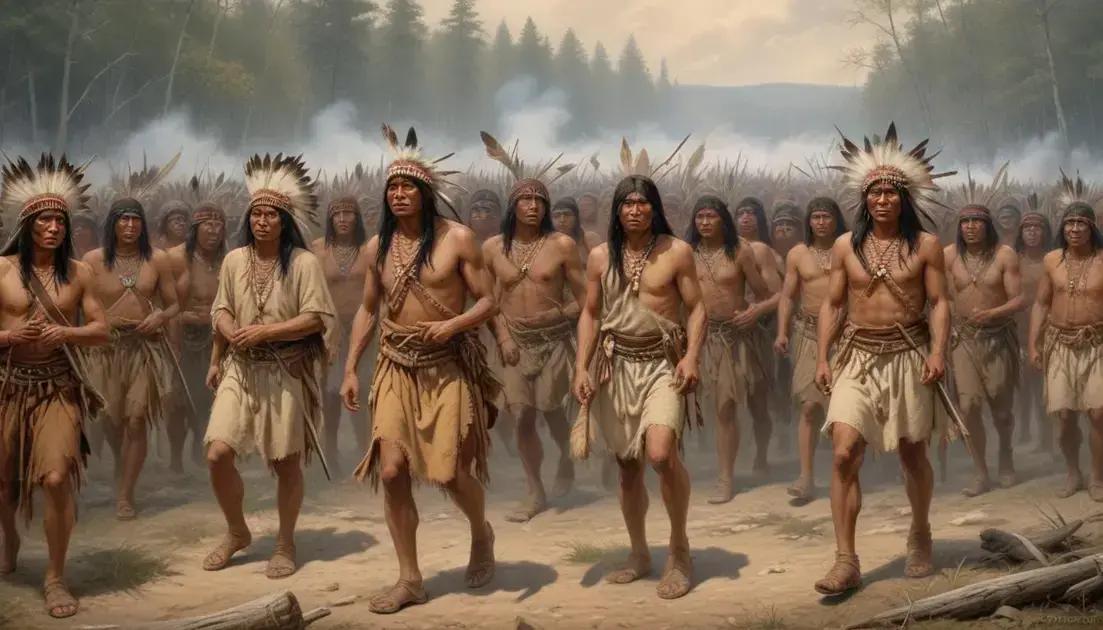
The journey of the Trail of Tears was filled with hardship and suffering. Native Americans were forced to leave their homes and travel long distances. They walked thousands of miles to reach new lands, which were often harsh and unfamiliar.
During this forced migration, many faced extreme weather conditions. Some traveled under a hot sun, while others braved cold rain and snow. The lack of proper clothing made the journey even harder.
Food was scarce on the way. Families struggled to find enough to eat. Some had to rely on what little the government offered, but it was often not enough. Many went hungry.
As they marched, disease spread quickly among the people. Sickness, like cholera and pneumonia, claimed many lives along the trail. The emotional toll was enormous, as families lost loved ones too soon.
Despite the challenges, the spirit of survival was strong. Many Native Americans supported each other during this tough time. They shared stories, songs, and hopes for a better future.
The Journey is essential to remember. It shows how resilient Native Americans were and how they kept their culture alive, even in the face of adversity.
Impact on Indigenous Nations
The Impact on Indigenous Nations due to the Trail of Tears was profound and lasting. This forced removal shattered communities and disrupted cultures that had thrived for centuries. Many families lost their homes, lands, and a way of life they cherished.
As tribes were relocated, they faced new challenges in unfamiliar territories. The struggle to adapt and survive in these new places was tough. The trauma from the journey affected the emotional well-being of entire communities.
Loss of life during the journey was devastating. Thousands of Native Americans died from disease, hunger, and exhaustion. The scars of this loss are felt even today. Survivors had to cope with grief and rebuild their lives amidst great loss.
Additionally, the Trail of Tears pushed Native American cultures closer to the brink of extinction. Traditional practices, languages, and stories struggled to survive. Many were forced to abandon their customs in order to adapt to new realities.
Moreover, the impact extended beyond the individual tribes. It changed the way Indigenous nations interacted with the U.S. government. Many sought new ways to fight for their rights and recognition as a result of these tragic events.
Understanding this impact is crucial. It helps us see the resilience of Indigenous nations and their ongoing fight for cultural preservation and justice.
Legacy and Remembrance
The Legacy and Remembrance of the Trail of Tears is crucial for understanding Indigenous history. This painful chapter serves as a reminder of the resilience of Native nations. Many continue to honor their ancestors who faced unimaginable hardships.
In recent years, various events and memorials have emerged. These gatherings help keep the memory of those lost alive. They offer a space for reflection and healing among communities.
Educational programs about the Trail of Tears are vital. They help spread awareness of its significance among younger generations. By teaching this history, we can promote understanding and respect for Indigenous cultures.
Many tribes have created ways to remember their past. Storytelling, art, and rituals play a key role in preserving their heritage. These expressions keep the spirit of their ancestors alive in today’s world.
As we acknowledge the legacy of the Trail of Tears, we also look to the future. The fight for rights and recognition of Indigenous peoples continues. Their stories inspire others to stand up against injustices.
Remembering the past is essential for creating a more just future. It allows us to honor those who suffered and to learn from their experiences.
Conclusion
In conclusion, the journey and impact of the Trail of Tears are vital parts of American history. This tragic event shaped the lives of Native American tribes and left lasting scars on their communities. Acknowledging this history is important for all of us.
Commemorating the legacy of those who suffered helps us remember the resilience of Indigenous nations. It’s essential to keep their stories alive through education and remembrance. These efforts not only honor their past but also inspire future generations to understand the importance of cultural preservation.
As we move forward, we should learn from this history. Recognizing the struggles faced by Native Americans reminds us to stand against injustice today. We can work together to make a more inclusive and respectful future for everyone.