USA and China: The New Race for Space
The ongoing Space Race between the USA and China highlights both the opportunities and challenges in space exploration. Economic motives drive investments in space technologies, while the role of the private sector introduces innovation and competition. As nations face the dual aspects of collaboration and conflict, strategic partnerships may emerge to navigate resource disputes and military interests in space. The future depends on how countries choose to cooperate or compete, shaping the overall landscape of space governance.
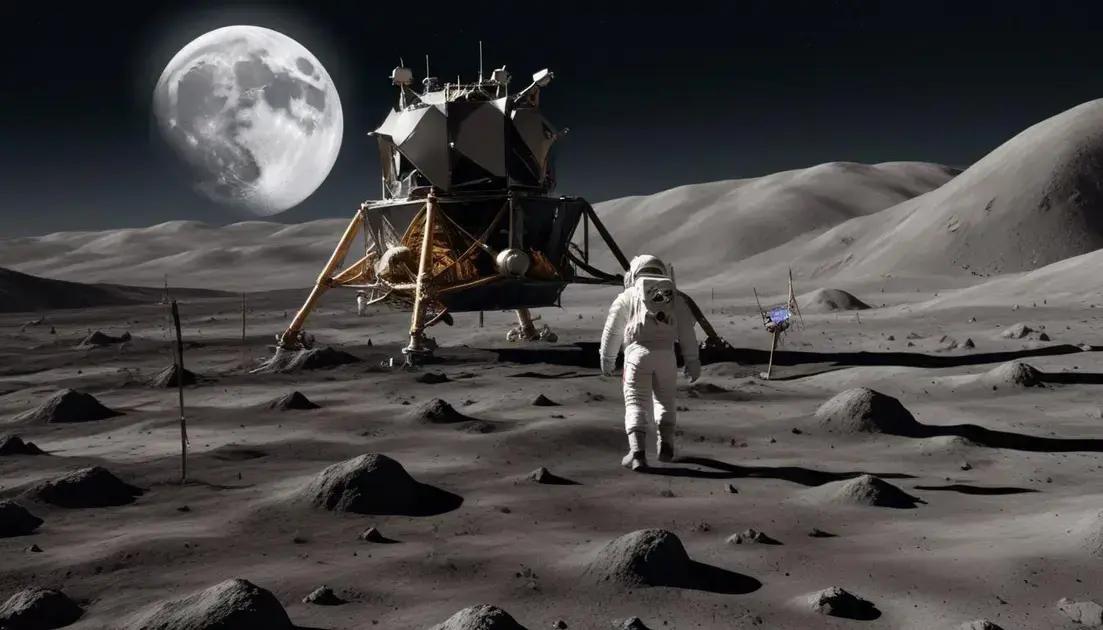
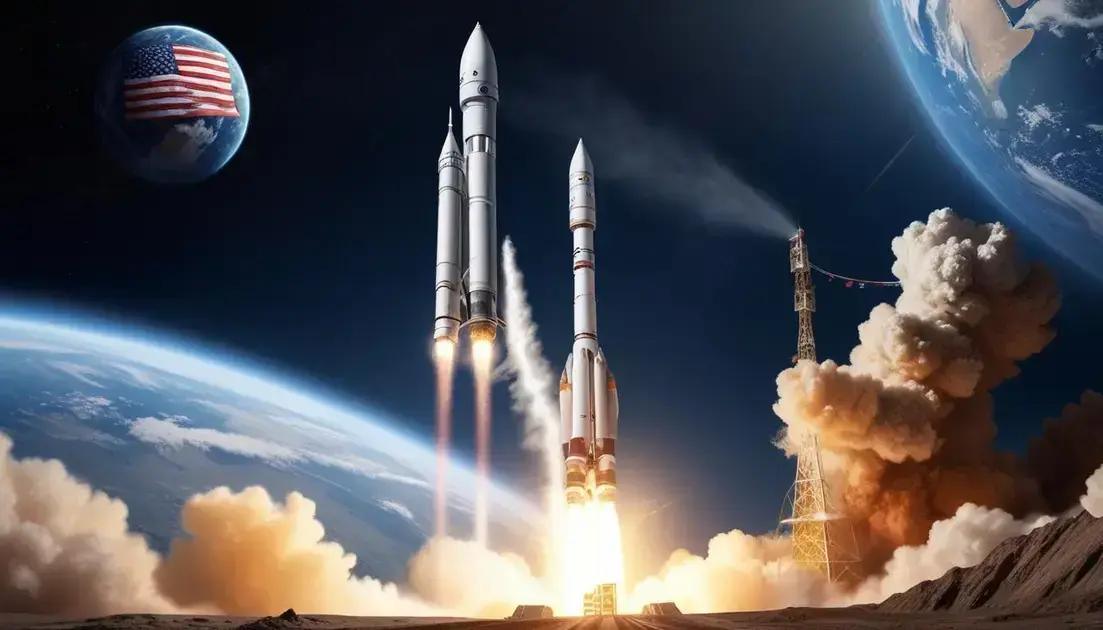
The Space Race has taken a bold new turn in the 21st century as nations like the USA and China vie for cosmic supremacy. What’s at stake? Let’s dive in!
The Origins of the Space Race
The Space Race began in the late 1950s. It was sparked by the rivalry between the USA and the Soviet Union. Each country wanted to prove its superiority in science and technology.
The first major event was the launch of Sputnik by the Soviet Union in 1957. This was the world’s first artificial satellite. It shocked many in the USA and changed the course of history.
In response, the USA launched its own satellite, Explorer 1, in 1958. This marked the start of serious competition between the two superpowers.
The Cold War played a big role in the Space Race. Both nations wanted to show their strength. Space exploration became a way to gain pride and support from their citizens.
Funds were poured into research and development. Schools began focusing more on math and science. This was to ensure the USA could keep up with the Soviets.
The Space Race wasn’t just about rockets and satellites. It became a symbol of national pride and human creativity. As these two nations raced to space, they inspired millions around the globe.
Economic Motivations Behind Space Exploration
Economic motivations drive much of the current space exploration. Countries invest heavily to boost their economies and technologies. Space offers many opportunities for new industries.
One reason is the potential for resource extraction. Asteroids and the Moon may hold valuable minerals. These resources could benefit future generations economically.
Private companies are also jumping in. They see profit potential in launching satellites and space tourism. This creates jobs and offers new services for people on Earth.
Governments support space missions not only for science but for national strength. Investing in space helps countries stay competitive. It shows they are leaders in technology.
Many hope that space exploration will lead to new innovations. Technologies developed for space travel often benefit life on Earth. Think about how GPS and telecommunications were shaped by satellites.
The race to explore space goes beyond national pride. It’s about creating a sustainable future and economic growth. As nations invest in space, they are also investing in themselves.
Strategic Implications for Global Politics
The strategic implications of space exploration extend beyond science. Countries are using their space programs to enhance global standing. This creates a new arena for international competition.
As nations explore space, they also claim parts of it. This can lead to tensions over resources and territory. For example, the Moon and asteroids could become hotspots for conflict.
Space missions boost a nation’s power. They show technological strength and innovation. Countries like the USA and China aim to lead in this area. Their achievements in space become a point of national pride.
Alliances are also shifting because of space. Nations might work together on joint missions. This can help improve relationships and build trust. However, it may also cause rivals to team up against a common threat.
Global politics is changing. Countries recognize that space offers more than exploration. It’s about making a strong statement. Nations now aim not just to explore but to secure their interests.
As more players enter space, watch for shifts in policies and partnerships. The future of global politics may hinge on who leads the charge into the stars.
The Role of Private Sector in Space Ventures
The private sector plays a crucial role in today’s space ventures. Companies are stepping in to innovate and explore. This changes the landscape of space exploration.
For years, space was largely a government affair. Now, companies like SpaceX and Blue Origin lead the way. They bring new technology and ideas to the table.
One major benefit is cost reduction. Private firms often find ways to launch satellites and missions cheaper. This competition helps make space more accessible to everyone.
Moreover, private companies focus on different goals. Some aim for space tourism, while others look to mine asteroids. This diversity enriches the entire space industry.
Investors see opportunities in space too. Funding from private sources helps startups grow. This leads to new jobs and technology advancements.
Public-private partnerships are becoming common. These collaborations combine government support with private innovation. Together, they tackle big challenges in space exploration.
Overall, the private sector brings energy and creativity to space. It helps us dream bigger and reach further than ever before.
Looking Ahead: Future of Space Cooperation and Conflict
As we look ahead, the future of space cooperation and conflict is uncertain. Nations are facing choices about collaboration and competition.
On one hand, countries can work together. Joint missions could advance science and exploration. Sharing resources might make space travel safer and more efficient.
On the other hand, competition is fierce. With more nations exploring space, tensions may rise. Conflicts over resources could lead to disputes over territory.
As technology evolves, space may become crowded. Satellites orbiting Earth increase the chances of collisions. This raises questions about how to manage the space traffic.
Moreover, the use of space for military purposes is changing the landscape. Nations may deploy weapons or defense systems in space. This could create an arms race beyond our planet.
Despite challenges, there’s hope for peace. International agreements can guide behavior in space. Treaties may help prevent conflict and promote fair use of shared resources.
The choices made today will shape the future. Whether countries choose cooperation or conflict will impact generations to come.
Conclusion
In conclusion, the race for space between nations like the USA and China highlights the importance of both cooperation and competition in the coming years. As countries invest in space exploration, they not only seek economic gain but also strive for technological advancement and global prestige. The role of the private sector adds another layer, fostering innovation and reduced costs.
While there are exciting opportunities ahead, challenges also exist. Conflicts over resources and the growing military presence in space need careful management. Treaties and international agreements may be essential to maintain peace and promote collaboration.
Ultimately, the future of space exploration will depend on the choices made today. By choosing cooperation over conflict, nations can inspire future generations and unlock the vast potential of the cosmos.