Vandals: the warriors who sacked Rome
The Vandals, often misunderstood as mere barbarians, played a significant role in history. Their legacy includes a complex society noted for unique cultural contributions, such as art and architecture, as well as a notable level of religious tolerance. While they are often remembered for the Sack of Rome, their impact extended beyond warfare as they established a powerful kingdom in North Africa that thrived through trade and governance. Understanding the Vandals helps us appreciate their multifaceted history and the lessons it offers about resilience and cultural richness.
Vandals: the name alone stirs up images of chaos and destruction. But what if I told you there’s so much more to their story? Dive in to unravel the history of these warriors and their impact on Ancient Rome!
The Origins of the Vandals
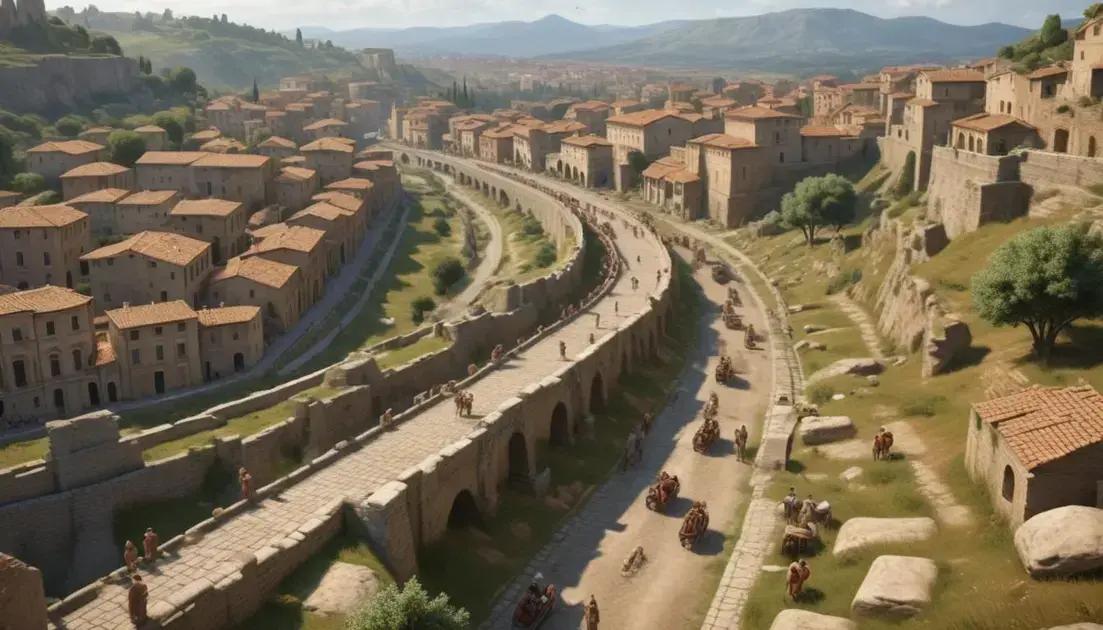
The Vandals were a group that originally came from Central Europe. They were known for their unique culture and fierce spirit. Around the 5th century, they began to move south. This migration took them through the Roman Empire’s borders, where they sought new lands to settle.
As the Vandals traveled, they faced many challenges. They fought against different tribes and even against the Romans. Their journey led them to North Africa, where they established a powerful kingdom. This kingdom became a significant player in the Mediterranean world.
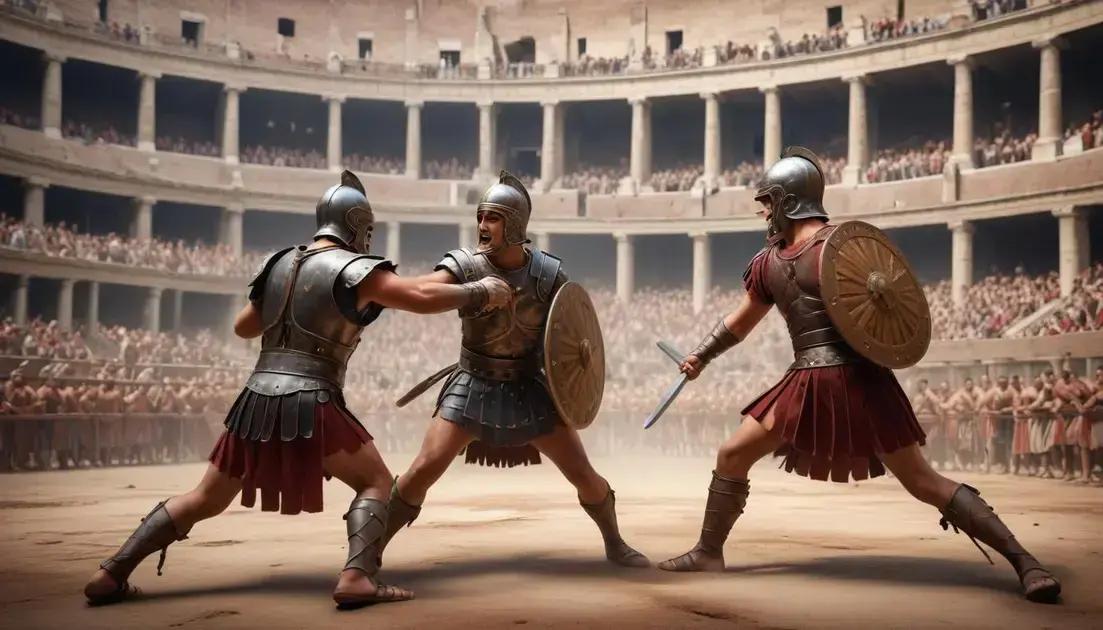
The Vandal people were skilled warriors. They used their strength to defend their new homes and expand their territory. However, they also had a rich culture. They created beautiful art and shared their customs with others around them.
Despite their fierce reputation, understanding the Vandals goes beyond their battles. Their story shows us the struggles and triumphs of a unique people trying to find their place in a changing world.
Vandal Society and Culture
The Vandals had a rich society and culture that set them apart. They were more than just warriors; they had their own traditions and customs. Family was very important to them. They lived in communities and relied on each other for support.
Many Vandals were skilled artisans. They created beautiful crafts, like pottery and jewelry. Their art often reflected their beliefs and daily life. The Vandals also valued storytelling. They shared tales that passed down their history and taught lessons.
Religion played a significant role in Vandal life. They followed Arian Christianity, which was different from what the Romans practiced. This difference sometimes led to conflicts with the Roman Empire. Yet, it also helped shape their identity.
The Vandals enjoyed festivals where they celebrated their victories and honored their gods. These gatherings brought people together, strengthening their bonds and sense of community. They danced, sang, and feasted to mark special occasions.
Understanding Vandal culture gives us a glimpse into their lives. It’s easy to see them just as conquerors, but their society was much more complex and rich.
The Sack of Rome
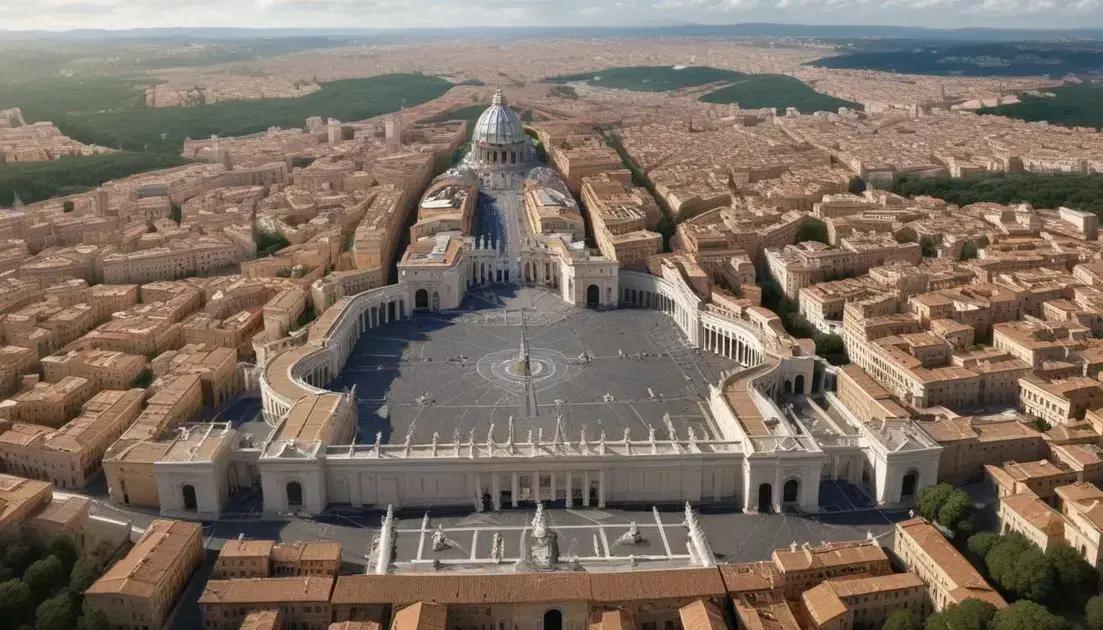
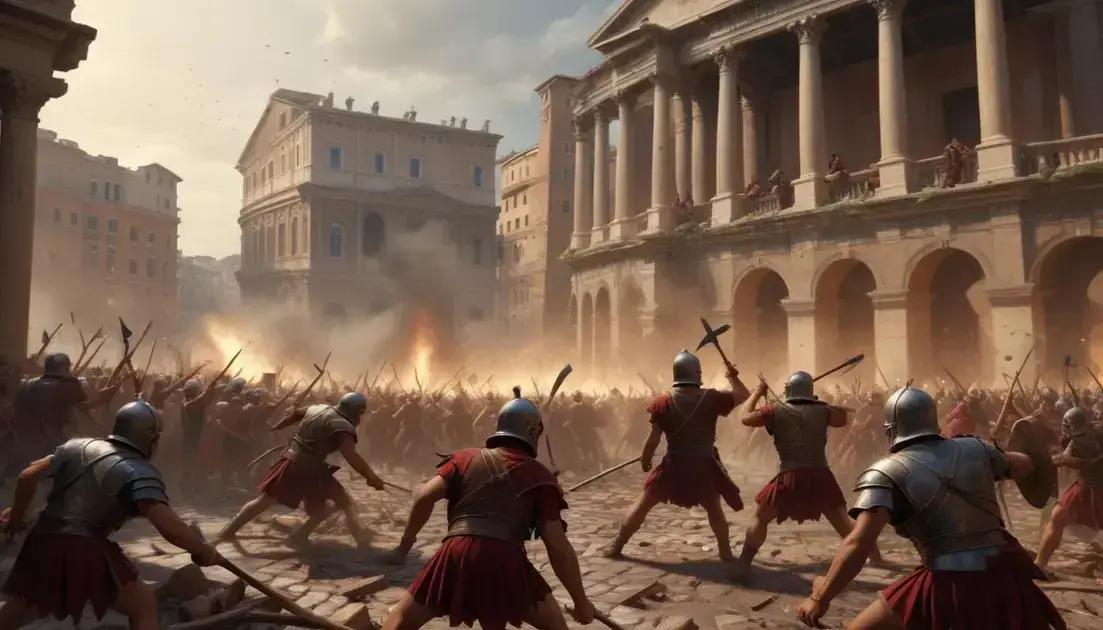
The Sack of Rome in 455 AD was a turning point in history. Led by the Vandals, this event shocked the Roman Empire. The Vandals sailed across the Mediterranean and entered Rome with strength and surprise.
As they marched through the city, they showed their military skills. They faced little resistance from the Roman defenders. The Romans were unprepared for such an attack. The Vandals took advantage of this and moved quickly.
During the sack, the Vandals looted treasures, including gold and silver items. They also took valuable artworks. This wasn’t just a rampage; it was a carefully planned operation to weaken Rome’s influence.
The event lasted for about two weeks. The Vandals not only stole wealth but also sent a message. They showed that Rome was not invincible. The Vandals left their mark on the city and the empire.
Even today, the Sack of Rome is remembered as a significant event. It changed how people viewed both the Vandals and the declining power of Rome.
Legacy of the Vandals
The legacy of the Vandals is complex and often misunderstood. Many think of them only as barbarians who attacked Rome. However, their impact goes beyond just destruction.
After the Sack of Rome, the Vandals established a powerful kingdom in North Africa. They ruled from Carthage and became a significant maritime power. This helped them control trade routes in the Mediterranean.
Vandal society contributed to art and culture too. They produced unique artwork and architecture that influenced future generations. Their approach to governance set a precedent for other tribes in the region.
Despite their fierce reputation, the Vandals also promoted religious freedom. They allowed different faiths to exist within their lands. This tolerance helped their kingdom thrive for many years.
The Vandals eventually fell to the Byzantine Empire in the 6th century. Yet, their legacy lived on. They showed that smaller tribes could challenge great empires and leave a mark on history.
Misconceptions About the Vandals
Many people have misconceptions about the Vandals. Often, they are viewed just as savage destroyers. While they did sack cities, this isn’t the full story.
One common myth is that the Vandals were only mindless warriors. In truth, they had a rich culture and society. They created art and engaged in trade, showing they were more than just fighters.
Another misconception is that their Christian beliefs made them intolerant. The Vandals practiced Arian Christianity, which differed from the majority. However, they allowed other religions to exist, promoting a form of religious tolerance.
Some think the Vandals were the sole reason for Rome’s fall. While they played a part, many factors contributed to Rome’s decline, like internal strife and economic issues. It’s important to see the bigger picture.
These myths cloud our understanding of the Vandals. They were a significant group with a complex legacy, deserving a closer look beyond the stereotypes.
Conclusion
In conclusion, understanding the history of the Vandals offers a richer view of our past. They were more than just warriors; they had a unique culture and impact. Their journey shows us the complexities of ancient societies.
While many think of the Vandals as mere destroyers, their contributions to art, governance, and even religious tolerance shaped their legacy. Misconceptions often overshadow their true story.
By exploring their history, we can appreciate the Vandals for their role in shaping the world. They remind us that history is often more complicated than it appears. Knowing this helps us learn and grow from the lessons of the past.