Vietnam: how America lost more than a war
The Vietnam War had significant and lasting effects on American society and foreign policy. It introduced a new level of media exposure, significantly shifting public perception of military actions. The war fueled protests and changed how citizens viewed government decisions, leading to the War Powers Act of 1973. Additionally, challenges faced by returning veterans highlighted the importance of veteran care. Overall, the conflicts of Vietnam reshaped U.S. military strategy and relationships with allies, leaving a legacy that influences current policies and societal views on war.
Vietnam War continues to influence American society deeply, challenging our views of power, unity, and ethical warfare. Let’s dive into its lasting impacts.
Overview of the Vietnam War
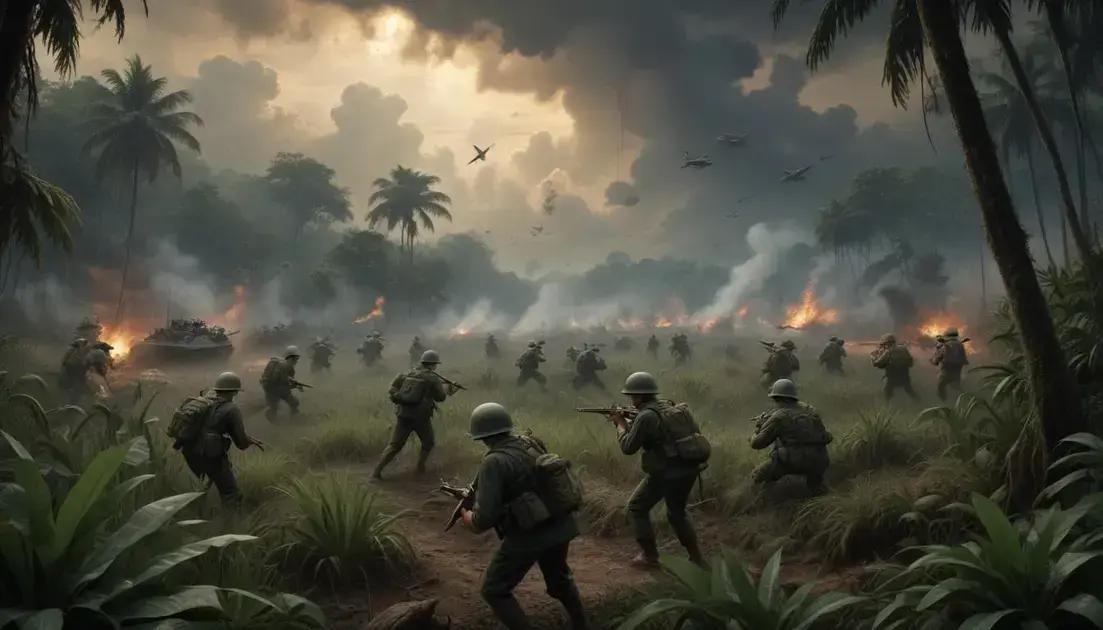
The Vietnam War was a long and difficult conflict that lasted from the late 1950s to 1975. It mainly involved North Vietnam and its communist allies fighting against South Vietnam. The United States supported South Vietnam to stop the spread of communism. This war brought massive changes to both sides and deeply affected American society.
Background of the War
The roots of the Vietnam War lie in the fight for independence from French colonial rule. After World War II, Vietnam was split into two parts: North Vietnam, which became communist, and South Vietnam, which was not.
Major Events
Some key moments in the war include the Gulf of Tonkin incident in 1964 and the Tet Offensive in 1968. These events shifted public opinion in the U.S. and intensified the conflict.
Impact on Vietnam
The war caused widespread destruction in Vietnam, resulting in millions of lives lost and many more injured. Cities were reduced to rubble, and the economy was devastated. The lasting effects can still be seen today.
Impact on the United States
In the U.S., the Vietnam War led to protests and significant social changes. Many Americans began to question their government and military involvement. This hesitation towards authority has shaped American politics ever since.
Even after the war, the legacy of Vietnam influences foreign policy and public perception of conflicts. It’s important to remember the lessons learned from this difficult chapter in history.
Impact on American Society
The Vietnam War had a huge impact on American society. It changed how people viewed the government and military actions. Many Americans protested against the war, voicing their concerns on college campuses and in cities.
Protests and Movements
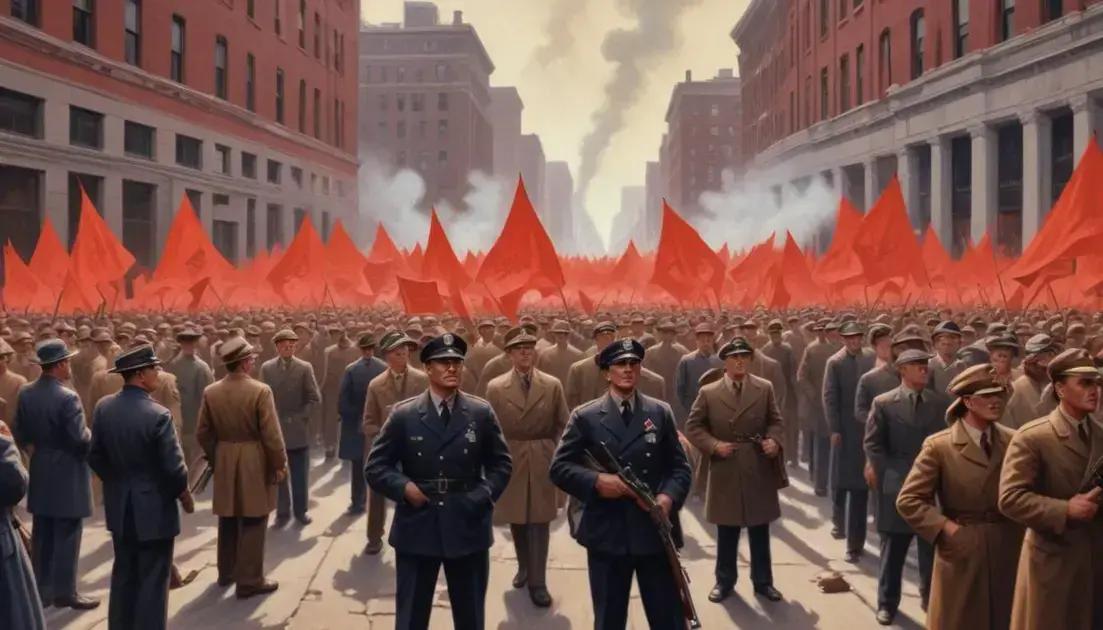
During the war, large protests became common. People marched to show they were against U.S. involvement in Vietnam. Groups like the Students for a Democratic Society organized many rallies.
Changing Attitudes
The war made people question their government’s decisions. As more news about the conflict reached the public, trust in leaders began to fade. This shift led to a more critical view of U.S. foreign policy.
Effects on Culture
The Vietnam War also influenced music and art. Songs about the war became popular, expressing feelings of anger and sadness. Movies and books began to explore the darker side of conflict and its consequences.
Veterans and Society
The war left deep scars on returning veterans. Many faced challenges adjusting to life back home. Society struggled to understand their experiences, which led to the creation of veteran support groups.
The legacy of the Vietnam War still resonates today. It taught lessons about the costs of war, making people more aware of the effects conflicts have on society as a whole.
Lessons Learned from Vietnam
The Vietnam War taught many valuable lessons that we still remember today. One important lesson is the impact of public opinion on military decisions. When people protested against the war, it showed how powerful citizens can be.
Understanding the Cost of War
Another lesson is understanding the true cost of war. The Vietnam War resulted in many lives lost and families affected. It highlighted the human toll of conflict.
The Role of Media
The media played a big role during the Vietnam War. For the first time, Americans saw real images of war on their TV screens. This change made people more aware of what was happening.
Importance of Clear Objectives
Setting clear goals is vital in conflict. The Vietnam War showed that vague objectives can lead to confusion and failure. Knowing what to achieve helps guide military actions.
Veteran Care
Lastly, taking care of veterans is crucial. Many soldiers returned home with physical and emotional scars. Society learned the importance of support systems for those who serve.
These lessons remind us to think critically about our actions and to prioritize the well-being of all involved.
The Role of Media in the War
The media played a vital role during the Vietnam War. For the first time, soldiers and battles were shown live on television. This change gave Americans a front-row seat to the war.
Television Coverage
News broadcasts brought graphic images of the conflict into homes. People saw not just the heroism but also the chaos and tragedy. This honesty changed how the public viewed war.
Print Media Influence
Newspapers also played a key part. Journalists reported on events from the battlefield, telling stories of soldiers and civilians. Their articles highlighted the struggle and sacrifices made.
Impact on Public Opinion
The media’s portrayal of the war sparked conversations. As images and stories circulated, many began to question the government’s actions. This shift in opinion led to widespread protests against the war.
Changing Journalism
The Vietnam War changed journalism forever. Reporters began to cover events with a sense of responsibility. They knew their words and pictures could influence public perception and policy.
In many ways, the media helped shape the Vietnam War experience for Americans. It opened eyes to the reality of conflict like never before, making it a significant chapter in U.S. history.
Consequences on Foreign Policy
The Vietnam War had a lasting impact on U.S. foreign policy. It changed how the country approached conflicts around the world. Many leaders learned valuable lessons from this war.
Shift in Military Strategy
One significant change was in military strategy. After Vietnam, U.S. leaders became more cautious about sending troops into battle. They focused on smart interventions instead of large-scale deployments.
War Powers Act
The Vietnam War also led to the War Powers Act of 1973. This law limits the president’s ability to send troops without Congress’s approval. It was a direct response to the concerns raised during the war.
Relations with Allies
Furthermore, the war strained relationships with U.S. allies. Countries began to question American reliability. They worried about support during crises, leading to more diplomatic negotiations.
Global Perception
Internationally, the Vietnam War influenced how other nations viewed the U.S. The war highlighted the limits of American power and changed its image. It forced the U.S. to rethink its role in global affairs.
Overall, the consequences of the Vietnam War reshaped U.S. foreign policy for years. Understanding these changes helps us navigate current international issues.
Conclusion
In conclusion, the Vietnam War taught us many important lessons that still matter today. It showed the power of public opinion and how it can shape government actions. The role of the media changed forever, bringing the realities of war into our living rooms.
Furthermore, we learned the importance of clear military objectives and the need to care for our veterans. The war also reshaped U.S. foreign policy, urging a more cautious approach in the future.
By reflecting on these lessons, we can better understand conflicts today. The Vietnam War remains a significant part of history, reminding us of the need for change and growth in our society.
Tags: