Vietnam War: conflict, protest, and legacy
The Vietnam War significantly impacted the nation, leading to millions of casualties and widespread destruction. It shaped public opinion, sparked major protests, and highlighted the importance of media coverage. The war’s legacy includes lessons on military intervention, the human costs of conflict, and the need for public support in foreign affairs.
The Vietnam War was more than just a conflict; it was a storm of emotions, beliefs, and politics. Let’s journey through its complex legacy.
The Background of the Vietnam War
The Vietnam War began in the late 1950s. It was a struggle for power between North and South Vietnam. North Vietnam, backed by China and the Soviet Union, wanted a communist government. South Vietnam, supported by the United States, wanted to remain democratic.
Many people in the U.S. didn’t think we should be involved. However, leaders believed that stopping the spread of communism was vital. This idea was called the “Domino Theory.” It suggested that if one country fell to communism, others would follow.
By the early 1960s, American troops were sent to Vietnam to help the South Vietnamese government. The conflict escalated as more soldiers were deployed, and the war became intense.
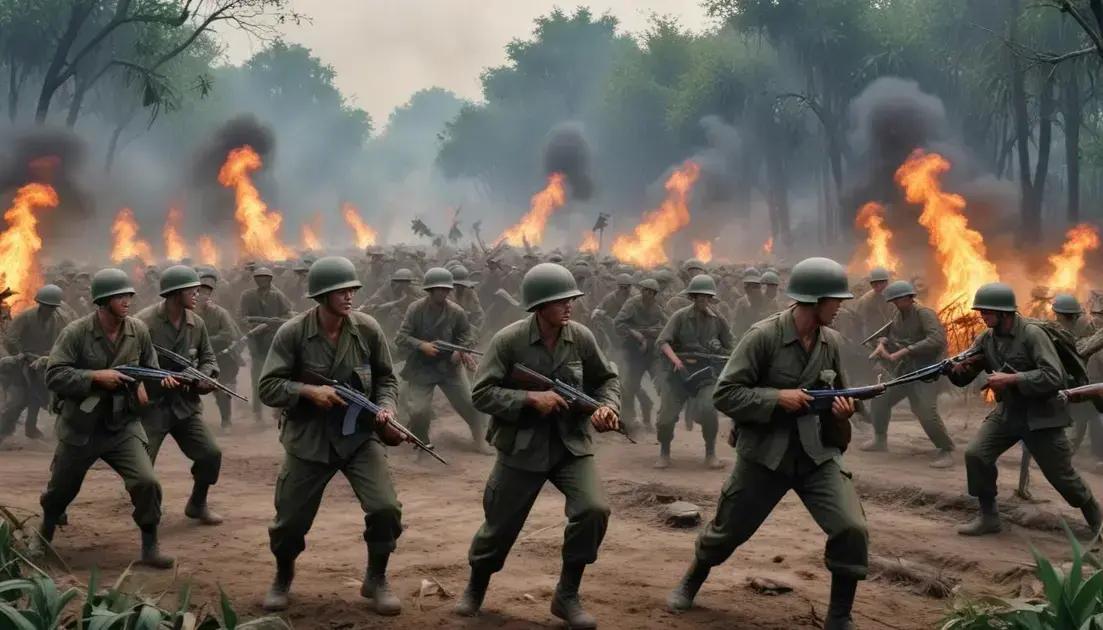
As the war dragged on, it sparked massive protests back home. Many Americans were against what they saw as an unjust war. The images and stories from Vietnam shocked people. Soldiers fought bravely, but they faced challenges, including harsh conditions and a complex enemy.
The Vietnam War lasted until 1975. It changed the views of many Americans about military intervention. Understanding this background helps us realize the war’s impact on the world today.
Major Events and Timeline
The Vietnam War had many major events that shaped its course. From the beginning, tensions were high. One key event was the Gulf of Tonkin Incident in 1964. This event led to increased U.S. involvement.
In 1965, the first American combat troops arrived in Vietnam. This marked a significant shift in the conflict. As troop numbers grew, so did the fighting. Major battles, like the Battle of Ia Drang in 1965, highlighted the war’s intensity.
Another important event was the Tet Offensive in 1968. During this time, North Vietnamese forces launched surprise attacks across South Vietnam. The scale of the attacks shocked the world and changed public opinion.
Throughout the late 1960s and early 1970s, protests against the war increased in the U.S. Many people believed it was wrong to send soldiers to fight. In 1973, the Paris Peace Accords were signed, leading to a ceasefire.
Ultimately, the war ended in 1975 when North Vietnam captured Saigon. This event marked a major turning point in history. The Vietnam War changed how America viewed foreign involvement and military strategy.
Protests and Public Opinion
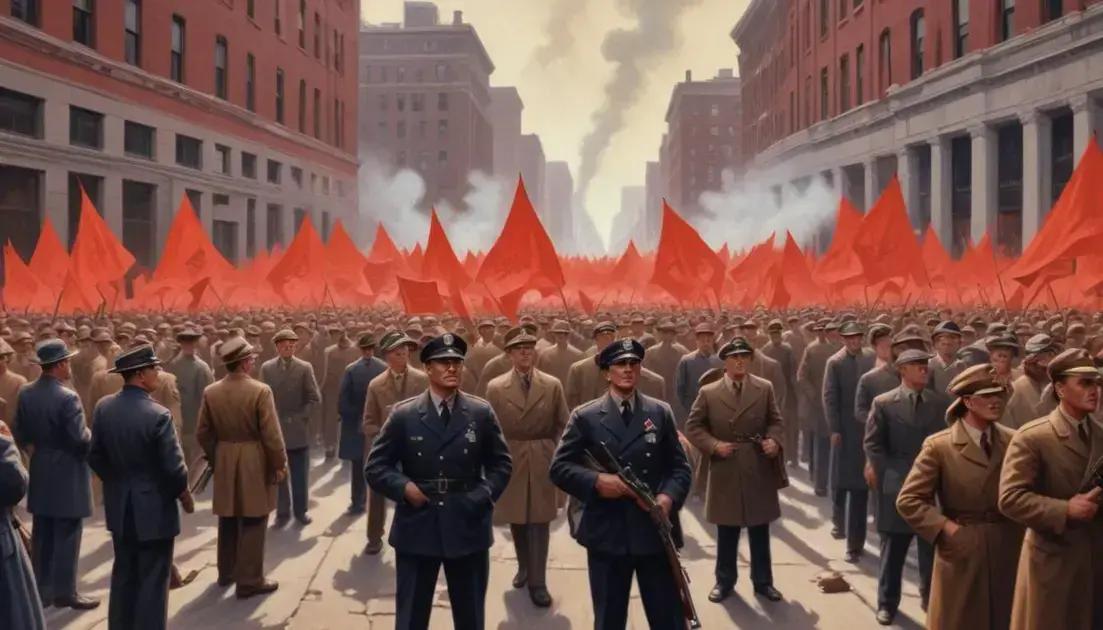
The Vietnam War sparked intense protests across the United States. Many Americans questioned the need for U.S. involvement. Young people, students, and various groups led the charge. They believed it was wrong to send troops to fight in a foreign land.
One famous protest took place at Kent State University in 1970. National Guardsmen opened fire on students, killing four. This tragic event shocked the nation. It showed just how divided people were over the war.
Public opinion shifted over the years. In the beginning, many supported the war effort. However, as reports of casualties rose, attitudes changed. Television brought graphic images of the fighting into living rooms, making it hard to ignore.
Various songs and art also reflected the growing discontent. Artists used their platforms to express opposition to the war. For example, songs like “Give Peace a Chance” became anthems for the anti-war movement.
As protests grew, the government faced pressure to put an end to the conflict. Citizens organized marches, rallies, and teach-ins across the country. Students showed up in droves to voice their concerns. Their impact on public discourse was significant.
The War’s Impact on Vietnam
The Vietnam War had a profound impact on Vietnam itself. The country faced severe devastation during the conflict. Many cities and villages were destroyed. The landscape was scarred by bombings and fighting.
Millions of Vietnamese people were affected. Estimates say over three million lost their lives. Families were torn apart and communities displaced. The human cost of the war was enormous.
After the war, Vietnam struggled to rebuild. The economy was in ruins. Many businesses were damaged or destroyed, and agriculture suffered greatly. It took years for the country to recover from the devastation.
The war also left deep psychological scars. Many veterans returned with lasting trauma. The population faced grief, loss, and uncertainty about the future. These effects can still be felt today, years after the last battle.
Internationally, the war changed how Vietnam was viewed. Once associated only with conflict, the country worked hard to improve its image. Today, Vietnam is seen as a nation moving forward, striving for development and growth.
Legacy and Lessons Learned
The Vietnam War left a strong legacy that still resonates today. It taught important lessons about military intervention. Many now question when and how to engage in foreign conflicts.
One key lesson is about the importance of public support. The protests during the war highlighted how vital public opinion is. Leaders must consider what their citizens want when deciding to go to war.
The war also showed the power of media. Coverage of the fighting influenced how people felt about the conflict. Graphic images from Vietnam changed public perceptions and attitudes.
Additionally, the war emphasized the human cost of conflict. It’s not just about winning battles. The impact on soldiers and civilians should always be considered.
In Vietnam, the lessons learned led to changes in policy. The government became more cautious about future military actions. Understanding history helps prevent repeating the same mistakes.
Conclusion
In conclusion, the Vietnam War taught us important lessons about conflict and its consequences. It highlighted the human cost of war and the need for public support before military action. The effects of the war are still felt today, shaping how countries approach conflicts.
Media coverage during the war changed public opinion and showed us the power of information. Understanding these lessons helps us avoid making the same mistakes in the future. By learning from history, we can strive for peace and make more thoughtful decisions about involvement in foreign affairs.