Vikings in England: invaders, settlers, and kings
The Viking Age significantly shaped British history through invasions, settlements, and cultural impacts. The Vikings are known for their raids starting in the late 8th century, notably attacking sites like Lindisfarne. Their settlement in places such as York led to cultural exchanges that enriched local communities. Viking kings like Cnut and Harald Hardrada influenced governance and economy during their reigns. The legacy of the Vikings persists in our language, art, and traditions, showcasing their rich contributions to society that continue to captivate interest today.
Have you ever wondered how Vikings influenced the shape of modern Britain? For centuries, these Norse warriors were more than just invaders; they forged a lasting legacy as settlers and rulers. Let’s journey into their fascinating world!
The Viking Age: Overview
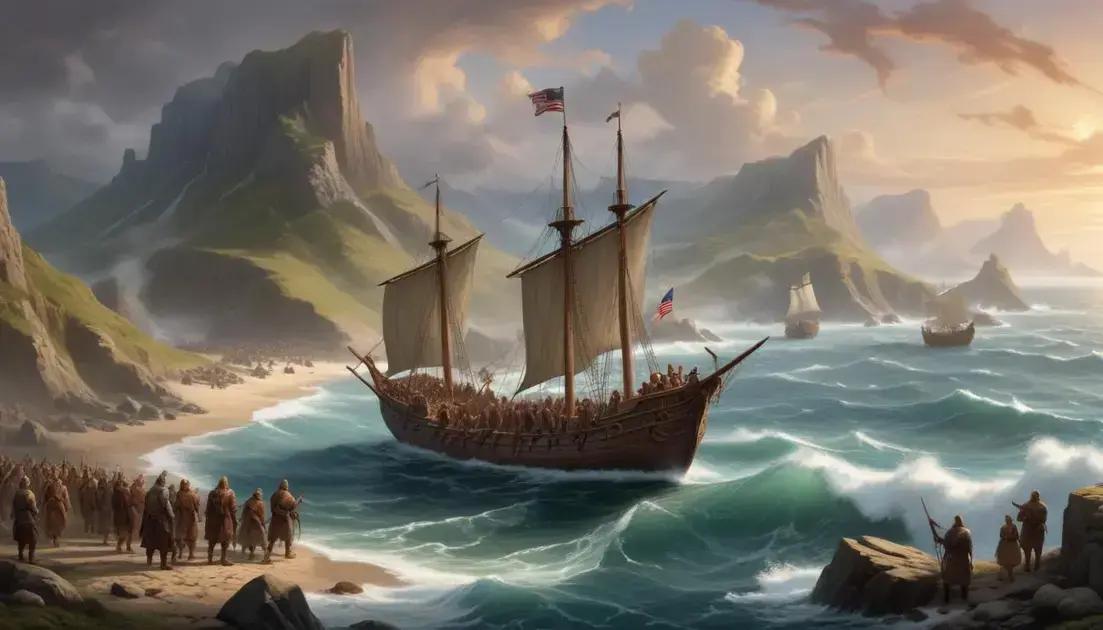
The Viking Age lasted from about 793 to 1066 AD. It was a time when Norse seafarers explored, raided, and traded across Europe. The Vikings were known for their long ships and bold adventures. They traveled far from their homelands in Scandinavia, reaching places like Britain, Ireland, and even parts of America.
What Drove the Vikings?
Several factors drove the Vikings to explore. Some sought riches, while others aimed to find new lands. The harsh climate in Scandinavia made farming difficult, prompting many to look elsewhere for better opportunities.
Raiding and Trading
The Vikings are often remembered for their raids. They attacked monasteries and towns, taking treasure and capturing people. But they were also traders. They established trade routes connecting Europe and Asia. They exchanged goods like furs, timber, and precious metals.
A Lasting Legacy
Despite their fierce reputation, the Vikings left a rich cultural legacy. They influenced language, art, and even place names in the regions they settled. Their exploration laid the groundwork for future explorations by other nations.
Understanding the Viking Age helps us see how these explorers shaped history as we know it today. Their stories of adventure and settlement continue to fascinate people around the world.
Viking Invasions in England
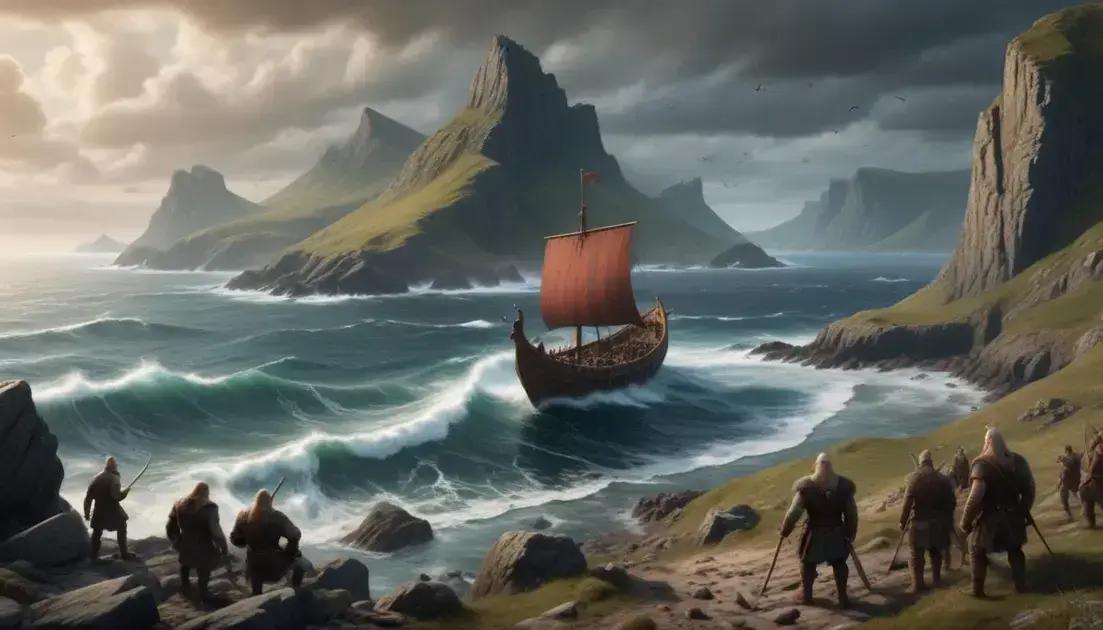
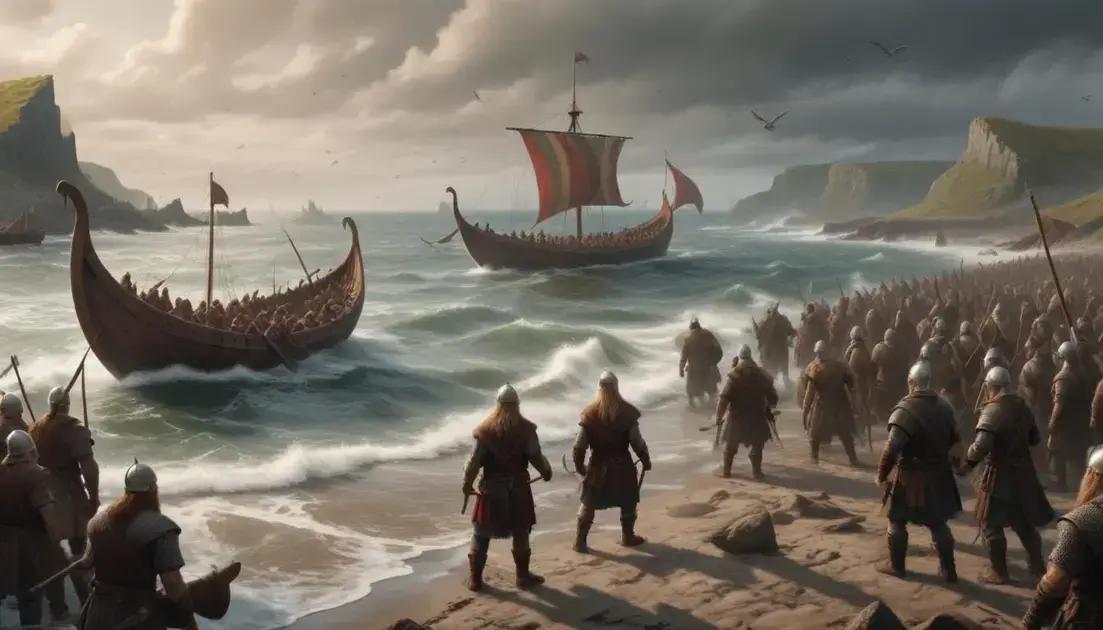
The Viking invasions in England began in the late 8th century. In 793 AD, they launched a raid on Lindisfarne, a famous monastery. This marked the start of many attacks on English shores.
Why Did They Invade?
The Vikings were looking for wealth and resources. They wanted silver, gold, and food to support their homes in Scandinavia. England, with its rich monasteries and towns, was a tempting target.
Key Invasions
Various Viking leaders led notable invasions. One famous leader was Ragnar Lothbrok, known for his fierce raids. Later, King Alfred of Wessex fought back effectively against these invaders, gaining fame for his resistance.
Impact on England
The invasions had a lasting impact. Vikings settled in many parts of England, especially in the north. Their presence influenced local culture, language, and even politics.
Farms were established, and trade routes expanded because of these settlers. They blended with local communities, leading to changes that can still be seen today.
The Settlement of Vikings
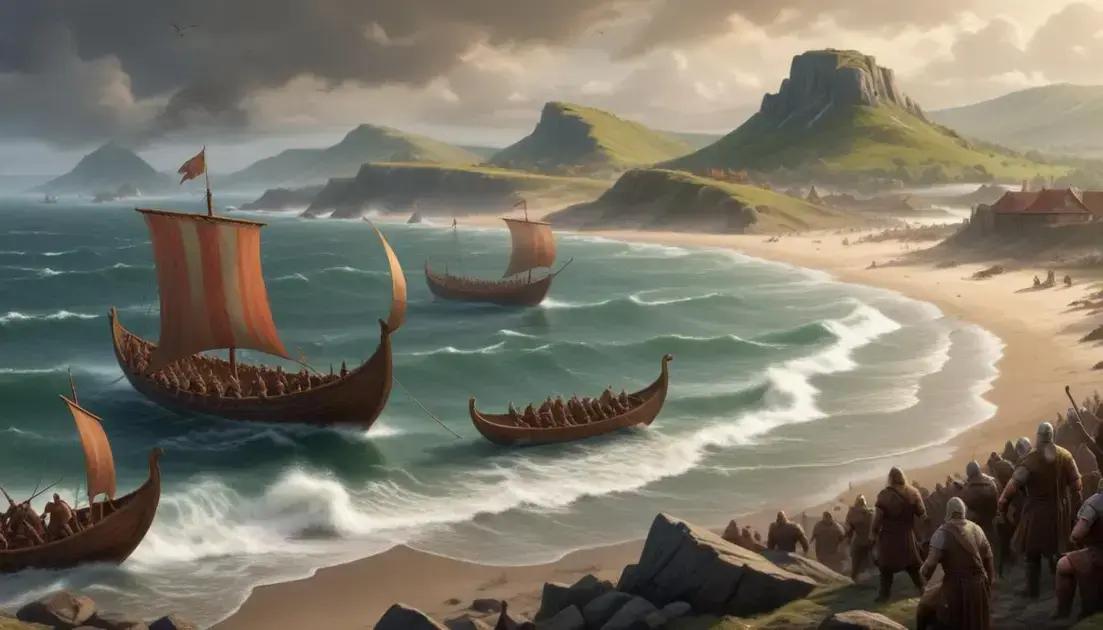
The settlement of Vikings in England began after their raids. Some Vikings chose to stay and farm the land they had invaded. They saw opportunities to build new lives for themselves.
Where Did They Settle?
Vikings mainly settled in regions like York and East Anglia. These areas had good soil and abundant resources. Over time, they created communities that mixed Norse and English cultures.
Daily Life of Vikings
Life for Viking settlers involved farming, fishing, and trading. They grew crops like barley and oats. Their homes were often made of wood and thatch, providing shelter from the weather.
Impact on Local Communities
The arrival of Vikings changed local societies. They introduced new farming techniques and crafts. Their influence can still be seen in place names and words in the English language.
Vikings also traded goods with local people. They brought metalwork, textiles, and valuable furs to the markets. This trade enriched both Viking and local communities.
Viking Kings and Legacy
During the Viking Age, several Viking kings stood out. These leaders shaped their communities and left a lasting legacy across Europe. Some of them are still famous today.
Notable Viking Kings
One of the most known is King Cnut. He ruled England, Denmark, and Norway. His reign brought stability and prosperity. Another famous king is Harald Hardrada. He attempted to take the English throne in 1066 but was defeated at the Battle of Stamford Bridge.
Their Impact on England
Viking kings played a key role in establishing laws and governance. They introduced new customs and practices that influenced local traditions. They also promoted trade, which helped local economies grow.
Cultural Legacy
The legacy of Viking kings is rich and varied. They inspired stories, poems, and legends, many of which are still told today. Their adventures became part of English and Norse folklore.
The Viking influence can be seen in modern culture too. Movies, books, and even games often portray these kings and their heroic deeds. People remain fascinated by their tales of exploration, battle, and leadership.
Cultural Impacts of the Vikings
The cultural impacts of the Vikings are seen across many aspects of modern life. Their influence reached beyond raiding and trading into language, art, and traditions.
Language Influence
Vikings contributed many words to the English language. Terms related to law, warfare, and everyday activities have Norse origins. Words like “berserk” and “ransack” come from their rich vocabulary.
Art and Design
Viking art is famous for its intricate patterns and designs. They created beautiful jewelry and woodwork, featuring animals and nature. This art style influences modern crafts and designs today.
Folklore and Legends
Their stories and legends continue to captivate audiences. Tales of gods like Odin and Thor are now popular in books and movies. These myths showcase the Vikings’ deep connection to their culture.
Festivals and Traditions
Some customs and festivals have Viking roots. Celebrations like Yule have ties to Norse traditions. Many people still honor these customs during seasonal festivities.
The Vikings’ cultural impacts remind us of their vast influence in history. They shaped societies and left a legacy that continues to affect us today.
Conclusion
In conclusion, the **Viking Age** left a significant mark on history. Their invasions and settlements shaped England in many ways. From the rich culture they introduced to the lasting impacts on language, art, and traditions, Vikings played a key role in crafting the world we know today.
The stories of their kings, their daring adventures, and cultural legacies continue to fascinate us. As we explore their history, we gain insights into how these Norse seafarers influenced societies far beyond their shores. Understanding the **Vikings** helps us appreciate the complexities of history and the connections we share across time.
Tags: