Vikings: the explorers who rewrote medieval Europe
The Vikings were seafaring explorers and fierce warriors from Scandinavia who significantly influenced medieval Europe through their expeditions, trade, and cultural exchanges. They established trade networks and left a lasting legacy in language, art, and political structures. Their adventurous spirit not only shaped their own history but also impacted the cultures they encountered, fostering a rich blend of ideas and customs that continue to resonate today.
Vikings were not just fierce warriors; they were also brilliant explorers who ventured far beyond their Scandinavian homelands. Have you ever wondered how they reshaped medieval Europe? Let’s dive into their incredible journey!
The Origins of the Vikings
The story of the Vikings begins in Scandinavia. These people were mainly from Norway, Sweden, and Denmark. They were known as seafarers and explorers. Their skills on the water helped them travel far and wide.
Who Were the Vikings?
Vikings lived during the late 8th to early 11th century. They were farmers, traders, and warriors. Many Vikings were skilled craftsmen. They made weapons, tools, and beautiful jewelry.
Life in Scandinavia
Life in Scandinavia was tough. The land was cold, and winters were long. This made farming hard. Because of this, many Vikings turned to the sea. They built strong boats and became great sailors.
Why Did They Explore?
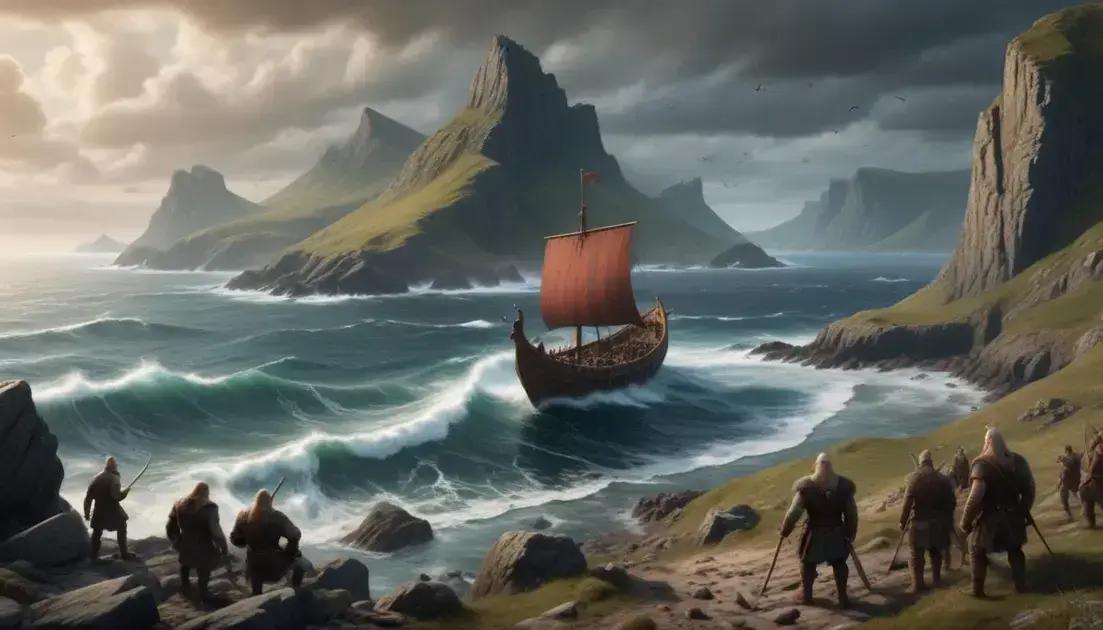
Vikings explored for many reasons. They searched for new lands to settle and resources to trade. Some went looking for adventure or to raid other groups. Their journeys led them to places like England, Ireland, and even parts of North America.
Viking Culture and Beliefs
The Vikings had a rich culture. They worshipped many gods like Odin and Thor. Stories about these gods were shared through poems and tales. Their belief in bravery and honor shaped their adventures and raids.
Viking Expeditions and Discoveries
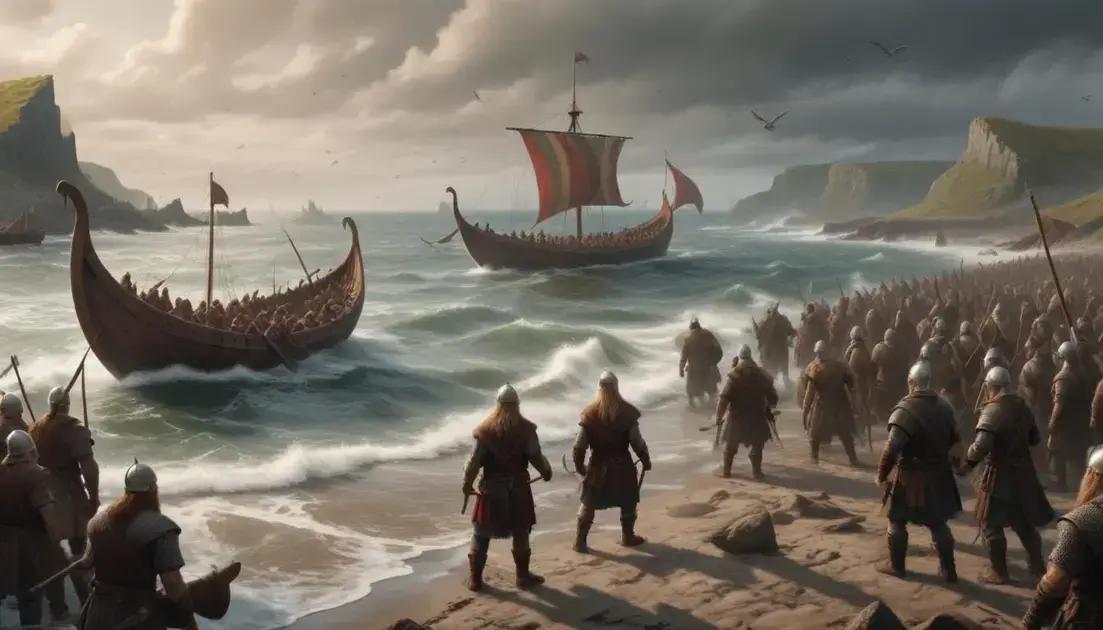
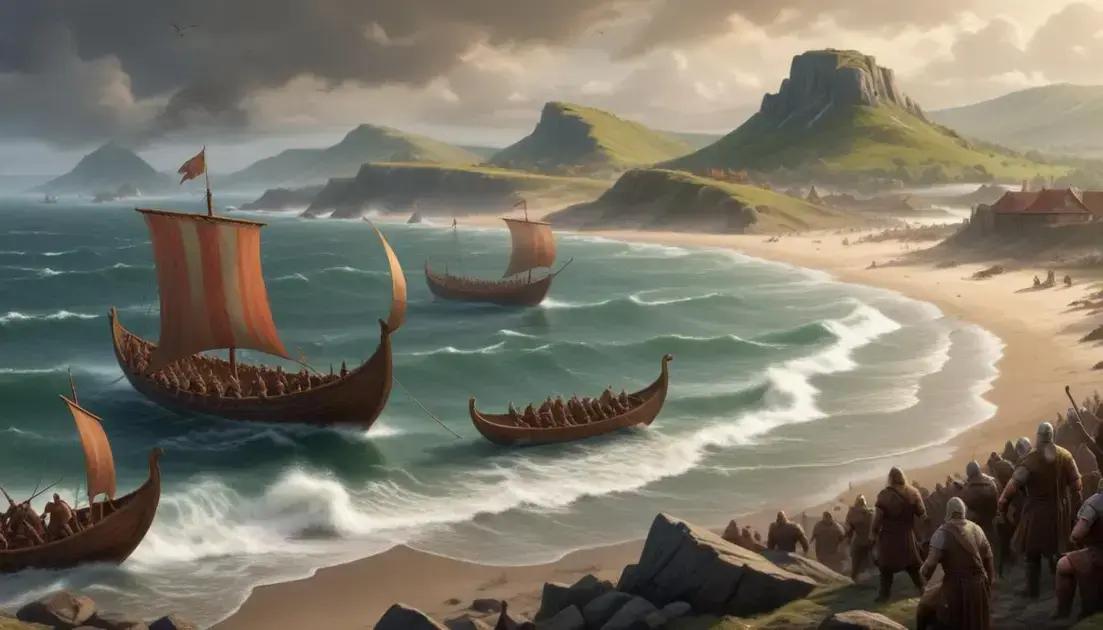
Vikings were famous for their exciting expeditions. They traveled across oceans and explored new lands. Their long ships were perfect for such journeys. These ships were fast and could sail in shallow waters.
Routes Taken by the Vikings
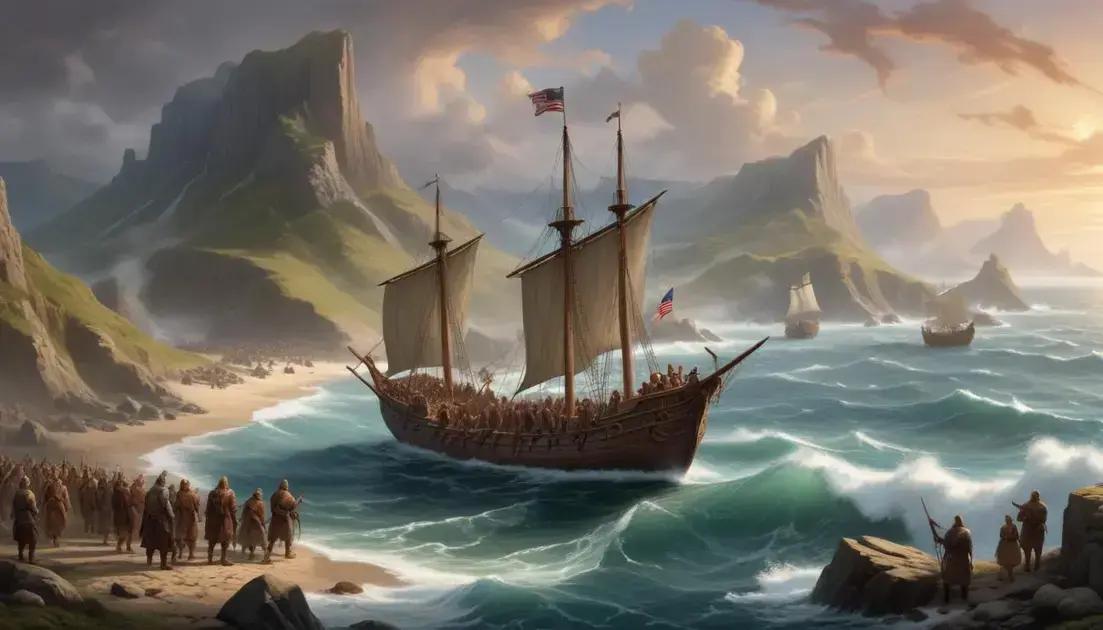
The Vikings sailed to many places. They reached parts of England, Ireland, and even Iceland and Greenland. Some brave Vikings sailed all the way to North America, landing in a place we now call Newfoundland.
Trading and Raiding
Viking expeditions were not just about exploration. They also traded goods with other cultures. They exchanged furs, timber, and iron for silver and spices. In some cases, they raided towns, seeking treasure and resources.
Cultural Interactions
Viking contact with other cultures had a big impact. They brought new goods, ideas, and technology back home. They even learned new skills from the people they met, which helped shape their society.
Legacy of Viking Expeditions
The explorations of the Vikings changed history. Their journeys opened new trade routes and laid the groundwork for future exploration. Today, we still learn about Vikings and their amazing adventures.
Impact on Medieval Europe
The Vikings had a big impact on medieval Europe. Their raids and trade changed lives and cultures. They reached many places and left a mark wherever they went.
Influence on Trade
Viking traders helped connect Europe with other parts of the world. They brought goods like spices, silks, and metals. These items were highly valued in Europe and changed how people traded.
Political Changes
The presence of Vikings often led to new political structures. Some areas formed alliances with them. Others built defenses and fortifications to protect against raids. This shaped the power dynamics of the time.
Cultural Exchange
The Vikings shared their culture with the regions they visited. They introduced new ideas, art, and technologies. Local customs and traditions mixed with those of the Vikings, enriching both.
Legacy of Viking Influence
The Viking Age left a long-lasting legacy. Their interactions fostered the growth of cities and trade networks. Even today, we see the effects of Viking influence in European culture and history.
Legacy and Influence
The Vikings left a strong legacy that we still see today. Their influence spread across Europe and beyond. This impact shaped cultures in many ways.
Language and Names
Many place names and words in English come from the Vikings. Terms like “skirt” and “window” have Norse roots. This shows how much their language affected ours.
Art and Architecture
Viking art was unique and had many styles. Their designs can be seen in jewelry, wood carvings, and textiles. Even buildings reflected Norse craftsmanship, influencing medieval architecture.
Exploration Inspiration
The Viking spirit of exploration inspired future navigators. Their daring journeys opened up new paths for trade and settlement. This idea of adventure and curiosity still encourages exploration today.
Modern-Day Celebrations
Many cultures celebrate their Viking heritage. Festivals, music, and literature feature Viking themes. This keeps their stories alive and connects us with our past.
Conclusion
In conclusion, the Vikings left a lasting mark on history and culture. Their explorations and trades helped shape medieval Europe. They brought new ideas, goods, and traditions that influenced many societies.
From language to art, their legacy is still visible today. Celebrating their culture keeps their adventurous spirit alive. Understanding the Vikings shows us how their impact resonates even in modern times. By exploring their history, we learn not just about them, but also about our shared heritage.
Tags: