Watched Art: Creators Under Regime Control
The future of art in regimes that impose control is filled with challenges and possibilities. Censorship often stifles creativity, yet artists continue to innovate through digital platforms and non-traditional methods. They use art as a form of resistance, expressing their messages subtly while inspiring change. Support from global communities plays a vital role in promoting freedom of expression and helping artists thrive despite restrictions. Ultimately, fostering an environment where artistic freedom flourishes is essential for a rich cultural landscape.
Art has always held a mirror to society, reflecting not only beauty but also the truths of its time. What happens when governments dictate the narrative?
Art Censorship and Control
Art censorship happens when authorities restrict the freedom of expression of artists. This control can impact many forms of art, including painting, music, and literature. Artists may face pressure to modify their work or abandon their ideas altogether. This form of censorship often arises in strict political systems.
Governments may limit what can be displayed in galleries or what songs can be played on the radio. Such restrictions can lead to a lack of creativity and inspire artists to find ways to express themselves subtly.
The Effects of Censorship on Creativity
Censorship can stifle innovation. When artists know their work is being scrutinized, they often hold back their true feelings. This leads to a culture where art becomes more about pleasing the authorities than about true expression.
Some artists become incredibly creative under these restrictions. They find clever ways to convey their messages through symbolism or metaphor, which can make their work more impactful. Yet, this shouldn’t be the goal. Every artist deserves the freedom to express themselves fully.
Historical Examples of Art Control
Throughout history, many regimes have controlled art. For instance, in Nazi Germany, the regime banned works that did not fit its ideology. Artists like Paul Klee and Marc Chagall faced repression. Similarly, during Stalin’s rule, many Soviet artists had to align their work with party values.
These examples show how the lack of freedom can lead to a loss for both the artist and society. When art is limited, cultural growth is stunted. The richness of human experience cannot be fully captured if voices are silenced.
How to Support Artistic Freedom
Supporting artistic freedom is essential. This can be done by attending local art shows or sharing artists’ work on social media. Engage with the art community to learn more about their experiences and challenges.
By appreciating diverse forms of artistic expression, we can help create a climate where creativity can flourish. Governments should understand that art reflects society and must not interfere with its natural flow.
Historical Context of Art in Totalitarian Regimes
The historical context of art in totalitarian regimes is quite complex. These governments often see art as a tool for propaganda. They use it to promote their agendas and ideals. Artists must comply with strict rules about what they can and cannot create.
In totalitarian states, censorship plays a big role. Only art that glorifies the regime is allowed. This means many talented artists are silenced or forced into hiding. They may have to express their true feelings through hidden meanings.
Examples of Totalitarian Influence on Art
For example, in Nazi Germany, artists faced strict guidelines. Any work that did not fit the Aryan ideal was banned. Artists like Otto Dix adapted their styles to avoid persecution. They often struggled to keep their artistic voices alive.
Similarly, Soviet artists experienced heavy censorship. They had to follow the rules of Socialist Realism. This style glorified the working class and the achievements of the state. Artists who deviated from this style faced serious consequences.
The Impact on Society and Culture
Art under totalitarian regimes affects society deeply. When artists cannot freely express themselves, culture suffers. Citizens lose out on diverse ideas and different perspectives. This creates a homogenous culture where only one viewpoint is visible.
Despite this, some artists find ways to rebel. They might use satire or symbolism to criticize the regime without being overt. This kind of art becomes a form of resistance, showcasing the power of creative expression.
Lessons from History
Looking at history, it’s clear that artistic freedom matters. When art thrives, society thrives. It allows for a dialogue between different voices and ideas. Understanding the past can help protect artistic freedom today. We must learn from these histories to ensure that art remains a space for true expression.
Examples of Artistic Propaganda
Artistic propaganda has played a significant role in shaping public opinion throughout history. Artists often create works that reflect the goals of a regime. These pieces serve to inspire loyalty or glorify the state’s ideology.
One famous example is the propaganda art from Soviet Russia. Artists like Alexander Deineka created vibrant paintings that celebrated the working class. His works aimed to promote a sense of unity and strength among the people.
Nazi Propaganda Art
In Nazi Germany, propaganda was everywhere. The regime wanted to show Aryan ideals as superior. Artists like Arno Breker created sculptures that depicted strong and heroic figures. These pieces helped build the myth of Nazi strength.
Films also served as propaganda tools. For example, Leni Riefenstahl’s film Triumph of the Will glorified Hitler and the Nazi Party. The film used powerful visuals to create a sense of excitement and loyalty.
Modern Examples of Art as Propaganda
Today, many governments continue to use art for propaganda. Social media has become a new platform for these messages. Propaganda art can be seen in posters, graffiti, and even online videos.
For instance, during political elections, candidates use imagery and slogans designed to resonate with viewers. This helps to rally support and convey their messages clearly.
Art in Times of Conflict
During wars, artists often take to their canvases to create propaganda. The United States used posters in World War II to encourage enlistment. Images of strong soldiers and patriotic symbols aimed to inspire confidence and patriotism among citizens.
These examples show that art can influence people’s thoughts and feelings. Whether in times of war or peace, propaganda art remains a powerful narrative tool.
Impact on Artists and Creators
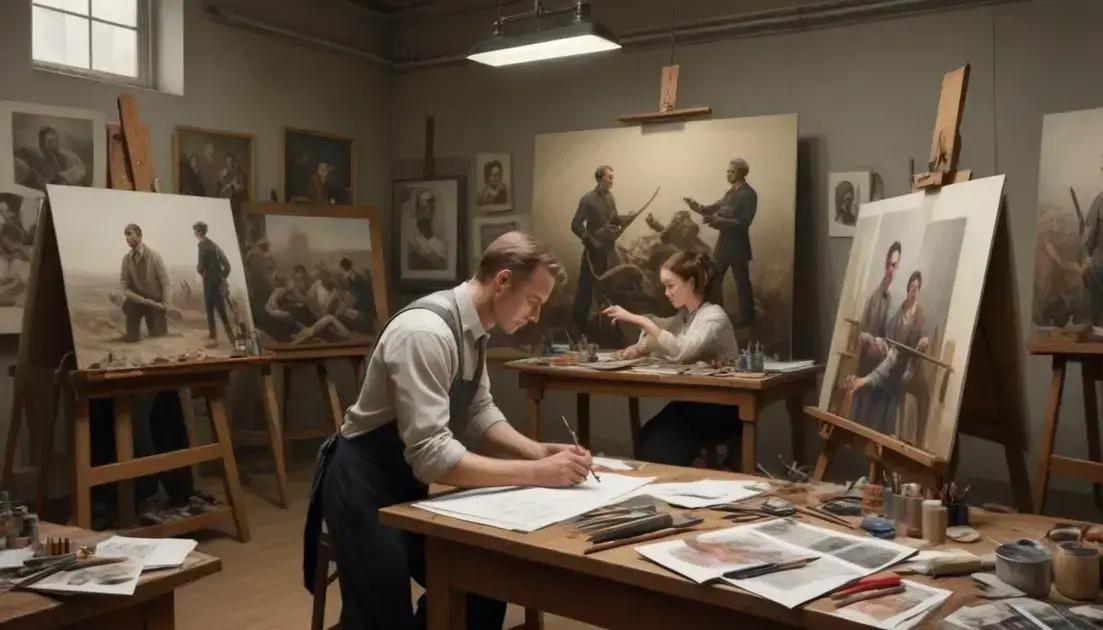
The impact of censorship on artists and creators can be profound. When governments control artistic expression, it limits creativity. Artists often feel pressured to comply with strict rules. This can stifle their ability to communicate honestly through their work.
Many artists lose their voice when faced with censorship. They might self-censor, avoiding themes that could get them in trouble. This leads to fewer diverse opinions in the art world. It can create a culture where fear replaces creativity.
Personal Struggles of Artists
For some, censorship is a source of great frustration. Artists may struggle with their identity and purpose. They want to express genuine feelings but fear consequences. This is especially true in totalitarian regimes, where dissent can lead to severe punishments.
Artists can become discouraged. Some decide to leave their countries to find freedom. Others choose to create in secret, often risking their safety to share their true thoughts.
Coping Strategies and Resilience
Despite these challenges, many artists find ways to cope. They develop unique styles to convey messages indirectly. Using symbols and metaphors allows them to express dissent subtly. This can lead to innovative and powerful art that resonates with audiences.
Art becomes a form of rebellion. Artists often unite, forming communities that support each other. Together, they create a network that values freedom of expression. This can help motivate them to continue creating, even under difficult conditions.
The Role of Supportive Audiences
Support from audiences can help boost artists’ morale. When people appreciate and buy their work, it sends a positive message. Audiences that engage with art can encourage artists to persist.
Art festivals and exhibitions can also provide platforms for creators. These events allow artists to share their experiences and showcase their work to broader audiences. Discussion and connection can help counteract the isolation that comes with censorship.
Future of Art Under Regime Control
The future of art under regime control remains uncertain. As governments become more powerful, they often seek to control artistic expression. This can limit freedom and creativity for many artists.
Artists might find it harder to share their true thoughts and feelings. Some may fear persecution for creating controversial work. This environment can push artists to explore more subtle ways to express dissent.
Emerging Trends in Artistic Expression
Despite strict controls, new forms of art are emerging. Digital art and social media provide fresh platforms for creators. Artists can share their messages in unique ways that evade censorship.
For example, many use online platforms to promote their art. This allows them to reach global audiences without government interference. Social media lets artists express their thoughts freely and connect with like-minded individuals.
Art as a Form of Resistance
Art is often a powerful tool for resistance. In times of oppression, artists use their work to challenge the status quo. These artworks can inspire people and encourage change.
Street art is a popular way for artists to voice their opinions. Public murals can convey strong messages without needing formal permission. This grassroots approach allows artists to engage directly with the community.
The Role of International Communities
International support can also shape the future of art. Artists who face persecution in their countries often seek refuge abroad. Global networks can offer platforms for expression and safety.
Art advocacy groups can help promote freedom of expression. They work to raise awareness about the challenges artists face under regime control. Through campaigns and events, they strive to support artistic freedom worldwide.
Conclusion
In conclusion, the future of art under regime control presents both challenges and opportunities. While censorship can stifle creativity, artists often find ways to express themselves, even in tough conditions. New platforms, like social media, allow them to share their messages widely and connect with others.
Art continues to be a powerful tool for resistance and change. Artists use innovative methods to communicate their thoughts and feelings, inspiring people around them. With support from global communities and advocacy groups, artistic expression can thrive, even in oppressive environments. Ultimately, fostering creativity and freedom of expression is essential for a vibrant, culturally rich society.
Tags: