When sports became politics: Cold War Olympics
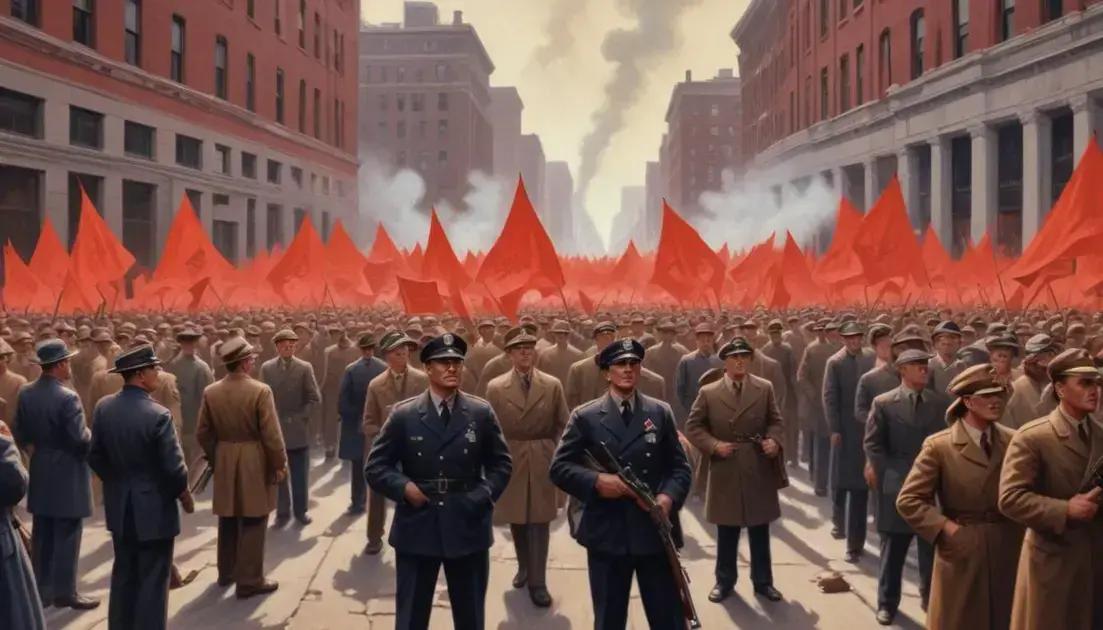
The Cold War had a profound impact on the Olympic Games, shaping them into a battleground for international politics. Key events, such as the 1980 Moscow Olympics boycott and the political symbolism expressed by athletes, highlighted the intertwining of sports and ideology. Notable figures like Tommie Smith, John Carlos, and Muhammad Ali used their platforms to challenge social injustices, transforming athletic competitions into statements about equality and human rights. These dynamics illustrate how the Olympics serve as a reflection of global tensions and cultural narratives.
Cold War Olympics were more than just athletic competitions; they symbolized national pride, rivalry, and the clash of ideologies. Let’s dive in!
The Intersection of Sports and Politics
The intersection of sports and politics is a fascinating topic. Sports have always been more than just games. They reflect society and its struggles. Often, athletes use their platforms to voice opinions. For instance, during the Cold War, events became stages for political statements.
Many athletes stood up for what they believed in. They faced both support and criticism for their actions. These controversies show how closely related sports and politics are. Some contests turned into protests, highlighting important issues.
International competitions, like the Olympics, have a rich history of political influence. For example, the 1980 Moscow Olympics saw a major boycott led by the United States. This boycott was a protest against the Soviet invasion of Afghanistan. Such moments illustrate how sports can become intertwined with global events.
Moreover, sports can bring nations together or deepen divides. Unity can shine through in events like the World Cup. However, tensions can also rise, like in the case of the South African apartheid system. Athletes and teams took strong stances against racial injustice.
Understanding this intersection is key. It reveals how athletes influence our world beyond the field. As fans, we should recognize that each game can carry a message. Sports are not just entertainment; they are a reflection of our society.
The 1980 Moscow Olympics Boycott
The 1980 Moscow Olympics boycott was a major event in sports history. The United States led a group of countries to boycott the Games. This protest was a response to the Soviet invasion of Afghanistan. It showed how sports and politics can mix.
Many athletes were affected by the boycott. They trained hard for years, only to miss the chance to compete. The U.S. government thought it was important to take a stand. Other nations, like Canada and West Germany, joined the boycott too.
This decision sparked a lot of debate. Some felt it was necessary to challenge the Soviet Union. Others believed athletes should not be punished for political issues. The boycott opened discussions about nationalism in sports.
Despite the boycott, some countries still attended the Olympics. This led to feelings of division in the sports community. At the same time, the Soviet Union saw a chance to showcase its power. They hosted the Games with fewer nations participating.
The consequences of the boycott were far-reaching. It changed how countries viewed future Olympics. It also affected relationships between the U.S. and the Soviet Union. This moment is a reminder of how intertwined sports and global affairs can be.
The Impact of the Cold War on Olympic Games
The impact of the Cold War on Olympic Games was significant and far-reaching. During the Cold War, sports became a way for countries to show their strength. The Olympics turned into a stage for international rivalry.
Countries often used the Games to promote their ideologies. For example, the U.S. and the Soviet Union wanted to showcase their ways of life. This led to fierce competition for medals and glory. Every win was seen as a victory for a nation’s beliefs.
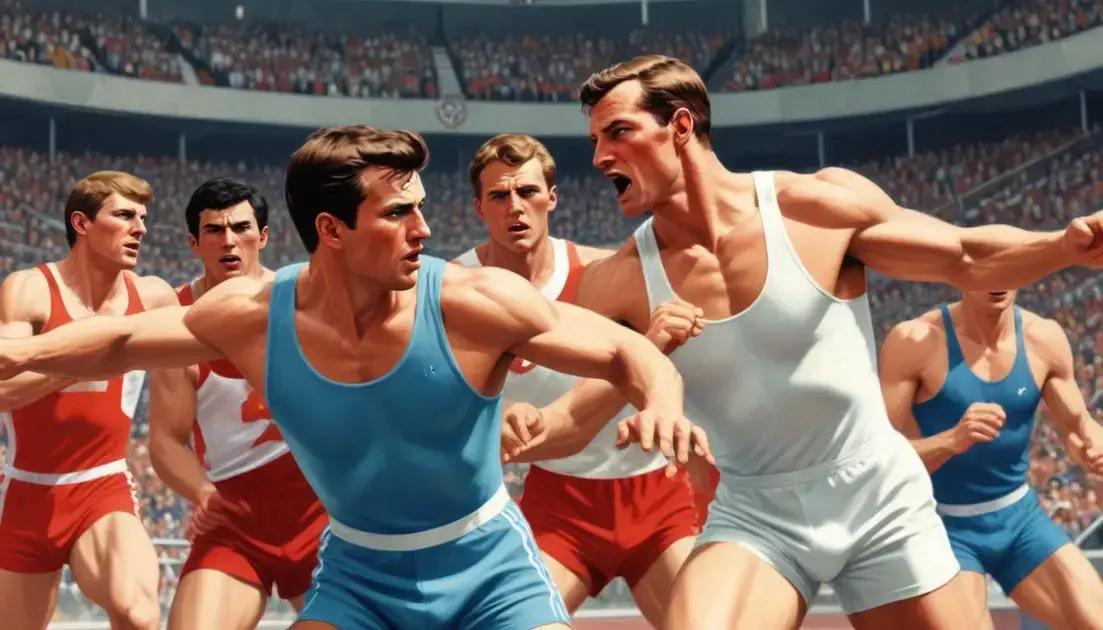
Political tensions sometimes spilled into the Games themselves. Athletes became symbols of their countries. They faced pressure to win, not just for themselves but for their nations. This created an intense environment for competitors.
Boycotts also marked the Olympics during this period. Besides the 1980 Moscow boycott, the 1984 Los Angeles Games saw the Soviet Union lead a boycott of their own. These actions showed countries using the Olympics to make political statements.
The Cold War also changed how the Olympics were organized. It sparked debates about fairness and equality. Issues like amateurism and doping came under scrutiny, leading to lasting changes in Olympic rules.
Overall, the Cold War left a deep mark on the Olympic Games. It blended sports with politics in a way that still resonates today. Understanding this history helps us see how sports can reflect bigger world issues.
Success Stories Behind the Medals
The success stories behind the medals at the Olympics are truly inspiring. Each medal represents years of hard work and dedication. Athletes go through intense training, often starting from a young age. They face many challenges on their journey to the top.
Take the example of Jesse Owens. He won four gold medals in the 1936 Berlin Olympics. His victories challenged racial stereotypes and inspired millions. His story shows how sports can break barriers.
Another notable story is of Nadia Comaneci. In the 1976 Montreal Olympics, she scored the first perfect 10 in gymnastics. Her performance dazzled the world and changed the sport forever. Comaneci’s success inspired a generation of gymnasts.
Then, there’s Michael Phelps. He holds the record for the most Olympic gold medals. Phelps trained tirelessly, overcoming personal struggles to achieve greatness. His story highlights the importance of resilience and dedication.
These are just a few examples. Many athletes have faced hardships and have still found success. Their stories remind us that behind each medal, there’s a journey filled with effort and passion. They motivate us to chase our dreams, no matter the obstacles.
Political Symbolism in Sports
Political symbolism in sports is more common than many people think. Athletes often use their platforms to express beliefs. Their actions can send powerful messages to fans and governments alike.
One famous example is Tommie Smith and John Carlos. They raised their fists during the 1968 Olympics. This was a statement against racial injustice. Their protest became a symbol of the civil rights movement.
Another instance is the iconic image of Muhammad Ali. He refused to fight in the Vietnam War. Ali believed in standing up for his beliefs. His actions resonated with many and sparked debates worldwide.
More recently, athletes like Colin Kaepernick have taken a stand for social issues. Kaepernick knelt during the national anthem to protest police brutality. His actions raised awareness and ignited conversations about race and rights in the U.S.
Sports events often reflect the political climate of the time. When athletes speak out, they challenge the status quo. Their courage can inspire change and encourage others to join the fight for justice.
Conclusion
In conclusion, the stories behind the Olympic Games and sports are rich with both triumph and challenges. Events like the 1980 Moscow Olympics boycott and moments of political symbolism show how sports can unite or divide us. Athletes have often used their platforms to express powerful messages, shaping public opinion on important issues.
The success stories of athletes, filled with hard work and determination, inspire many. They remind us that medals represent more than just wins; they symbolize struggles and victories over adversity. As we look at sports, it’s crucial to recognize the connections between athletics and the broader world.
Sports can mirror our society and reflect the times we live in. By understanding these connections, we can appreciate not just the games, but also the significant impact they have on culture and change. Sports will always be a stage for personal and political stories, reminding us of the power of unity and resilience.