Why civilizations collapse — and what comes after
Civilization collapse offers critical lessons for modern societies. By studying historical patterns, we learn about factors such as environmental challenges, social unrest, and economic difficulties that contribute to declines. Cultural resilience and adaptation are key themes that help communities thrive despite hardships. Embracing new technologies and civic engagement can foster a sustainable future, promoting stronger societies. Understanding these implications allows us to prepare better for upcoming challenges and to build a more resilient world.
Ever wondered why some societies seem to crumble while others thrive? The concept of civilization collapse offers fascinating insights that can guide us today!
Understanding Collapse
Collapse happens when a society can’t meet its needs anymore. This can come from many reasons like wars, resource shortages, or bad leadership. Understanding collapse helps us learn from the past and avoid similar mistakes. It shows us what went wrong and how we might fix things.
Factors Leading to Collapse
One main factor is environmental stress. When a civilization’s surroundings change, it can be tough to adapt. For example, droughts make farming hard, which can lead to food shortages. Another reason is economic troubles. When trade fails or resources run low, people struggle.
Social and Political Issues
Along with environmental stress, social unrest can cause collapse. When people are unhappy or feel unsupported, they may revolt. This often weakens governments. A weak government can’t fix problems or protect its people. It can also lead to conflicts with other nations.
Lessons from History
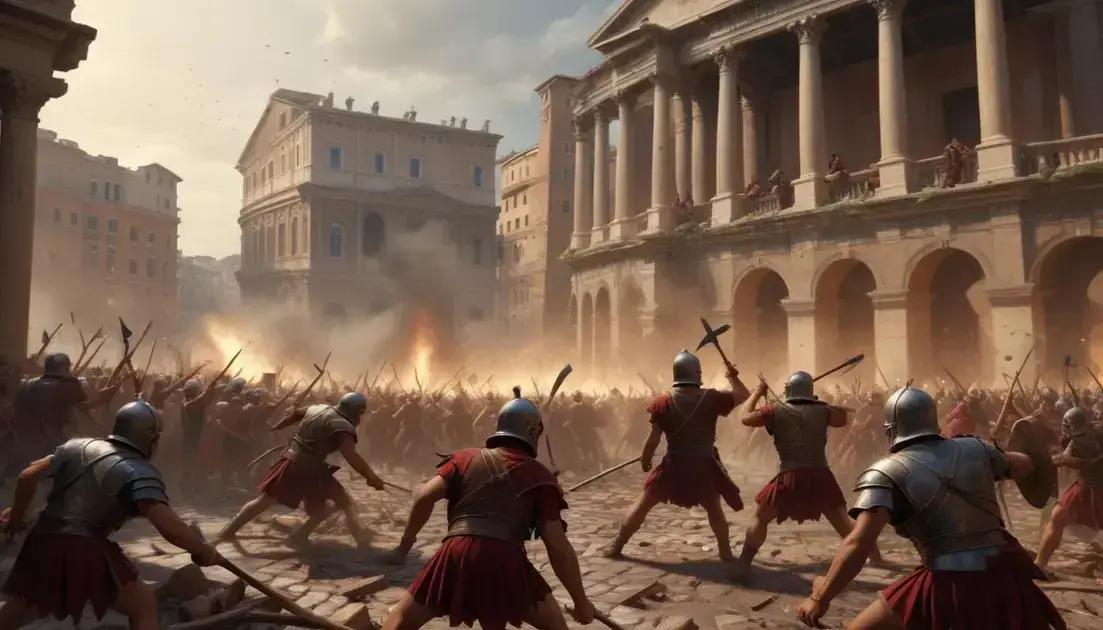
By studying past collapses, we can find patterns. For instance, the fall of Rome teaches us about over-expansion. The society couldn’t manage its vast territory, leading to chaos. Learning these lessons prepares us for future challenges.
In conclusion, understanding collapse offers valuable lessons. It reminds us to stay aware and resilient. Societies need strong communities, dependable governments, and sustainable practices to thrive.
Historical Lessons
Learning from history is key to understanding how societies fall apart. Historical lessons show us patterns of success and failure. These lessons can guide us today. By looking back, we discover what didn’t work for past civilizations.
Examples from Ancient Civilizations
Take the Mayans, for instance. They faced drought and over-farming. This led to food shortages and social unrest. Their story teaches us about the dangers of ignoring environmental changes.
The Fall of the Roman Empire
Another example is the Roman Empire. Their vast size made it hard to manage. The government failed to control corruption and conflicts. This chaos caused the empire to weaken and eventually fall.
Lessons for Modern Society
Today, we can apply these lessons. Societies that ignore warnings may face similar fates. For instance, climate change is a big issue. If we don’t take action, it may lead to resource shortages.
Understanding history helps us prepare for the future. We should pay attention to rising tensions and economic troubles. Being proactive can help build stronger, more resilient societies.
Cultural Resilience
Cultural resilience is the ability of a society to bounce back from hardships. It’s all about how communities adapt and grow stronger after tough times. Cultural resilience helps keep traditions alive, even when challenges arise.
Examples of Resilient Cultures
Take the Indigenous cultures in North America. They’ve faced great challenges, like colonization. Yet, they’ve kept their traditions and languages alive. This shows how strong culture can help people survive and thrive.
Importance of Identity
A strong cultural identity plays a big role in resilience. When people feel proud of their roots, they’re more likely to unite during tough times. This unity can bring about positive changes and support.
Adapting Traditions
Resilient cultures often adapt their traditions to modern life. They blend old customs with new ideas, making culture relevant. For example, festivals can evolve to include new art forms or technologies. Such changes keep traditions lively and engaging.
By learning from each other and sharing stories, cultures grow stronger together. This exchange builds bridges between communities, enhancing overall resilience. It teaches us that our differences can unite us rather than divide us.
Future Implications
Future implications of civilization collapse are important to think about. They can shape how we live and interact. Future implications help us prepare for what might come next.
Impact on Society
When civilizations collapse, it can change society. People may move to new areas in search of stability. This often leads to cultural mixing, which can create vibrant communities.
Lessons for Sustainability
We need to learn from past collapses to create a sustainable future. If we ignore environmental issues, we risk facing the same fate. Adopting sustainable practices can help us avoid resource shortages and promote a healthier planet.
Technological Advancements
Technology can also play a role in shaping the future. Advanced technology can help solve problems like food scarcity and energy use. Using renewable energies reduces our dependence on non-renewable resources.
By focusing on innovation, we can make our societies more resilient. Investing in education also helps prepare future generations to face challenges.
Civic Engagement
Getting involved in community issues fosters resilience. Citizens should be active in decision-making processes. This can lead to better policies and stronger communities.
Conclusion
In conclusion, understanding the concepts of civilization collapse and cultural resilience is key to facing our future. History teaches us valuable lessons about sustainability, adaptation, and growth. By learning from past societies, we can create stronger, more resilient communities.
Embracing technology, engaging in civic matters, and promoting cultural identity are important steps for a better tomorrow. These actions not only prepare us for challenges but also help us thrive in a changing world. Together, we can ensure that our societies learn from the past to build a brighter future.