Zimmerman Telegram: the message that pulled America into WWI
The Zimmerman Telegram was a crucial message from Germany to Mexico during World War I, promising Mexico territories lost to the U.S. This secret communication was intercepted, increasing American public support for the war and leading to the U.S. joining the conflict. The telegram not only shifted the war dynamics but also underscored the importance of communication in global affairs, leaving a lasting legacy in diplomatic history.
The Zimmerman Telegram was a diplomatic shock that sent ripples across the globe, changing the course of World War I. But what exactly did it entail and why was it so pivotal? Join us as we explore this fascinating moment in history!
The context of the Zimmerman Telegram
The Zimmerman Telegram played a crucial role in changing history during World War I. This secret message was sent by Germany to Mexico on January 16, 1917. It promised Mexico the return of territories lost to the United States. This included Texas, New Mexico, and Arizona.
The telegram aimed to encourage Mexico to join the war against the U.S. Germany wanted to distract American forces and keep them busy. They hoped this would help Germany gain an advantage in Europe.
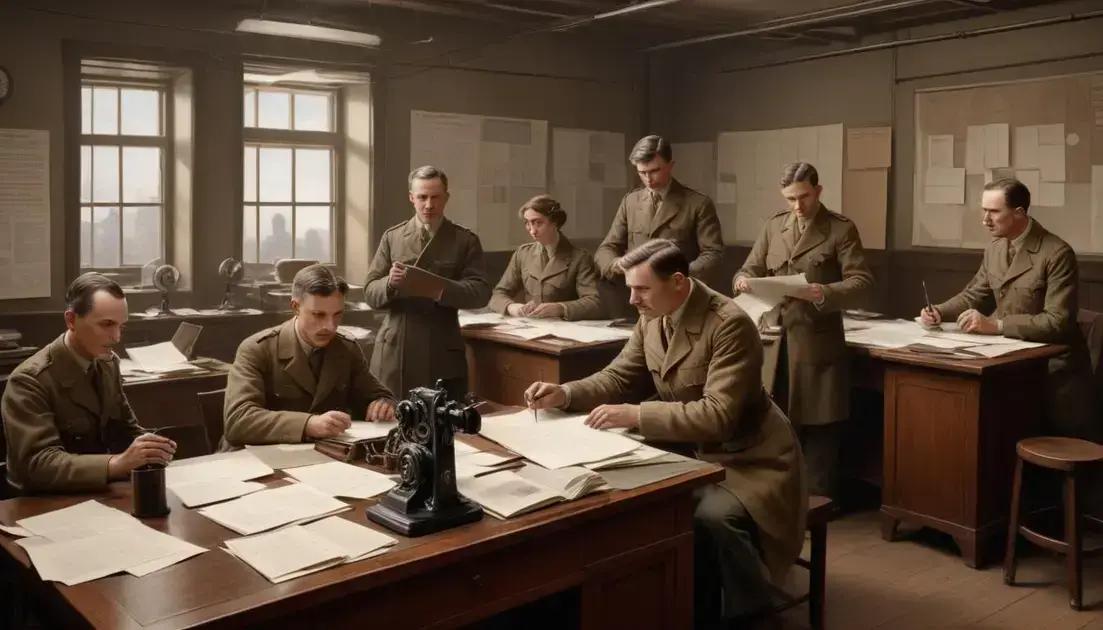
However, British intelligence intercepted the message. They carefully decoded it and decided to share it with the United States. This act of espionage was monumental. It sent shockwaves through America and increased public support for the war.
The U.S. was neutral at the time, but the telegram changed everything. President Woodrow Wilson faced pressure to act. As news of the telegram spread, many Americans felt betrayed. They saw the telegram as a direct threat to national security.
As a result, the Zimmerman Telegram is often viewed as a key factor that drew the United States into World War I. Its impact was felt not just on the battlefield, but also in the realm of diplomacy.
Key figures involved
Several important figures were involved in the events surrounding the Zimmerman Telegram. Each played a unique role in the unfolding drama of World War I.
First, there’s Arthur Zimmerman, the German Foreign Minister. He was the man behind the telegram. Zimmerman believed that by encouraging Mexico to join the war, Germany could tie down American forces. His insights shaped the strategy that Germany pursued.
Next is President Woodrow Wilson, the leader of the United States. He was initially cautious about entering the war. However, the message pushed him to rethink his stance. Wilson aimed to maintain peace, but the telegram changed everything.
British intelligence also played a critical role. They intercepted the telegram before it reached Mexico. They worked hard to decode and share the message with the U.S. Their efforts were pivotal in revealing Germany’s plans.
Lastly, Mexican President Venustiano Carranza was involved. He received the telegram, and it tested his country’s relationship with the U.S. Carranza had to decide how to respond to Germany’s offer.
These figures all influenced how the situation escalated. Their actions led to significant changes in the course of the war.
Impact on American involvement in WWI
The Zimmerman Telegram had a huge impact on American involvement in World War I. Before the telegram, many Americans wanted to stay neutral. They were not interested in joining the fight.
However, the message changed minds. When people heard about Germany’s plans to ally with Mexico, they felt threatened. This made public support for the war grow. It sparked anger and a sense of patriotism.
President Woodrow Wilson had to respond. He could no longer keep the U.S. out of the conflict. The telegram was a direct challenge to American safety. Wilson addressed Congress and asked for a declaration of war.
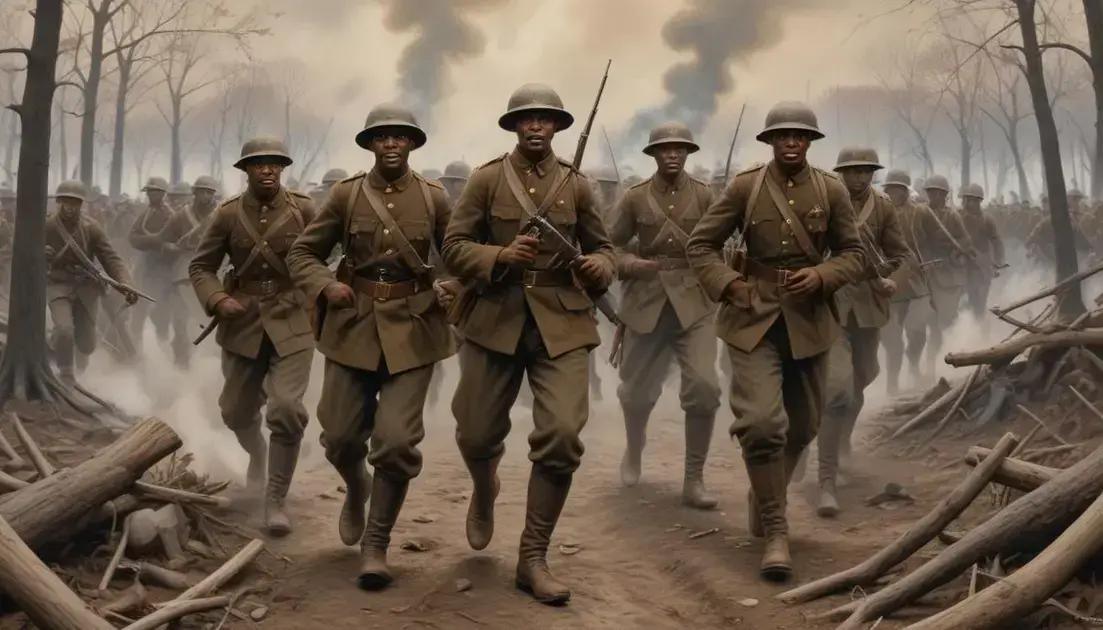
On April 6, 1917, the United States officially joined the war. This decision marked a turning point. American troops would help the Allies fight against the Central Powers, changing the war’s dynamics.
The involvement of the U.S. was crucial. American soldiers brought fresh energy and resources. Their arrival helped sway the balance in favor of the Allies. The telegram’s impact was felt not just on the battlefield but also in the larger political landscape.
Reactions from Germany and the Allies
The Zimmerman Telegram caused significant reactions from both Germany and the Allies. When the British intercepted it, they understood its importance. They quickly shared it with the United States. This action intensified the tension between Germany and the Allies.
Germany, on the other hand, had mixed feelings. They believed their plan would succeed. The German government thought that convincing Mexico to join the war would help. However, they didn’t expect the telegram to be made public.
Once Americans learned about the telegram, anger and fear spread. Many saw Germany’s actions as a direct threat. This reaction fueled support for entering the war against Germany.
The Allies, including Britain and France, were pleased with the news. They hoped the U.S. would join them soon. They knew that American troops and resources would change the battle. The telegram made them more eager to unite against the Central Powers.
As the news spread, it changed the course of the war. The telegram didn’t just impact the U.S. It also shifted how Germany and the Allies approached their strategies in the conflict.
Legacy of the Telegram
The Zimmerman Telegram left a lasting legacy in world history. Its impact went far beyond World War I. First, it showed how important communications and intelligence are in warfare. The interception of the telegram changed public opinion in the United States.
People realized the dangers of Germany’s actions and wanted to take action. This led to a stronger commitment to national defense in America. The U.S. became more aware of its role on the global stage.
Additionally, the telegram influenced future diplomatic communications. It highlighted how messages could sway public sentiment and political decisions. Governments recognized the power of espionage and intelligence in international relations.
The legacy of the Zimmerman Telegram also reminds us of the costs of war. The U.S.’s entry into World War I resulted in significant loss of life. It showed the human impact behind political actions and decisions.
Overall, the Zimmerman Telegram remains a powerful example of how a single message can change the course of history.
Conclusion
In conclusion, the Zimmerman Telegram was a turning point in history. It changed how people viewed the dangers of World War I. The telegram led to the United States joining the conflict, which shifted the war’s outcome. Moreover, it highlighted the importance of communication and espionage in international relations.
The legacy of this event reminds us that a single message can impact millions of lives. It also teaches us about the importance of being aware of global affairs. Understanding these historical moments helps us recognize how they shape our present and future.
As we look back at the Zimmerman Telegram, we should remember its lessons. Active engagement in world events is crucial. Awareness and communication continue to be vital in our interconnected world today.
Tags: