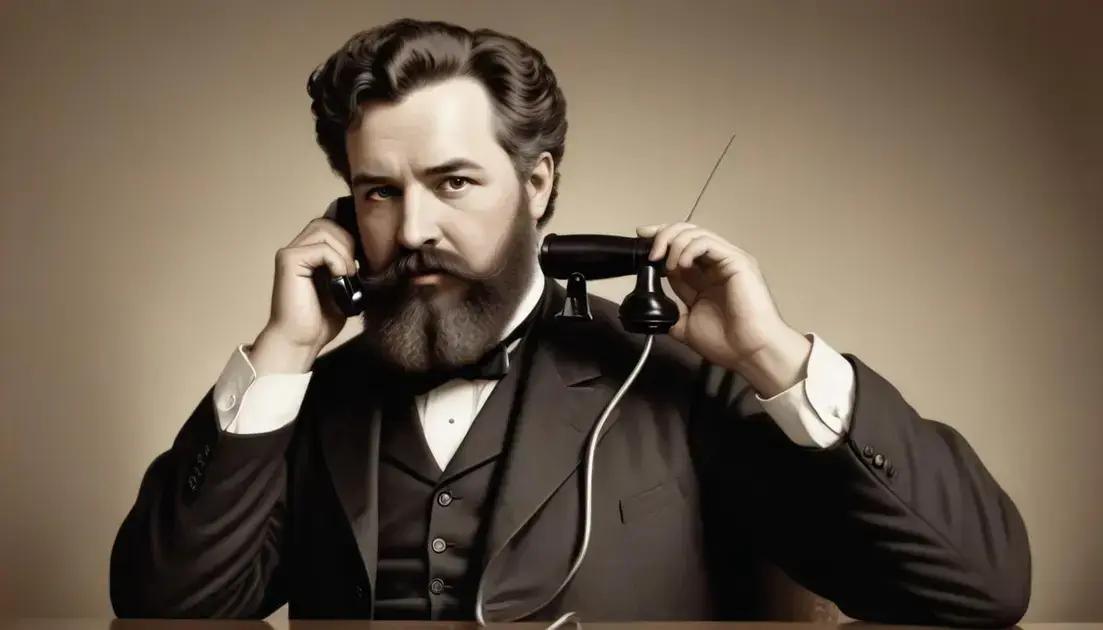
Graham Bell’s Telephone: Voice Beyond Wires
The telephone revolutionized communication by enabling instant voice conversations over long distances, transforming personal and business interactions. Its impact includes strengthening relationships and facilitating quick information exchange, which has evolved through technology advancements like smartphones and video calls. Today, the future of voice communication looks promising, with voice assistants and high-speed connections enhancing how we connect with others.
Voice Communication has come a long way since Graham Bell invented the telephone, changing how we connect with others. Let’s dive into this fascinating journey!
Introduction to Graham Bell
Alexander Graham Bell was an inventor, teacher, and scientist. He is most famous for inventing the telephone. Born in Scotland in 1847, Bell moved to Canada and then to the United States. He was passionate about sound and communication from a young age.
Bell wanted to improve how people talked to each other over long distances. In 1876, he succeeded. His invention changed the world. The first successful call was made when he said, “Mr. Watson, come here, I want to see you.” This moment marked the start of a communication revolution.
Bell’s work didn’t stop at the telephone. He was also interested in hearing and speech. Bell helped deaf individuals communicate better. He believed everyone should have the chance to connect.
Today, we can see the lasting impact of Bell’s invention. The telephone has evolved into smartphones and other devices. Still, the idea remains the same: connecting people no matter the distance. Bell’s legacy lives on in our everyday communications.
Impact of the Telephone
The telephone had a huge impact on how people communicate. Before the telephone, people relied on letters or messengers. These methods took a lot of time. With the invention of the telephone, instant communication became possible.
People could now talk to each other no matter the distance. This connection changed personal relationships. Friends and families could stay in touch easily. It brought people closer, no matter where they lived.
For businesses, the telephone changed everything. Companies could communicate with customers quickly. This helped businesses grow and improve their services. They could resolve issues faster and increase customer satisfaction.
Governments also benefited from the telephone. They could share information quickly during emergencies. This speed allowed for better coordination and response efforts. Overall, the telephone reshaped society in many ways.
The impact of the telephone is still felt today. Modern technology, like cell phones and video calls, builds on Bell’s invention. This evolution shows how important the telephone was to our world.
Evolution of Communication
The evolution of communication has been incredible over the years. It began with simple methods, like smoke signals and written messages. These methods worked, but they were slow and limited. Then came the telephone, which changed everything.
With the telephone, voice communication became instant. People could hear each other’s voices across great distances. This was a game-changer for personal and business interactions. Over time, the telephone evolved into more complex devices.
Next came the mobile phone. Now, people could talk to anyone, anywhere, at any time. This freedom changed how we interacted daily. Text messaging followed, allowing quick and easy communication without phone calls.
In recent years, the internet has transformed communication once again. Email, social media, and video calls have connected people worldwide. These tools let us share ideas, stories, and even work together, no matter where we are.
Today, we use a mix of old and new ways to communicate. While the telephone paved the way, technology keeps evolving. Each new advancement helps us connect faster and more clearly than ever before.
Cultural Significance of Telephone
The telephone has great cultural significance in our lives. It changed how we interact with each other. Before the telephone, people waited for letters to communicate. This made staying in touch slow and difficult.
With the telephone, conversations became instant. Friends and family could connect anytime, anywhere. This made relationships stronger. People could share important moments and feelings right away.
The telephone also influenced culture in many ways. It brought music and entertainment into homes. Radio and television programs used the phone to reach audiences. Advertisements became more effective as people could respond immediately.
Social movements also benefited from the telephone. Activists used it to spread their messages and organize events. They connected people who wanted to create change. This form of communication played a key role in our history.
Today, we see how the telephone combines with technology. Smartphones offer more than just calls. They connect us through messages, social media, and video chats. This evolution continues to shape our culture and how we relate to one another.
Future of Voice Communication
The future of voice communication looks bright and exciting. Technology continues to evolve rapidly. New tools and features make talking to each other easier than ever. Voice assistants like Siri and Alexa are already changing how we communicate.
People are using voice commands to control devices and manage their daily tasks. This convenience lets us multitask and save time. Imagine ordering groceries or playing music just by speaking!
Video calls are becoming more popular, too. They allow face-to-face conversations from anywhere. This technology keeps us connected with friends and family, even from miles away.
In business, voice communication is evolving with trends like remote work. Teams share ideas, collaborate, and hold meetings online. It creates a flexible work culture.
As we move forward, advancements like 5G will enhance voice clarity and reduce delays. This means smoother conversations worldwide. The way we communicate will continue to change, shaping our connections in new ways.
Conclusion
In conclusion, the telephone has greatly transformed communication, linking people and cultures in ways we never imagined. The impact of this invention is still felt today, from traditional calls to modern voice technologies. As we embrace the future of voice communication, we see tools that make our interactions faster and more convenient.
By staying connected through video calls, voice assistants, and instant messaging, we can strengthen our relationships and collaborate effectively. The journey of communication continues to evolve, shaping how we relate to each other in our daily lives. Understanding these changes helps us appreciate the journey from Alexander Graham Bell’s first call to the advanced technologies we use now. The future promises even more exciting innovations!