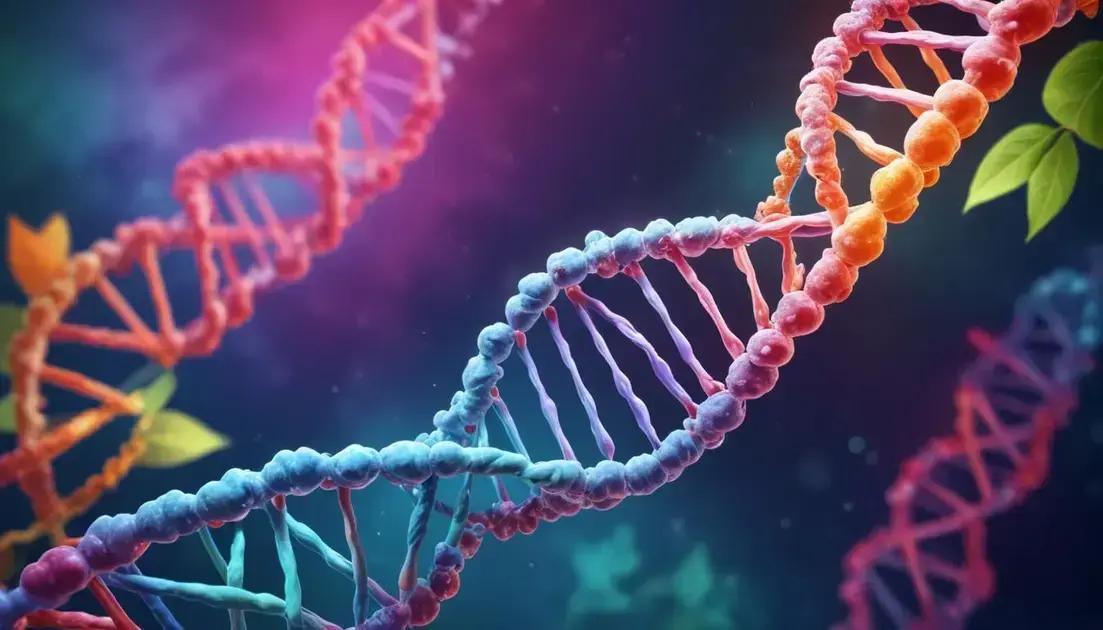
DNA Unveiled: Watson, Crick and Molecular Biology
The discovery of DNA revolutionized modern medicine and genetics, allowing for advancements such as genetic testing, personalized medicine, and gene therapy. DNA contains the genetic instructions vital for all living organisms and explains how traits get passed from parents to offspring. This knowledge leads to early detection of diseases, targeted treatments, and ongoing research efforts that continue to impact health care and agriculture significantly.
Have you ever wondered about the significance of DNA in modern science? The discovery of the double helix structure has revolutionized our understanding of life and opened up countless possibilities in genetics.
The Discovery of DNA
The discovery of DNA changed everything in science. Before this breakthrough, many questions about heredity and life remained unsolved. Scientists knew traits were passed from parents to children but didn’t understand how. That all changed with the double helix model.
What is DNA?
DNA stands for deoxyribonucleic acid. It is the molecule that carries the genetic instructions for living things. Each DNA strand is made up of smaller units called nucleotides. These nucleotides connect to form a long chain. The order of these nucleotides is what makes each species unique.
The Key Players
James Watson and Francis Crick are famous for uncovering the structure of DNA in 1953. They worked together to understand how DNA works. Their model showed that DNA forms a double helix. This means it looks like a twisted ladder, with the steps made of paired nucleotides.
The Impact of the Discovery
This discovery opened the door to many fields. In medicine, it helped us understand genetic diseases better. It also allowed scientists to develop new treatments. In agriculture, DNA knowledge leads to better crop varieties. With this understanding, we can enhance food production.
DNA Research Today
Today, research on DNA is critical. Scientists continue to explore how genes affect health, behavior, and our environment. The Human Genome Project mapped all human genes, revealing how they interact. This has led to personalized medicine, where treatments can be tailored to an individual’s genetic makeup.
Watson and Crick’s Contribution
Watson and Crick made a major breakthrough in understanding DNA. They discovered its structure in 1953. This discovery changed how scientists view genetics and heredity. Their work gave a clear picture of how DNA looks and functions.
The Double Helix Model
The double helix model shows DNA as a twisted ladder. The sides of the ladder are made of sugar and phosphate. The rungs are the paired nucleotides. This model explains how DNA copies itself during cell division.
Collaboration and Challenges
Watson and Crick’s journey wasn’t easy. They faced many challenges in their research. They used data from other scientists, like Rosalind Franklin. Her X-ray images of DNA were crucial in deciphering its structure.
Impact on Science
Their discovery laid the foundation for genetics. It opened new paths for research in biology and medicine. Watson and Crick’s work led to new technologies, like genetic engineering.
A Legacy of Discovery
Watson and Crick won a Nobel Prize in 1962 for their work. Their discovery continues to influence many fields, including medicine and biotechnology. It also inspires young scientists to explore the mysteries of life.
Impact on Modern Medicine
The discovery of DNA has a huge impact on modern medicine. It transformed how doctors diagnose and treat diseases. Understanding DNA helps us find the cause of genetic disorders.
Genetic Testing
With DNA, genetic testing became possible. Tests can identify certain diseases before symptoms appear. This means doctors can provide early treatments. Early detection can save lives and improve health outcomes.
Personalized Medicine
DNA knowledge allows for personalized medicine. This means treatments can be tailored to individual patients. For example, some cancer treatments work better for specific genetic profiles. Doctors can choose the best options based on a person’s DNA.
Gene Therapy
Gene therapy is another advancement. It aims to fix genetic disorders by changing DNA. Doctors can replace faulty genes with healthy ones. This approach targets the root cause of diseases.
Research and Development
Ongoing DNA research leads to new medicines. Scientists study how genes affect drug responses. This helps in creating more effective drugs with fewer side effects.
The Role of DNA in Genetics
DNA plays a vital role in understanding genetics. It carries the instructions that dictate how living things develop. Every organism’s traits come from its DNA. This includes everything from eye color to height.
How Genes Work
Genes are segments of DNA that control specific traits. Each gene has a code made from four building blocks called nucleotides. The order of these nucleotides determines how a gene works.
Inheritance Patterns
DNA explains how traits are passed down from parents to children. This is called inheritance. For example, children might inherit their parents’ eye color or hair type. Understanding DNA helps scientists predict these patterns.
Genetic Mutations
Sometimes, changes happen in the DNA code. These changes are called mutations. Some mutations are harmless, while others can lead to diseases. Studying DNA helps identify harmful mutations and develop treatments.
Applications in Science
DNA research has many applications in science. It enhances agriculture through gene editing, which improves crops. In medicine, it helps develop therapies for genetic disorders. Scientists can even clone animals using DNA techniques.
Conclusion
In summary, understanding DNA and its role in genetics is crucial for many fields. From medicine to agriculture, DNA opens doors to new possibilities. Genetic testing helps doctors catch diseases early, while personalized medicine tailors treatments to individuals.
Moreover, advances in gene therapy and research continue to change lives. By exploring DNA, scientists can discover how traits are passed down and improve our health. The impact of DNA research is vast and will shape our future in many exciting ways.