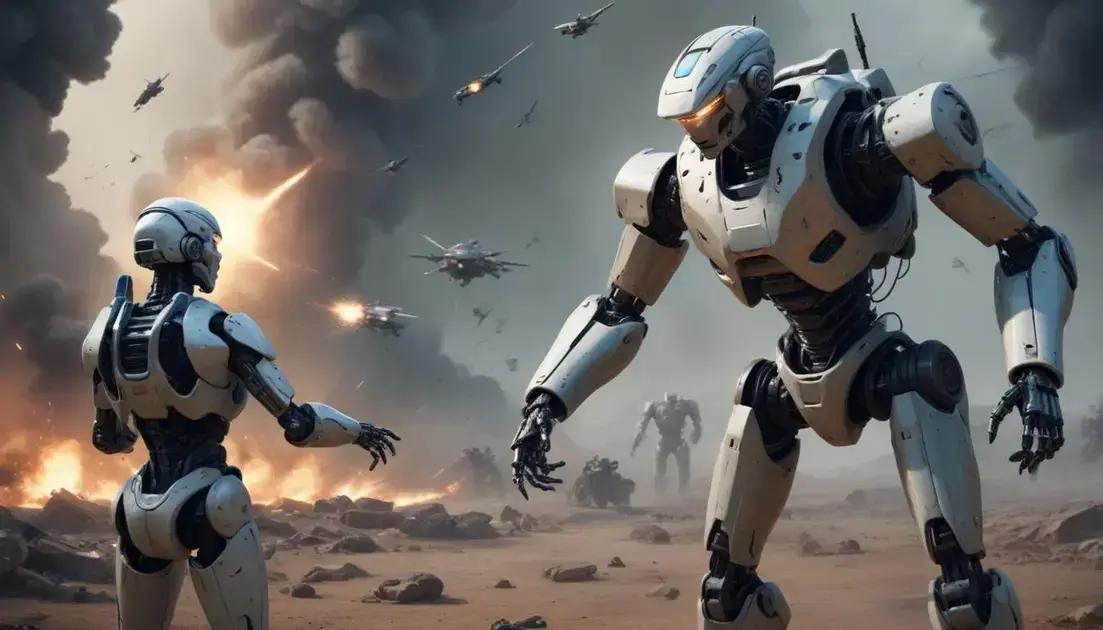
Robots and Artificial Intelligence: Science and War
The rapid growth of Artificial Intelligence (AI) and robotics is significantly transforming various sectors, including warfare and healthcare. Automation enhances efficiency through innovative technologies like drones, making tasks safer and quicker. AI’s role in analyzing data boosts decision-making, while potential future advancements promise even greater integration into everyday life. However, ethical considerations regarding job displacement and privacy must accompany these technological strides for a balanced future.
Artificial Intelligence is revolutionizing our world, merging with robotics to reshape industries and warfare. Are we ready for the future?
The Evolution of Automation
The evolution of automation has changed how we live and work. From the first machines to today’s advanced robots, technology has advanced quickly. Early automations were simple tasks, like water mills or basic looms, helping humans be more efficient.
As we moved into the industrial age, machines took over jobs in factories. This changed the workforce and created new opportunities. Production became faster and cheaper, allowing companies to grow. Factories could produce goods in large amounts. This increased availability led to lower prices for consumers.
Modern Automation and Robotics
Today, automation includes smart machines and software. These systems can learn from data and perform complex tasks. For example, robots can assemble cars, package products, and even assist in hospitals. This has improved productivity across many industries.
The Role of Artificial Intelligence
Artificial intelligence (AI) plays a huge part in the evolution of automation. AI helps machines learn and adapt, making them more efficient. Instead of just following fixed instructions, AI allows robots to make decisions based on their learning. This opens doors for even more advanced automation in the future.
With automation on the rise, we must consider its impact. While it makes work easier, it can also change job landscapes. Some jobs may disappear, while new ones will emerge. Being aware of these changes helps us prepare for a future where automation and humans work together.
Impact on Warfare
The impact of automation on warfare has been significant. New technologies have changed how battles are fought and won. With automation, we see precision and efficiency like never before.
First, drones are a prime example of this change. They allow military forces to conduct surveillance and attacks from the sky without putting pilots in danger. Drones can gather crucial information while keeping operators safely away from the battlefield.
Next, robotic systems are used in various aspects of combat. These machines can handle dangerous tasks, such as bomb disposal or logistics. By taking on these risky jobs, robots save lives and reduce human risk.
Artificial Intelligence in Military Strategies
Artificial intelligence plays a key role too. AI helps analyze vast amounts of data quickly, giving commanders better insights. With improved decision-making, military forces can respond faster to threats.
Additionally, AI is being used in simulations for training purposes. These scenarios help soldiers prepare for real situations. By practicing with realistic, AI-generated opponents, troops become more skilled and confident.
However, the rise of automation in warfare raises ethical questions. As machines control more decisions, we must think about accountability and rules of engagement. It is crucial to keep the human touch in military decisions, even as technology advances.
Future Prospects of AI and Robotics
The future prospects of AI and robotics look bright and full of possibilities. As technology continues to advance, we expect to see even more incredible changes. One big area is personal assistance. Imagine robots helping with everyday tasks at home.
We may have robots that can cook, clean, and even provide companionship. These helpful machines could make our lives easier and more enjoyable. They could assist the elderly or disabled, enhancing their quality of life.
In factories, AI and robotics will likely revolutionize production methods. Smart robots may collaborate with human workers to boost efficiency. This synergy can lead to higher-quality products at a faster pace.
AI in Healthcare
AI’s role in healthcare is also growing. From diagnosing diseases to personalizing treatment plans, AI can improve patient care. We could see robots performing surgeries with high precision, minimizing recovery times.
Moreover, AI can analyze patient data to offer early detection of health problems. This proactive approach will save lives and reduce healthcare costs.
While the future seems exciting, we must also consider the challenges. Issues like job displacement and privacy concerns need addressing. By having open conversations about these topics, we can work toward a balanced future.
Conclusion
In conclusion, the rise of AI and robotics is changing our world. From improving efficiency in factories to enhancing healthcare, their potential is vast. Automation brings convenience to our daily lives, making tasks easier and faster.
However, as we embrace these advances, we must also address concerns like job displacement and privacy. By talking openly about these issues, we can ensure a future that balances innovation with our values.
Ultimately, understanding the implications of AI and robotics will help us prepare for a better tomorrow. The future is bright, and by adapting together, we can make the most of these exciting technologies.