Science Fairs: Technological Optimism Amid Fear
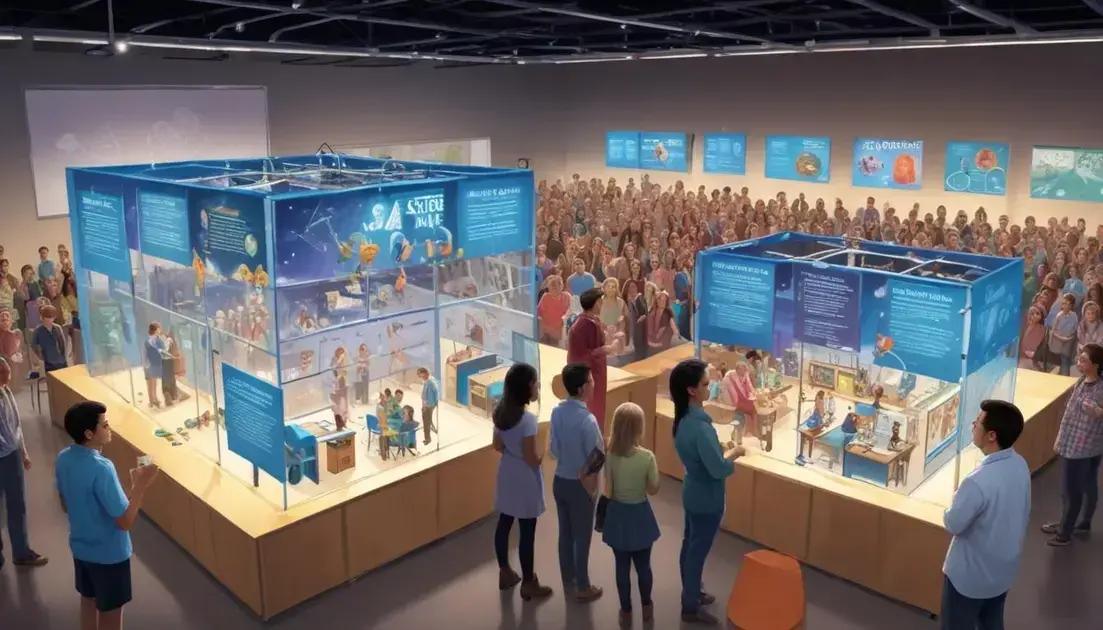
Science fairs play a crucial role in fostering creativity and innovation among students. These events provide a platform for young scientists to showcase their projects, which often address important real-world issues such as climate change and health. By integrating technological advancements, science fairs not only enhance learning experiences but also prepare students for future careers in STEM fields. With community support and mentorship, science fairs inspire the next generation to think critically and inventively, shaping a smarter future.
Science Fairs have always been more than just a showcase of talent; they embody a unique convergence of innovation and societal issues…
Introduction to Science Fairs
Science fairs are exciting events that bring together students to showcase their creative projects. These fairs give young scientists a chance to share their ideas and discoveries. Students work hard on their projects, often spending months researching and building.
What Happens at a Science Fair? At a science fair, students present their projects to judges and visitors. They explain their work and answer questions. This experience helps them learn how to communicate their ideas clearly.
Science fairs also encourage teamwork. Many students collaborate with friends or family members. This collaboration can help them learn new skills and gain valuable feedback.
Why Are Science Fairs Important? These events inspire innovation and spark interest in science and technology. They show students that science is fun and important. Science fairs can shape future careers, guiding students toward fields like engineering, medicine, or environmental science.
In addition, many science fairs offer awards and scholarships. This recognition can motivate students to pursue their passions and continue their studies.
Historical Context
The history of science fairs goes back many decades. They began as simple school projects and grew into major events. Early science fairs mainly focused on local schools and communities. They were a way for students to show what they had learned.
Evolution of Science Fairs Over the years, science fairs have evolved. Today, they include participants from all over the world. Major events, like the Intel International Science and Engineering Fair, attract top young scientists. These fairs now offer significant scholarships and prizes to winners.
Many famous scientists got their start at science fairs. For instance, some young inventors later became well-known for their contributions. This shows how a simple project can lead to bigger discoveries.
Schools and teachers play a big role in promoting science fairs. They help students understand the importance of research and experimentation. This support encourages students to pursue science-related fields.
Traditionally, science fairs have also celebrated the spirit of competition. Students learn how to present their work and receive feedback. This process builds confidence and enhances presentation skills.
Importance of Technological Innovations
Technological innovations play a huge role in science fairs. They excite students and help them explore new ideas. With today’s tech, students can approach problems in fresh ways.
Engagement Through Technology Technology makes projects more engaging. Students can use computers and software to design experiments or collect data. Virtual tools, like simulations, let them explore concepts they can’t test in real life.
Moreover, innovations like 3D printing allow students to create physical models easily. This hands-on experience boosts creativity and problem-solving skills.
Encouraging Collaboration Technology fosters teamwork among students. Online platforms enable collaboration, even over distances. Students can share findings and work together on projects, building essential communication skills.
Incorporating technology also prepares students for future careers. They gain skills in coding, data analysis, and project management. Such skills are valuable in many fields today.
Using innovative technologies at science fairs shows the importance of science in solving real-world issues. Students learn to think critically and innovate, making them ready for future challenges.
Political Aspects of Science Fairs
Science fairs often highlight political aspects that influence scientific research and education. These events can showcase topics like climate change, technology, and health that are vital to society.
The Role of Policies Policies around education shape how science fairs are run. Government initiatives can support funding for schools, encouraging participation in science fairs. When schools receive more resources, students can explore bigger and better projects.
Science Fairs as a Platform Science fairs provide a platform for students to voice important issues. They allow young people to present findings that could impact community decisions. It’s exciting to see how students tackle real-world problems through their projects.
Collaboration with Local Leaders Many science fairs involve local leaders or organizations. Collaborations can lead to community support, enhancing the experience for students. When local professionals attend, they can inspire students and offer mentorship.
Additionally, political themes can engage students and attendees. Issues like renewable energy, public health, and technology ethics resonate well with everyone. These topics often encourage lively discussions and greater interest in science careers.
Conclusion and Future Outlook
As we look to the future of science fairs, it’s clear they will keep evolving. With technology changing rapidly, new ideas will emerge every year. Students will continue to explore fresh topics that reflect global challenges.
Embracing Innovation Innovation will play a vital role in these events. We might see more advanced tools and methods used in projects. By embracing these changes, students can recognize the value of science in everyday life.
Science fairs can encourage more young minds to pursue STEM fields. Programs that connect students with mentors can make a big difference. This support can inspire the next generation of innovators and leaders.
Addressing Global Issues In the coming years, science fairs will likely focus more on global issues. Topics like climate change, health care, and renewable energy could take center stage. These discussions inspire students to think critically and creatively about solutions.
Overall, science fairs will remain essential for nurturing curiosity and innovation. They are a dynamic way for students to express their ideas and impact their communities positively.
Conclusion
In summary, science fairs are crucial for encouraging creativity and learning in young minds. They provide students a chance to showcase their hard work and explore important topics. With the support of technology and community involvement, these events can continue to inspire future generations.
By focusing on real-world issues like climate change and health, science fairs push students to think critically and innovate. This process not only helps them develop valuable skills but also prepares them for future careers in science and technology.
As we move forward, it’s clear that science fairs will play a vital role in shaping how young people engage with science. Investing in these experiences benefits students and helps build a brighter, more informed future for everyone.