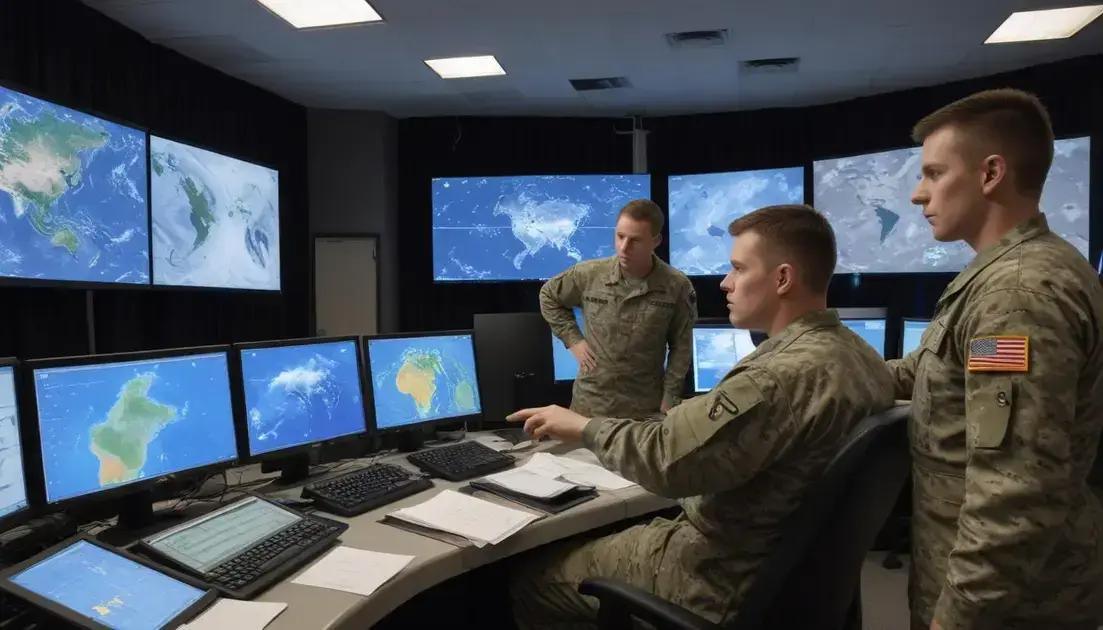
Climate and Surveillance: Military Use of Meteorology
Military meteorology combines weather science and military operations to enhance mission success. Utilizing advanced technologies such as satellites and artificial intelligence, militaries can gather accurate weather data for planning. Ethical concerns arise with weather manipulation, emphasizing the importance of transparency and accountability. Overall, understanding climate’s impact on strategies is vital for effective military preparedness and response in an ever-changing environment.
Military Meteorology plays a pivotal role in today’s warfare — but how exactly does weather influence military strategies? Let’s delve into this fascinating intersection.
1. Introduction to Military Meteorology
Military meteorology is all about how weather impacts military operations. Understanding weather can mean the difference between success and failure in the field. From planning missions to deciding when to launch operations, knowing the climate is key.
Weather forecasts help commanders make smart choices. For example, heavy rain or strong winds can delay air support or ground troop movements. So, having accurate information is crucial.
Modern technology has changed the way military meteorology works. Satellites provide real-time data about weather conditions. This data helps in tracking storms, analyzing temperatures, and even predicting changes in climate.
Moreover, the military doesn’t just use data; they also collect it. Ground stations and weather balloons add to the information pool. This combined approach creates a clearer picture of what to expect.
In today’s world, where conflicts can happen anywhere, quick access to weather data is vital. It allows for better planning, safer missions, and ultimately, the success of military objectives.
2. The Role of Satellites in Warfare
Satellites play a crucial role in modern warfare. They provide essential information about weather, terrain, and enemy movements. This data helps military leaders make informed decisions.
One of the main uses of satellites is to gather weather data. Knowing the weather can affect mission planning. For instance, storms can delay air strikes or ground operations. Satellites track storms and provide updates in real-time.
Besides weather, satellites help with reconnaissance. They capture high-resolution images of terrain and troop positions. This information is vital for planning effective strategies.
Communication satellites are also important. They enable instant communication between units. This connectivity ensures that all parts of the military can coordinate efforts efficiently.
The integration of satellite technology boosts operational success. Accurate information from space gives a significant edge over adversaries. Overall, satellites have transformed the way wars are fought today.
3. Climate’s Influence on Military Strategy
Climate plays a key role in shaping military strategy. Weather conditions influence decisions about where and when to deploy forces. Understanding the climate can give troops an advantage.
For instance, during the rainy season, moving troops through muddy terrain can be tough. This can delay operations and impact mission success. Military leaders must consider these factors while planning.
Extreme temperatures can also affect soldiers’ performance. If troops aren’t prepared for heat or cold, it can lead to injuries. So, training for climate conditions is important.
Additionally, climate affects equipment. Some technologies work better in specific weather conditions. For example, aerial drones might struggle in strong winds or heavy rain. Knowing the climate helps in choosing the right tools for the job.
Lastly, climate change has brought new challenges. Rising sea levels and harsher storms can create security risks. The military must adapt strategies to address these changing conditions. Overall, climate is a crucial factor in modern military planning.
4. Ethical Concerns in Weather Manipulation
Weather manipulation raises serious ethical concerns. As technology improves, some militaries consider altering weather patterns to gain an advantage. This practice can have unpredictable and dangerous results.
One concern is the impact on civilians. Changing the weather in one region can affect others. For example, making it rain in one area may cause droughts elsewhere. This imbalance can hurt communities and ecosystems.
Another issue is accountability. Who is responsible if weather manipulation causes harm? It’s challenging to pinpoint blame when nature itself is altered. This creates a gray area in international law.
Moreover, transparency is essential. People should know if their governments are manipulating the weather. Lack of transparency can lead to distrust and fear among citizens.
Finally, there’s the risk of escalation. If one country uses weather manipulation, others might follow. This can lead to a new arms race, but with weather as the weapon. The long-term effects on global stability could be harmful.
5. Future of Military Meteorology
The future of military meteorology looks promising and challenging. As technology advances, military forces can use better data for planning and operations. New tools will improve weather forecasting and analysis.
One major trend is the use of artificial intelligence. AI can analyze large amounts of weather data quickly. This means more accurate forecasts that help leaders make informed decisions.
Additionally, integrating satellite technology with ground-based systems will enhance climate monitoring. Real-time updates will provide crucial information during missions.
Another focus will be on climate change. The military must adapt strategies to deal with extreme weather events. Training programs will teach troops how to work in varying conditions.
Collaboration with scientists and meteorologists will grow. Sharing knowledge can lead to breakthroughs in weather prediction. It helps the military stay ahead of potential challenges.
In summary, military meteorology is evolving. Future advancements will make operations safer and more effective.
Conclusion
In conclusion, understanding the role of military meteorology is crucial for modern warfare. From utilizing satellites for weather data to considering climate change challenges, the military’s approach is evolving. The integration of technology, including artificial intelligence, will enhance forecasting accuracy and operational planning.
Moreover, addressing the ethical concerns related to weather manipulation is vital. Transparency and accountability should guide any future practices. As we look ahead, close collaboration with scientists will foster innovations that benefit military operations.
Overall, a strong grasp of meteorology can lead to safer missions and greater success in the field. Adapting strategies to changing weather patterns will be key for military forces to maintain an edge in any conflict.